
IRGC Reports Multiple Oil Tankers Hit by Naval Mines in Strait of Hormuz
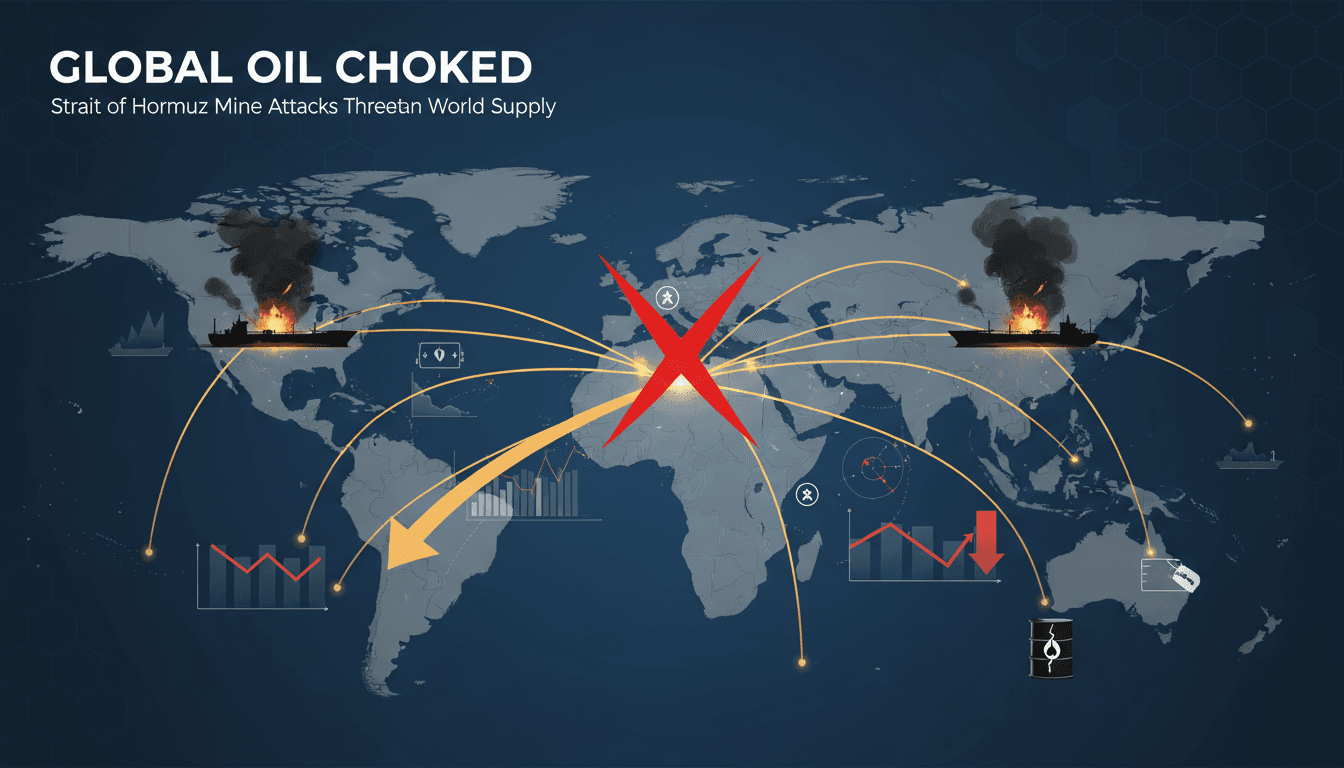
Why it matters
The Strait of Hormuz is a critical chokepoint for global oil transit, and disruptions here can lead to significant fluctuations in oil prices.
What happened (in 30 seconds)
- On October 12, 2026, the IRGC Navy reported a supertanker collided with a naval mine, causing an explosion.
- This incident marks the third reported mine strike on oil tankers since October 10, 2026, raising alarms about maritime safety.
- The IRGC issued warnings that vessels disabling navigation systems would be treated as hostile, escalating regional tensions.
The context you actually need
- The Strait of Hormuz is vital for global oil transport, with approximately 20% of the world's oil passing through it.
- Iran has enforced navigation rules along its coast, viewing unauthorized routes as provocations, which has led to previous incidents.
- U.S. and Iranian maritime disputes have historically heightened tensions, with the U.S. actively working to ensure safe passage for vessels.
What's really happening
The recent claims by the Islamic Revolutionary Guard Corps (IRGC) regarding naval mine strikes in the Strait of Hormuz are part of a broader narrative of escalating maritime tensions in the region. The IRGC's announcement of three incidents involving oil tankers since October 10, 2026, highlights a significant shift in Iran's approach to maritime security and navigation enforcement.
The IRGC has attributed these incidents to vessels allegedly disabling their navigation systems and taking unauthorized routes, particularly near Omani waters. This assertion reflects Iran's longstanding view of the Strait as a zone of its influence, where it seeks to enforce its own navigation rules. The warning that ships turning off tracking systems would be classified as hostile indicates a more aggressive posture, suggesting that Iran is willing to escalate its military response to perceived violations.
The implications of these incidents extend beyond immediate maritime safety concerns. Oil markets are particularly sensitive to disruptions in this region, as any threat to supply routes can lead to volatility in global oil prices. The IRGC's claims have already prompted reactions from oil markets, with traders closely monitoring the situation for signs of further escalation. The potential for increased military presence from the U.S. and its allies in response to these incidents could further complicate the situation, leading to a cycle of tension and retaliation.
Moreover, the IRGC's actions can be seen as a strategic maneuver to assert control over the Strait amid ongoing U.S.-Iran tensions. By demonstrating its capability to disrupt maritime traffic, Iran aims to reinforce its bargaining position in any future negotiations regarding sanctions or regional security. This dynamic creates a precarious environment for international shipping, where the risk of miscalculation or unintended escalation remains high.
In summary, the IRGC's claims of mine strikes are not isolated incidents but rather part of a larger strategy to assert control over a vital maritime corridor. The potential for increased tensions and disruptions in oil supply routes poses significant risks for global markets and regional stability.
Who feels it first (and how)
- Energy companies: Increased operational costs and supply chain disruptions.
- Shipping firms: Higher insurance premiums and potential rerouting of vessels.
- Consumers: Possible rise in fuel prices affecting transportation and goods.
- Investors: Volatility in oil markets impacting stock prices and investment strategies.
What to watch next
- Oil price fluctuations: Monitor how markets react to ongoing tensions and potential supply disruptions.
- U.S. military response: Watch for any increase in naval presence in the region, which could signal further escalation.
- Iran's maritime strategy: Keep an eye on Iran's enforcement of navigation rules and any new incidents that may arise.
The IRGC has reported three incidents involving oil tankers and naval mines.
Oil prices will experience volatility due to heightened tensions in the Strait of Hormuz.
The long-term impact on U.S.-Iran relations and maritime security in the region.
Frequently Asked Questions
- Why it matters?
- The Strait of Hormuz is a critical chokepoint for global oil transit, and disruptions here can lead to significant fluctuations in oil prices.
- What happened (in 30 seconds)?
- On October 12, 2026, the IRGC Navy reported a supertanker collided with a naval mine, causing an explosion. This incident marks the third reported mine strike on oil tankers since October 10, 2026, raising alarms about maritime safety. The IRGC issued warnings that vessels disabling navigation systems would be treated as hostile, escalating regional tensions.
- What's really happening?
- The recent claims by the Islamic Revolutionary Guard Corps (IRGC) regarding naval mine strikes in the Strait of Hormuz are part of a broader narrative of escalating maritime tensions in the region. The IRGC's announcement of three incidents involving oil tankers since October 10, 2026, highlights a significant shift in Iran's approach to maritime security and navigation enforcement. The IRGC has attributed these incidents to vessels allegedly disabling their navigation systems and taking unaut
- Who feels it first (and how)?
- Energy companies: Increased operational costs and supply chain disruptions. Shipping firms: Higher insurance premiums and potential rerouting of vessels. Consumers: Possible rise in fuel prices affecting transportation and goods. Investors: Volatility in oil markets impacting stock prices and investment strategies.
- What to watch next?
- Oil price fluctuations: Monitor how markets react to ongoing tensions and potential supply disruptions. U.S. military response: Watch for any increase in naval presence in the region, which could signal further escalation. Iran's maritime strategy: Keep an eye on Iran's enforcement of navigation rules and any new incidents that may arise.
Jordanian news and regional updates.
"Roya News is a Jordanian outlet focused on breaking news and local affairs."
— A47 Editor
الحرس الثوري يعلن اصطدام ناقلة نفط بلغم في هرمز ويحذر السفن المغلقة للملاحة
The Iranian Revolutionary Guard announced on Sunday that an oil tanker collided with a mine in the Strait of Hormuz, raising concerns about maritime safety in the region. This incident highlights the ongoing tensions and risks associated with navigat...
Arabic-language coverage of international news and geopolitics.
"RT Arabic is a Russian state-funded outlet often criticized for promoting Kremlin-aligned narratives."
— A47 Editor
انفجار جديد بناقلة نفط بعد اصطدامها بلغم بحري في مضيق هرمز
The Iranian Revolutionary Guard announced that another oil tanker, which was operating on a route not coordinated with Iranian authorities, collided with a naval mine, resulting in an explosion and fire on board.
Arabic-language coverage of international news and geopolitics.
"RT Arabic is a Russian state-funded outlet often criticized for promoting Kremlin-aligned narratives."
— A47 Editor
الحرس الثوري الإيراني يحذر السفن من تعطيل أنظمة الملاحة والتعريف في مضيق هرمز
The Iranian Revolutionary Guard Corps issued a warning on Sunday to vessels transiting the Strait of Hormuz, cautioning them against turning off their navigation and identification systems. The Corps stated that such actions would be interpreted as h...
Arabic-language coverage of international news and geopolitics.
"RT Arabic is a Russian state-funded outlet often criticized for promoting Kremlin-aligned narratives."
— A47 Editor
"إنها تحترق".. الحرس الثوري الإيراني يعلن اصطدام ناقلة نفط بلغم بحري
The Iranian Revolutionary Guard announced that a giant oil tanker carrying crude oil collided with a naval mine while attempting to leave the Strait of Hormuz via an unauthorized route. This incident raises concerns about maritime safety in a crucial...