
NATO Enhances Surveillance in Black Sea Following Surge in Drone Attacks on Shipping
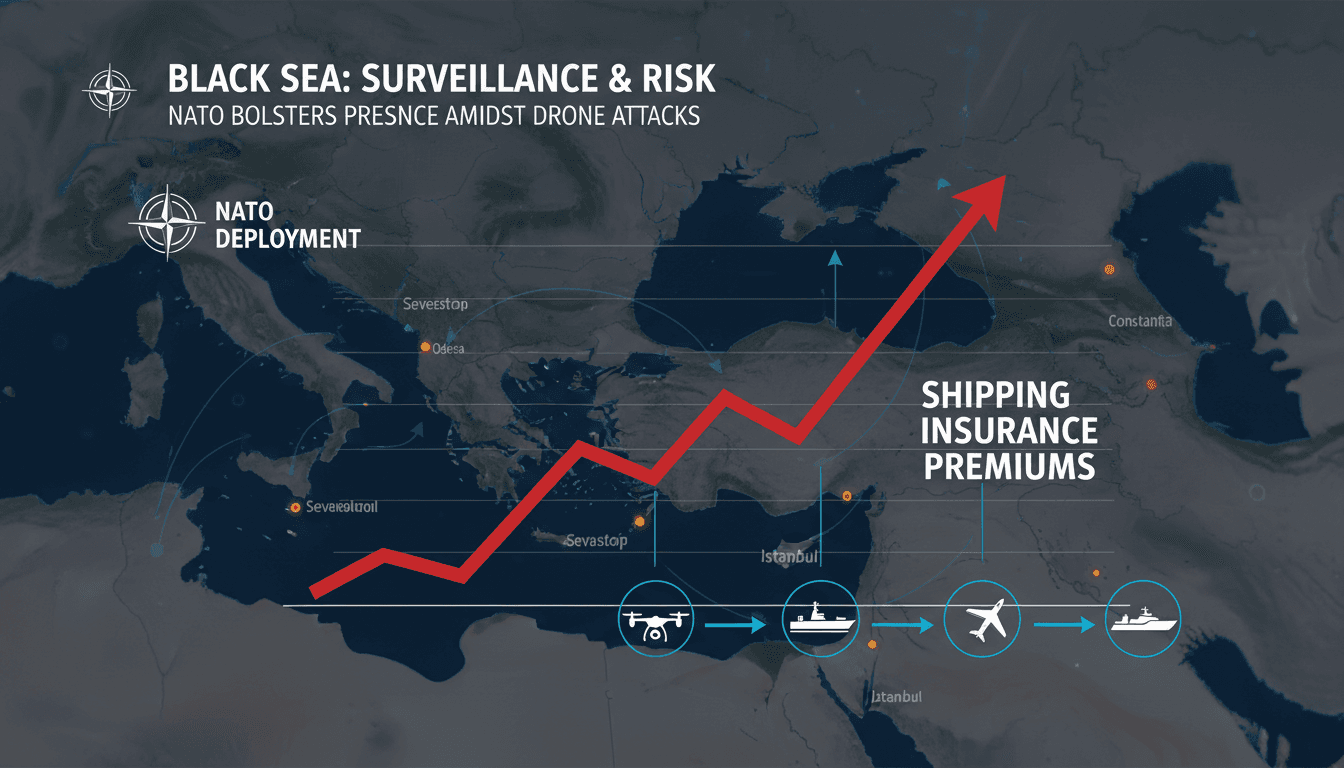
Why it matters
The escalation of drone attacks in the Black Sea threatens the stability of a critical maritime route, affecting global supply chains.
What happened (in 30 seconds)
- NATO announced the deployment of additional surveillance assets to the Black Sea on October 20, 2026, following a series of drone strikes on commercial vessels.
- At least 23 sailors are reported missing or dead from attacks on multiple ships, raising security concerns for NATO member states Romania and Bulgaria.
- Bulgaria has requested further military support, including combat aircraft and anti-drone systems, as insurance premiums for Black Sea routes surge.
The context you actually need
- Russia's ongoing war in Ukraine has led to increased risks for commercial shipping, particularly affecting grain exports rerouted through the Black Sea.
- Recent drone strikes have targeted vessels involved in Ukrainian grain exports, with NATO members now prioritizing enhanced surveillance and counter-drone capabilities.
- Insurance markets have classified the Black Sea as a high-risk area, leading to rising premiums that could affect international trade costs.
What's really happening
The recent surge in drone attacks on commercial shipping in the Black Sea is a direct consequence of the ongoing conflict between Russia and Ukraine. As Ukraine has rerouted its grain exports through Danube River ports due to repeated strikes on its Black Sea ports, the risk to commercial vessels has escalated significantly. Analysts attribute these drone strikes to Russian forces, although Moscow has not officially acknowledged involvement.
In response to the attacks, NATO convened a North Atlantic Council meeting where the decision was made to deploy additional maritime patrol aircraft, drones, radar systems, and forensic teams to the region. This move is part of a broader strategy to enhance surveillance and reconnaissance capabilities, as well as to bolster counter-drone operations. The attacks have already resulted in casualties among civilian crews, with reports indicating that at least five to seven vessels were struck in a short span, leading to the tragic loss of 23 or more sailors.
The implications of these developments extend beyond immediate military concerns. The Black Sea is a vital maritime route for global trade, particularly for energy and agricultural commodities. As NATO enhances its presence in the region, the heightened security measures may lead to increased shipping costs, particularly as insurance premiums for vessels operating in the area have already surged. This could have a cascading effect on global supply chains, impacting everything from food prices to energy costs.
Furthermore, Bulgaria's request for additional NATO support, including combat aircraft and anti-drone systems, underscores the urgency of the situation. The alliance's commitment to reinforcing its eastern flank posture indicates a long-term strategy to deter further aggression and ensure the safety of maritime operations in the Black Sea.
As NATO ramps up its military capabilities in response to these threats, the situation remains fluid, with potential ramifications for international trade and regional stability.
Who feels it first (and how)
- Shipping companies: Increased insurance premiums and operational risks could lead to higher costs.
- Exporters of grain and energy: Potential disruptions in supply chains may affect pricing and availability.
- Insurance providers: Rising premiums in high-risk areas could reshape market dynamics and profitability.
- Consumers: Increased costs in shipping may eventually lead to higher prices for goods.
What to watch next
- Insurance premium trends: Monitoring changes in shipping insurance costs will indicate the perceived risk in the Black Sea region.
- NATO's military deployments: The effectiveness of enhanced surveillance and counter-drone capabilities will be crucial in determining future security in the area.
- Shipping route adjustments: Watch for shifts in global shipping patterns as companies adapt to the heightened risks in the Black Sea.
NATO has deployed additional surveillance assets to the Black Sea.
Insurance costs for shipping in the Black Sea will continue to rise.
The long-term impact on global supply chains and trade dynamics remains uncertain.
Frequently Asked Questions
- Why it matters?
- The escalation of drone attacks in the Black Sea threatens the stability of a critical maritime route, affecting global supply chains.
- What happened (in 30 seconds)?
- NATO announced the deployment of additional surveillance assets to the Black Sea on October 20, 2026, following a series of drone strikes on commercial vessels. At least 23 sailors are reported missing or dead from attacks on multiple ships, raising security concerns for NATO member states Romania and Bulgaria. Bulgaria has requested further military support, including combat aircraft and anti-drone systems, as insurance premiums for Black Sea routes surge.
- What's really happening?
- The recent surge in drone attacks on commercial shipping in the Black Sea is a direct consequence of the ongoing conflict between Russia and Ukraine. As Ukraine has rerouted its grain exports through Danube River ports due to repeated strikes on its Black Sea ports, the risk to commercial vessels has escalated significantly. Analysts attribute these drone strikes to Russian forces, although Moscow has not officially acknowledged involvement. In response to the attacks, NATO convened a North At
- Who feels it first (and how)?
- Shipping companies: Increased insurance premiums and operational risks could lead to higher costs. Exporters of grain and energy: Potential disruptions in supply chains may affect pricing and availability. Insurance providers: Rising premiums in high-risk areas could reshape market dynamics and profitability. Consumers: Increased costs in shipping may eventually lead to higher prices for goods.
- What to watch next?
- Insurance premium trends: Monitoring changes in shipping insurance costs will indicate the perceived risk in the Black Sea region. NATO's military deployments: The effectiveness of enhanced surveillance and counter-drone capabilities will be crucial in determining future security in the area. Shipping route adjustments: Watch for shifts in global shipping patterns as companies adapt to the heightened risks in the Black Sea.
Conservative-leaning political and national coverage.
"The Washington Times is a conservative-leaning newspaper known for its political coverage and advocacy of right-of-center viewpoints."
— A47 Editor
NATO sending more planes, drones to Black Sea amid surge in commercial ship attacks
NATO is deploying additional military assets, including planes and drones, to the Black Sea in response to a significant rise in attacks on commercial vessels navigating this crucial maritime route. This escalation follows recent drone strikes that t...
Global news coverage with extensive reporting on Middle Eastern conflicts and geopolitics.
"Al Jazeera is a Qatar-based broadcaster known for wide regional coverage and alternative perspectives."
— A47 Editor
NATO to send additional patrol planes to Black Sea after drone attacks
NATO has announced the deployment of additional patrol planes to the Black Sea following a series of drone attacks that have resulted in significant maritime incidents, including the disappearance of seven individuals off Romania's coast. This escala...
Comprehensive coverage of Middle Eastern and global issues.
"Al Jazeera is a prominent voice from the Global South, especially the Middle East, with an emphasis on underreported stories."
— A47 Editor
NATO to send additional patrol planes to Black Sea after drone attacks
NATO has announced the deployment of additional patrol planes to the Black Sea following a series of drone attacks that have resulted in significant maritime incidents, including the disappearance of seven individuals off Romania's coast. This escala...
International coverage from The Guardian's global desks.
"The Guardian is known for its progressive editorial stance and in-depth analysis."
— A47 Editor
Nato increases Black Sea deployment amid escalating deadly Russian attacks
NATO has increased its military presence in the Black Sea following a series of deadly Russian attacks on merchant vessels, including strikes on five ships on Tuesday. This escalation comes as Russia targets cargo vessels in Ukrainian ports, raising ...