
US Signals Diplomatic Progress in Indirect Iran Talks as Oil Prices Fall Over Strait of Hormuz Reopening Offer
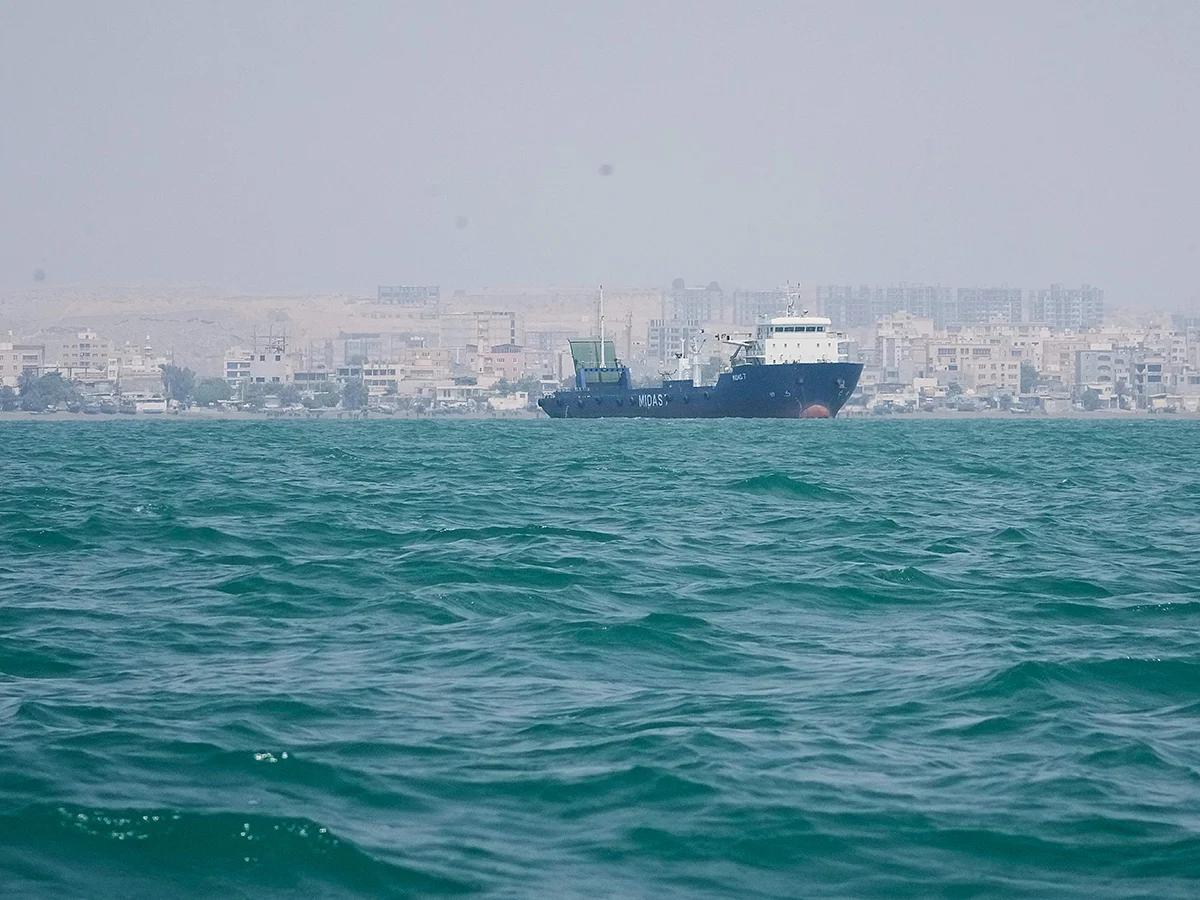
Why it matters
The potential reopening of the Strait of Hormuz directly recalibrates global energy pricing, maritime insurance premiums, and trade liquidity across Middle Eastern supply routes.
What happened (in 30 seconds)
- Diplomatic movement surfaced: On November 3, 2026, US President Donald Trump signaled that a negotiated settlement with Iran is plausible, while Vice President JD Vance confirmed measurable progress in ongoing indirect talks.
- Tehran outlined specific terms: Iranian Foreign Minister Abbas Araghchi and regional officials offered to reopen the Strait of Hormuz within two days, provided Washington meets conditions regarding sanctions relief, asset unfreezing, and a drawdown of regional military presence.
- Energy benchmarks dropped instantly: Global crude oil prices fell by more than 8 percent on November 3, 2026, following mediated diplomacy facilitated through Qatari and Pakistani channels.
The context you actually need
- An eight-month maritime disruption: The current standoff centers on an eight-month confrontation involving Iran's maritime blockade of the Strait of Hormuz countered by US naval containment measures.
- Previous frameworks stalled: Earlier efforts—including a June 2026 memorandum of understanding and a September proposal outlining a temporary seven-day reopening—failed to resolve underlying financial and military frictions.
- Electoral and regional convergence: The breakthrough signals emerged twenty-four hours before US midterm elections, supported by continuous diplomatic engagement from intermediaries in Doha and Islamabad alongside calls for restraint from Beijing and Muscat.
What's really happening
Strip away the geopolitical rhetoric, and the sudden momentum toward a settlement reveals a classic alignment of practical incentives. Both Washington and Tehran are navigating operational constraints that make an open-ended maritime conflict counterproductive.
For the United States, managing an active naval counter-blockade inside the Persian Gulf requires substantial capital allocation and military readiness. With domestic midterms arriving on November 4, 2026, high domestic energy prices present an immediate friction point for leadership. A sudden 8 percent reduction in crude pricing offers immediate macroeconomic stabilization.
For Iran, the leverage gained by choking off energy flows through the Strait of Hormuz comes with severe domestic economic trade-offs. Sustaining an eight-month blockade isolates domestic commerce and keeps billions of dollars in foreign assets frozen in overseas accounts. Tehran’s diplomatic counter-offer—reopening transit within forty-eight hours—is tied directly to asset liquidity, targeted sanctions relief, and a verified reduction of US military presence in regional waters. Rather than indicating ideological concessions, Tehran's position reflects a transaction: exchanging maritime chokehold leverage for tangible capital access and reduced foreign military pressure.
Regional intermediaries are structuring the negotiation around pragmatic trade-offs. Qatar and Pakistan have functioned as transmission lines for indirect talks, insulating both primary capitals from direct political exposure while drafting actionable terms. The presence of global actors like China—the primary consumer of Gulf crude flows—creates additional pressure for a swift resolution. Beijing’s calls for stability reinforce the reality that commercial energy importers cannot absorb sustained logistics inflation.
The underlying structural challenge lies in enforcement sequencing. An eight-month blockade damages maritime risk frameworks, alters international shipping lanes, and prompts shipping lines to re-evaluate their Gulf exposure. Resolving the crisis requires verifiable timelines: Washington wants immediate vessel access through the Strait, while Tehran requires authenticated proof of unfrozen funds and sanctions adjustments. The diplomatic activity underway is not an emotional detente; it is a calculated negotiation over logistics corridors, asset releases, and maritime risk calculations.
Who feels it first (and how)
- Regional fleet and logistics managers: Commercial shipping operators in the Persian Gulf face immediate reassessments of war-risk insurance premiums and transit route scheduling.
- Energy trading desks: Global commodities analysts experience immediate portfolio rebalancing after oil benchmarks dropped by more than 8 percent in a single trading session.
- Dubai commercial operators: Importers and retailers throughout the UAE's import-reliant ecosystem gain short-term relief from freight volatility and fuel-driven input costs.
- Corporate treasury departments: Finance teams exposed to Middle Eastern supply chains can ease contingency cash buffers previously reserved for sustained maritime delays.
What to watch next
- Verification of vessel passages: Watch for initial commercial maritime tracking data through the Strait of Hormuz over the next 48 to 72 hours; actual tanker movements will verify whether Tehran executes its two-day reopening timeline.
- Financial asset transfers: Monitor official releases regarding unblocked overseas Iranian capital or targeted sanctions waivers, which serve as the verified counterweight to maritime de-escalation.
- US military posture updates: Track Defense Department announcements concerning naval deployments in regional waters, validating whether Washington accepts reciprocal presence adjustments.
US leadership has publicly affirmed progress toward a negotiated deal; Iran has offered a two-day reopening conditioned on sanctions relief, asset unfreezing, and US force drawdowns; crude oil prices fell by more than 8 percent on November 3, 2026.
Mediators in Qatar and Pakistan will advance phased implementation stages where limited commercial traffic resumes alongside pilot releases of frozen funds.
Whether domestic political dynamics following the US midterm elections will sustain consensus on formal sanctions adjustments, and whether the agreement provides long-term maritime stability beyond immediate short-term relief.
Frequently Asked Questions
- Why it matters?
- The potential reopening of the Strait of Hormuz directly recalibrates global energy pricing, maritime insurance premiums, and trade liquidity across Middle Eastern supply routes.
- What happened (in 30 seconds)?
- Diplomatic movement surfaced: On November 3, 2026, US President Donald Trump signaled that a negotiated settlement with Iran is plausible, while Vice President JD Vance confirmed measurable progress in ongoing indirect talks. Tehran outlined specific terms: Iranian Foreign Minister Abbas Araghchi and regional officials offered to reopen the Strait of Hormuz within two days, provided Washington meets conditions regarding sanctions relief, asset unfreezing, and a drawdown of regional military pres
- What's really happening?
- Strip away the geopolitical rhetoric, and the sudden momentum toward a settlement reveals a classic alignment of practical incentives. Both Washington and Tehran are navigating operational constraints that make an open-ended maritime conflict counterproductive. For the United States, managing an active naval counter-blockade inside the Persian Gulf requires substantial capital allocation and military readiness. With domestic midterms arriving on November 4, 2026, high domestic energy prices pr
- Who feels it first (and how)?
- Regional fleet and logistics managers: Commercial shipping operators in the Persian Gulf face immediate reassessments of war-risk insurance premiums and transit route scheduling. Energy trading desks: Global commodities analysts experience immediate portfolio rebalancing after oil benchmarks dropped by more than 8 percent in a single trading session. Dubai commercial operators: Importers and retailers throughout the UAE's import-reliant ecosystem gain short-term relief from freight volatility an
- What to watch next?
- Verification of vessel passages: Watch for initial commercial maritime tracking data through the Strait of Hormuz over the next 48 to 72 hours; actual tanker movements will verify whether Tehran executes its two-day reopening timeline. Financial asset transfers: Monitor official releases regarding unblocked overseas Iranian capital or targeted sanctions waivers, which serve as the verified counterweight to maritime de-escalation. US military posture updates: Track Defense Department announcement
A curated Gulf News feed featuring major stories across news, business, opinion, and lifestyle.
"Gulf News is a major UAE newspaper whose featured stories feed reflects a broad editorial mix shaped for a Gulf audience."
— A47 Editor
'Negotiated settlement': US signals 'progress' in talks with Iran to avert renewed war
The United States has signaled "progress" in indirect talks with Iran aimed at averting a renewed war, as Tehran outlines a two-day plan to reopen the Strait of Hormuz, a key waterway that has become a focal point of the escalating confrontation betw...
UAE-based newspaper covering Gulf politics, society, and international developments.
"Gulf News is one of the UAE’s most prominent English-language publications."
— A47 Editor
'Negotiated settlement': US signals 'progress' in talks with Iran to avert renewed war
The United States has signaled "progress" in indirect talks with Iran aimed at averting a renewed war, as Tehran outlines a two-day plan to reopen the Strait of Hormuz, a key waterway that has become a focal point of the escalating confrontation betw...
24/7 international news from a French perspective in multiple languages.
"France 24 is viewed as a globally focused outlet with balanced coverage and a European perspective."
— A47 Editor
Iran offers deal on Hormuz Strait, Netanyahu wants to 'finish the job'
Iran said Monday it had a two-day plan to reopen the Strait of Hormuz and resume nuclear talks with the United States, shortening a process originally expected to take seven days, while Israeli Prime Minister Benjamin Netanyahu said he wanted to "fin...
European coverage of Middle East politics and security issues.
"France 24 offers international reporting with a European editorial perspective."
— A47 Editor
Iran offers deal on Hormuz Strait, Netanyahu wants to 'finish the job'
Iran said Monday it had a two-day plan to reopen the Strait of Hormuz and resume nuclear talks with the United States, shortening a process originally expected to take seven days, while Israeli Prime Minister Benjamin Netanyahu said he wanted to "fin...
Regional coverage and analysis focused on politics, diplomacy, and business across the Middle East.
"Al-Monitor is known for analytical reporting on Middle East politics and policy developments."
— A47 Editor
Iran gives 2-day window for Hormuz deal as US mulls strikes: What to know
Iran said on Monday that a revised two-day plan to reopen the Strait of Hormuz could take effect if Washington meets Tehran's conditions, as the United States weighs possible strikes amid a stalled confrontation over the waterway and ongoing indirect...
Global business headlines with AI angles.
"General business outlet that frequently covers AI."
— A47 Editor
Iran Can Reportedly Reopen the Hormuz Strait in Two Days if U.S. Talks Progress
Tehran has reiterated seven conditions for reopening the Strait of Hormuz, and reports indicate Iran could reopen the strategic waterway within two days if talks with the United States progress.
Conservative-leaning political and national coverage.
"The Washington Times is a conservative-leaning newspaper known for its political coverage and advocacy of right-of-center viewpoints."
— A47 Editor
Iran has a 2-day plan to reopen Strait, resume nuclear talks with U.S., and other Mideast news
Iran said Monday it had a two-day plan to reopen the Strait of Hormuz and resume nuclear talks with the United States, a process originally expected to take seven days, according to The Washington Times.