
US-Iran Mediated Talks Stall in Doha as Hormuz Reopening and Sanctions Demands Remain Unresolved
Why it matters
The suspension of indirect talks between Washington and Tehran leaves the Strait of Hormuz closed, directly exposing global freight corridors and hydrocarbon pricing to immediate post-election policy decisions.
What happened (in 30 seconds)
- Three days of indirect negotiations in Doha halted without a breakthrough on November 1–3, 2026, as Qatari mediators, backed by Pakistan and Turkey, failed to bridge gaps over sanctions relief, frozen funds, and the closure of the Strait of Hormuz.
- Diverging timelines scuttled an initial framework, with Iran rejecting a proposed seven-day confidence-building runway as insufficient, while presenting a counter-demand to accelerate implementation to two days provided port blockades lift and assets clear.
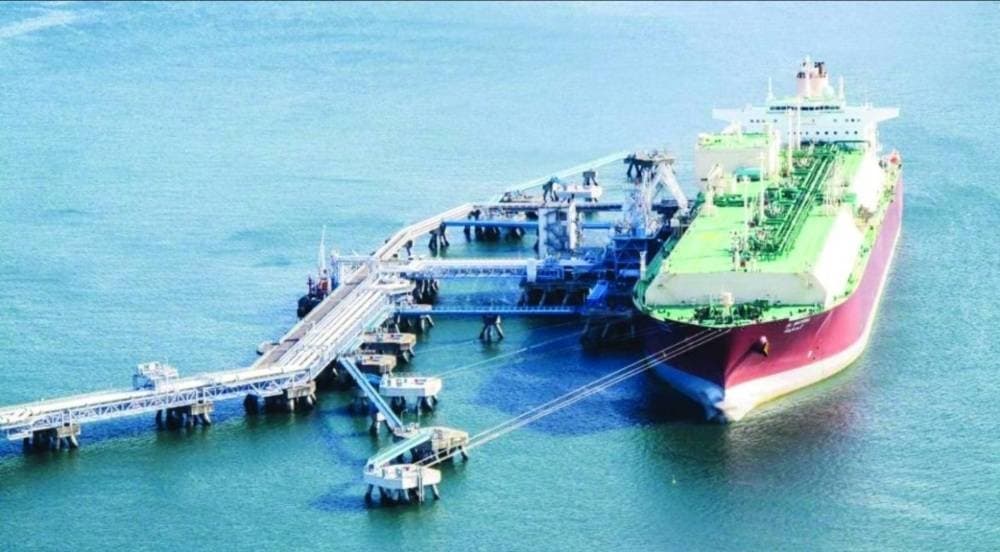
- A regional security incident underscored operational fragility after a Qatari liquefied natural gas tanker experienced a maritime disruption in the Gulf, reinforcing persistent navigation risks even as Brent crude fell nearly 4% on tentative diplomatic headlines.
The context you actually need
- An eight-month kinetic cycle set the baseline, starting in February 2026 with US and Israeli strikes against Iranian infrastructure, which prompted Tehran to seal the Strait of Hormuz and dislocate international maritime trade.
- Prior diplomatic baselines repeatedly disintegrated, including a June 2026 memorandum of understanding aimed at bilateral de-escalation and structured nuclear reviews that collapsed before reaching verification phases.
- A dual-track pressure model drives Washington's timing, as President Donald Trump, Secretary of State Marco Rubio, and Vice President JD Vance pursue parallel tracks of active mediation alongside post-November 3 midterm military strike options.
What's really happening
The diplomatic breakdown in Doha is an incentive mismatch defined by opposing political clocks and leverage calculations.
Washington's strategy centers on containment without permanent concessions before the November 3 midterm elections. By delegating shuttle talks to Qatari channels while circulating formal correspondence from Vice President JD Vance, the administration attempts to preserve oil market stability and test diplomatic off-ramps without committing to broad sanctions relief. However, holding tactical strike options in reserve signaling readiness post-November 3 establishes a firm threshold: diplomacy is being deployed as a time-buying mechanism rather than a structural reset.
Tehran’s calculus operates in reverse. Having shuttered the Strait of Hormuz eight months ago following early 2026 strikes, Iranian decision-makers, including Foreign Minister Abbas Araghchi and Supreme National Security Council Secretary Mohsen Rezaei, view the maritime choke point as their single functional lever against economic isolation. Accepting a seven-day preliminary cooling period without immediate economic compensation risks giving away navigation leverage for procedural goodwill. Consequently, Tehran’s counter-proposal demands binding actions: simultaneous release of frozen offshore capital, removal of port blockades, and formalized passage terms, executed inside a compressed 48-hour window.
This dynamic leaves market pricing divorced from physical risk. When oil dropped nearly 4% on November 2 on headlines of ongoing communications, algorithmic and institutional flows priced in de-escalation optimism. Yet physical operators face the opposite reality: the transit corridor remains shut, and commercial vessels—highlighted by the incident involving a Qatari LNG carrier—remain exposed to tactical disruptions.
With regional partners such as Turkey and Pakistan observing the perimeter of the talks, the impasse highlights a structural stalemate. Iran refuses to concede maritime access in exchange for incremental talks, while the US administration avoids long-term economic exemptions before domestic electoral outcomes clear. The outcome is an unresolved perimeter where physical commerce pays a premium for geopolitical optionality.
Who feels it first (and how)
- Supply chain heads in import-heavy hubs like Dubai: Absorption of higher spot freight rates, extended delivery windows, and inventory buffering for consumer products reliant on Persian Gulf maritime corridors.
- Marine insurance underwriters and commercial shipping operators: War-risk surcharges remain fixed at elevated bands, directly increasing operating expenses for tankers entering the Gulf.
- Energy procurement executives: Heightened exposure to violent spot-price reversals, as temporary market declines—such as the nearly 4% drop on November 2—risk swift corrections if post-election strike options activate.
- Cross-border trade intermediaries: Working capital strain tied to extended transit timelines and uncertainty surrounding the legal mechanisms for unfrozen financial transfers.
What to watch next
- The November 3 post-election policy pivot: Whether the White House shifts from calibrated diplomatic signaling to overt military posture or formalizes a structured negotiations channel.
- Official Iranian response to the Vance communication: Abbas Araghchi and Mohsen Rezaei's formal appraisal will indicate whether Tehran's 48-hour de-escalation counter-offer remains viable.
- Naval incident reporting inside the Strait: Any follow-on disruptions matching the Qatari LNG tanker event will immediately recalibrate marine risk pricing regardless of diplomatic statements.
Three days of Qatari-mediated indirect talks in Doha concluded without an agreement; the Strait of Hormuz remains restricted; US military strike options remain active past November 3; oil dropped nearly 4% on initial talks.
Both administrations will preserve communication lines through Doha, Ankara, and Islamabad to avert uncontrolled maritime escalation prior to the expiration of the immediate electoral window.
Whether Tehran will accept phased financial releases in exchange for partial maritime access, or if Washington will pull mediation channels entirely if transit corridors remain blocked.
Frequently Asked Questions
- Why it matters?
- The suspension of indirect talks between Washington and Tehran leaves the Strait of Hormuz closed, directly exposing global freight corridors and hydrocarbon pricing to immediate post-election policy decisions.
- What happened (in 30 seconds)?
- Three days of indirect negotiations in Doha halted without a breakthrough on November 1–3, 2026, as Qatari mediators, backed by Pakistan and Turkey, failed to bridge gaps over sanctions relief, frozen funds, and the closure of the Strait of Hormuz. Diverging timelines scuttled an initial framework, with Iran rejecting a proposed seven-day confidence-building runway as insufficient, while presenting a counter-demand to accelerate implementation to two days provided port blockades lift and assets
- What's really happening?
- The diplomatic breakdown in Doha is an incentive mismatch defined by opposing political clocks and leverage calculations. Washington's strategy centers on containment without permanent concessions before the November 3 midterm elections. By delegating shuttle talks to Qatari channels while circulating formal correspondence from Vice President JD Vance, the administration attempts to preserve oil market stability and test diplomatic off-ramps without committing to broad sanctions relief. Howeve
- Who feels it first (and how)?
- Supply chain heads in import-heavy hubs like Dubai: Absorption of higher spot freight rates, extended delivery windows, and inventory buffering for consumer products reliant on Persian Gulf maritime corridors. Marine insurance underwriters and commercial shipping operators: War-risk surcharges remain fixed at elevated bands, directly increasing operating expenses for tankers entering the Gulf. Energy procurement executives: Heightened exposure to violent spot-price reversals, as temporary market
- What to watch next?
- The November 3 post-election policy pivot: Whether the White House shifts from calibrated diplomatic signaling to overt military posture or formalizes a structured negotiations channel. Official Iranian response to the Vance communication: Abbas Araghchi and Mohsen Rezaei's formal appraisal will indicate whether Tehran's 48-hour de-escalation counter-offer remains viable. Naval incident reporting inside the Strait: Any follow-on disruptions matching the Qatari LNG tanker event will immediately r
Arabic-language coverage of Saudi, regional, and international affairs.
"Al Bilad offers mainstream Saudi newspaper coverage across domestic and broader Arab topics."
— A47 Editor
طهران تطرح اتفاقاً خلال يومين.. ترمب يلوح بضربة ساحقة لإيران
Tehran is reported to have proposed an arrangement within two days, while U.S. President Donald Trump has signaled a crushing strike against Iran as the confrontation between Washington and Tehran oscillates between military escalation threats and di...
Arabic-language political and world news coverage for UAE readers.
"Emarat Al Youm world coverage usually presents international developments through a UAE and Arab audience lens."
— A47 Editor
ترامب يفرمل طبول الحرب مع إيران: "لست في عجلة لقصفهم" ترامب يفرمل طبول الحرب مع إيران: "لست في عجلة لقصفهم"
U.S. President Donald Trump said he is "not in a hurry" to decide on resuming military operations and bombing Iran again, easing speculation of an imminent escalation. The statement, reported by Emarat Al Youm on November 2, 2026, involves the United...
Arabic-language coverage of political affairs and current events.
"Okaz political coverage typically follows mainstream Saudi framing on national and regional affairs."
— A47 Editor
ترمب يلوح بالحسم العسكري.. وطهران تتمسك بشروط هرمز
Donald Trump signaled a possible military resolution with Iran while stating that Washington does not necessarily require a change of Iran's regime to prevent it from acquiring nuclear weapons. He said the U.S. has not yet delivered a decisive blow b...
Arabic-language coverage of Saudi, regional, and international affairs.
"Al Bilad offers mainstream Saudi newspaper coverage across domestic and broader Arab topics."
— A47 Editor
ترمب: دمرنا جزءاً كبيراً من القدرات العسكرية لإيران.. واشنطن لا تستبعد ضربات جديدة.. وطهران تلوح بتوسيع نطاق ردها
Former U.S. President Donald Trump stated that the United States has destroyed a large part of Iran's military capabilities, as tensions between Washington and Tehran escalate amid mutual military threats. Reports indicate Washington does not rule ou...
Coverage of political affairs and regional developments from a Saudi perspective.
"Al Watan political coverage typically follows a mainstream Saudi framing of regional and national issues."
— A47 Editor
أمريكا وإيران.. وساطة معلقة وضربة منتظرة
Negotiations between Iranian officials and Qatari mediators over the US-Iran crisis have continued for a third day, with contacts coordinated with Washington, as Doha seeks an agreement while threats of a return to strikes persist. Qatar proposed dai...