
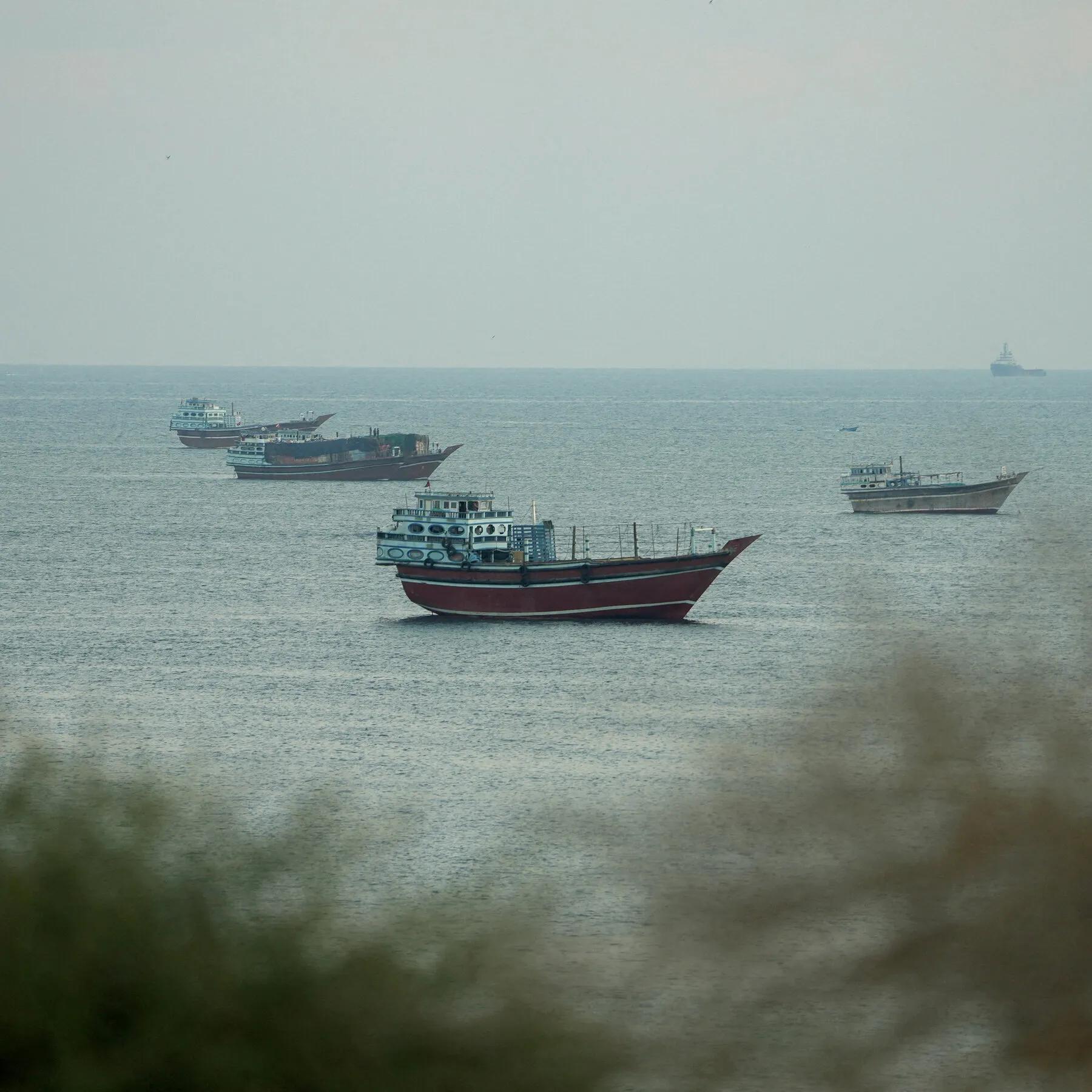
IRGC Escalates Maritime Attacks on Commercial Tankers in Strait of Hormuz as Iran War Disrupts Global Oil Routes
Why it matters
The convergence of daily commercial vessel strikes and contested transit lanes through the Strait of Hormuz creates operational bottlenecks across primary global energy corridors.
What happened (in 30 seconds)
- Record operational tempo: Commercial maritime traffic in the Strait of Hormuz faced daily interdictions throughout November 2026, building on approximately 35 incidents documented by the UK Maritime Trade Operations (UKMTO) in October.
- Direct commercial impact: Naval mines, projectile strikes, and onboard fires hit multiple commercial assets, including an LPG carrier and an ADNOC vessel, leaving seafarers injured and unaccounted for.
- Contested transit corridors: The International Maritime Organization (IMO) confirmed 138 incidents and 25 maritime fatalities across the Persian Gulf, Hormuz, and the Gulf of Oman since the regional conflict began.
The context you actually need
- Preceding military exchanges: The maritime disruptions operate within a broader regional conflict initiated earlier in 2026, marked by strikes on Iran's Keshum Island and subsequent defensive and offensive aerial responses.
- Navigational blackouts: Commercial vessels routinely turn off their Automatic Identification Systems (AIS) to avoid detection, altering standard route planning and complicating international tracking.
- Regulatory friction: Iranian forces assert regulatory jurisdiction over maritime routes by citing navigation infractions, while international monitors cite deliberate interdictions against merchant shipping.
What's really happening
The concentration of maritime incidents inside the Strait of Hormuz reflects an incentive-driven enforcement strategy designed to contest sea lanes without initiating full naval engagements. Iran’s Islamic Revolutionary Guard Corps (IRGC) Navy and standard naval units deploy naval mines, targeted projectiles, and coordinated operations against oil tankers and LPG carriers under the framework of maritime transit enforcement. By attributing ship damage to regulatory non-compliance, regional forces challenge the legal norms governing international waters while maintaining tactical leverage over commercial logistics corridors.
The economic fallout travels through established supply chain mechanics. Energy markets initially absorbed the baseline friction due to stable output across Middle Eastern producers. However, the sustained pace—holding at roughly one incident per day in November with at least 14 confirmed in the strait itself—alters the baseline cost structure for merchant transport. Operating tankers without active AIS transponders increases spatial navigation risks, compounding collision hazards in high-density choke points. These operational constraints drive maritime insurance underwriters to adjust war-risk ratings, directly raising the cost per voyage for energy operators transiting between the Gulf of Oman and primary loading terminals.
Concurrently, regional security dynamics have shifted toward unilateral risk-management protocols. Protective transits facilitated by U.S. forces remain operational, yet merchant fleets continue to incur direct structural hits. Between November 16 and November 18, strikes inflicted severe physical damage, forcing vessel abandonments and leaving multiple crew members injured or missing. Neighboring states, including Bahrain and Kuwait, have documented defensive weapon interceptions to prevent inland spillovers, highlighting how kinetic naval harassment exerts systemic friction on regional commerce.
This environment fragments standard freight movements. When state-backed energy carriers—including UAE-linked logistics assets—experience physical attacks in transit, charterers face compounded counterparty and physical risks. The sustained enforcement tempo transforms temporary transit volatility into a durable operating discount for regional shipping hubs, testing corporate logistics tolerances.
Who feels it first (and how)
- Merchant mariners and crewing agencies: Commercial crews face physical hazards, casualties, and medical emergencies resulting from fires, projectile impacts, and mine detonations.
- Energy logistics and marine underwriters: Fleet managers and maritime insurers must absorb heightened risk profiles, higher premiums, and the logistical challenges of running dark without AIS transponders.
- UAE and Gulf energy operators: Regional producers—such as Abu Dhabi-linked energy entities—contend with route vulnerability, vessel damage, and potential export delays across primary maritime corridors.
- Global procurement and supply directors: Corporate planners experience localized freight surcharges and downstream delivery volatility across petroleum-dependent manufacturing chains.
What to watch next
- AIS blackout compliance trends: Monitoring whether commercial fleets increase or abandon transponder-off transits indicates whether corporate operators prioritize operational stealth over maritime collision risks.
- Underwriting premium recalibrations: Tracking updates to war-risk insurance zones will determine if freight rates shift high enough to alter global oil delivery economics.
- Protective transit restructuring: Observing any shifts in the scale or coordination of U.S.-facilitated naval corridors will signal changes in the collective security posture governing the strait.
At least 138 commercial vessel incidents and 25 maritime fatalities have been verified across the regional corridor by the IMO, with November attacks averaging roughly one daily.
Energy transport entities will continue routing assets through the Strait of Hormuz under protective escorts, absorbing higher operational and insurance costs rather than idling capacity.
Whether persistent attacks will eventually overwhelm current buffer supplies and force broader energy market price spikes remains undetermined.
Frequently Asked Questions
- Why it matters?
- The convergence of daily commercial vessel strikes and contested transit lanes through the Strait of Hormuz creates operational bottlenecks across primary global energy corridors.
- What happened (in 30 seconds)?
- Record operational tempo: Commercial maritime traffic in the Strait of Hormuz faced daily interdictions throughout November 2026, building on approximately 35 incidents documented by the UK Maritime Trade Operations (UKMTO) in October. Direct commercial impact: Naval mines, projectile strikes, and onboard fires hit multiple commercial assets, including an LPG carrier and an ADNOC vessel, leaving seafarers injured and unaccounted for. Contested transit corridors: The International Maritime Organi
- What's really happening?
- The concentration of maritime incidents inside the Strait of Hormuz reflects an incentive-driven enforcement strategy designed to contest sea lanes without initiating full naval engagements. Iran’s Islamic Revolutionary Guard Corps (IRGC) Navy and standard naval units deploy naval mines, targeted projectiles, and coordinated operations against oil tankers and LPG carriers under the framework of maritime transit enforcement. By attributing ship damage to regulatory non-compliance, regional forces
- Who feels it first (and how)?
- Merchant mariners and crewing agencies: Commercial crews face physical hazards, casualties, and medical emergencies resulting from fires, projectile impacts, and mine detonations. Energy logistics and marine underwriters: Fleet managers and maritime insurers must absorb heightened risk profiles, higher premiums, and the logistical challenges of running dark without AIS transponders. UAE and Gulf energy operators: Regional producers—such as Abu Dhabi-linked energy entities—contend with route vuln
- What to watch next?
- AIS blackout compliance trends: Monitoring whether commercial fleets increase or abandon transponder-off transits indicates whether corporate operators prioritize operational stealth over maritime collision risks. Underwriting premium recalibrations: Tracking updates to war-risk insurance zones will determine if freight rates shift high enough to alter global oil delivery economics. Protective transit restructuring: Observing any shifts in the scale or coordination of U.S.-facilitated naval corr
Breaking news, politics, business, and entertainment from the U.S. and around the world.
"The New York Post is a tabloid-format newspaper known for its sensationalist headlines and conservative-leaning editorial tone."
— A47 Editor
Iranians are escalating attacks on Strait of Hormuz because they believe they can force Trump into a deal: experts
Iran is reportedly escalating attacks in the Middle East, including around the Strait of Hormuz, in an effort to reclaim control over the waterway and push the United States toward a conclusive end to the conflict, according to experts cited by the N...
Markets, economy, and company analysis from NYT’s business desk.
"The New York Times is a globally recognized newspaper offering authoritative reporting with a center-left editorial stance."
— A47 Editor
Iran Keeps Up Unrelenting Attacks on Ships in the Strait of Hormuz
The New York Times reports that Iran has continued its attacks on ships in the Strait of Hormuz, with a recent strike on a vessel that had already been disabled suggesting a dangerous new phase for tankers in the Persian Gulf and surrounding waters. ...
International stories from NPR’s global desk.
"NPR is an American public media organization known for thoughtful reporting and a slightly left-leaning editorial tone."
— A47 Editor
Iran's attacks on ships in the Strait of Hormuz escalate
Iran has escalated its offensive in the Strait of Hormuz, attacking ships in the critical oil shipping lane and carrying out strikes against several countries around the Persian Gulf, according to the base report. Reports in the related coverage desc...