
Iran Rial Hits Record Low as Officials Warn US Naval Blockade Is Intolerable
Why it matters
The convergence of direct naval interdiction and coordinated financial sanctions tests whether physical and capital encirclement can compel structural policy shifts without triggering a direct kinetic confrontation in the Strait of Hormuz.
What happened (in 30 seconds)
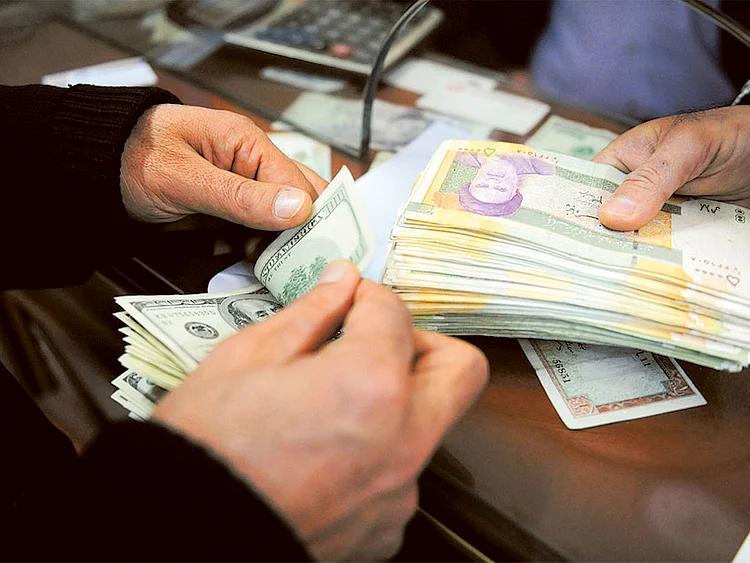
- Currency depreciation reached an open-market peak: The Iranian rial touched 2,802,000 per US dollar on November 24, 2026, dropping from 2,642,000 on November 12 following targeted sanctions on 22 entities and eight individuals.
- Tehran declared maritime interdiction intolerable: Foreign Ministry spokesperson Esmaeil Baghaei and key parliamentary leaders warned that prolonged port blockades infringe on self-defense rights and could force a shift back to wartime posture.
- US posture maintained continuous operational presence: US Central Command retained aircraft carrier strike operations across regional waters while Treasury Secretary Scott Bessent characterized market stress in Tehran as an indicator of administrative leverage.
The context you actually need
- The blockade originated earlier in the cycle: Washington instituted an operational blockade on Iranian maritime ports on April 13, 2026, paused enforcement briefly in June under a draft framework, and reinstated operations on July 14 after negotiations stalled.
- Diplomatic baselines remain firmly detached: Iranian Parliament Speaker Mohammad Bagher Ghalibaf maintains seven explicit preconditions for engagement—centered on verified sanctions relief and maritime access—while Washington conditions dialogue on structural compliance.
- Enforcement has expanded beyond direct energy exports: US initiatives now combine physical interdiction of maritime tankers with regulatory designations aimed at dismantling secondary overland transit and cross-border settlement channels.
What's really happening
The mechanics at play reflect a structural duel between supply-side maritime containment and sovereign resilience thresholds. By sustaining carrier deployments to monitor, divert, and restrict commercial access to Iranian terminals, Washington is testing the limits of an offshore physical embargo paired with systemic asset freezes.
The strategy relies on a distinct economic transmission model: cutting crude export volumes deprives the state of sovereign foreign exchange, forcing domestic currency markets to absorb imported inflation. The shift from 2,642,000 to 2,802,000 rials per dollar in under two weeks illustrates the velocity of this pass-through. When currency debasement accelerates at this rate, central balance sheets cannot stabilize price levels for basic commercial inputs, compounding friction for domestic procurement.
For Tehran, the incentive structure is dictated by sovereign survival economics. Accepting ongoing interdiction without an escalatory response establishes an adverse precedent, effectively ceding maritime rights in the Persian Gulf and the Gulf of Oman. Consequently, rhetoric from parliamentary representatives Alaeddin Boroujerdi and Abbas Golrou pointing to wartime operational modes is designed to raise the implied risk premium for US forces and regional allies. Tehran’s counter-strategy focuses on signaling that commercial navigation inside the Persian Gulf cannot remain insulated if its sovereign port operations remain closed.
At the same time, the institutional standoff highlights the limits of economic attrition. While US Treasury officials interpret open-market currency degradation as evidence of mounting policy leverage, history demonstrates that extreme fiscal containment often hardens internal administrative controls rather than forcing diplomatic concessions. The core structural friction lies in this disparity: Washington treats the naval cordon as an alternative to formal kinetic conflict, whereas Tehran interprets sustained physical blockades of its coastline as an act of war demanding an asymmetric operational response. Because neither capital is positioned to offer initial unilateral concessions without sacrificing strategic leverage, the operational environment defaults toward progressive friction.
Who feels it first (and how)
- Maritime logistics operators: Commercial shipping firms navigating the Persian Gulf and Strait of Hormuz face volatile hull and machinery underwriting rates alongside mandatory route reassessments.
- Regional energy traders: Crude and refined-product desks must manage widening spread differentials driven by real and perceived transit vulnerabilities along primary Gulf export lanes.
- Iranian domestic enterprises: Commercial importers and small-to-medium businesses reliant on hard-currency settlements face severe procurement disruptions as parallel-market exchange rates deteriorate past 2.8 million rials per dollar.
- Gulf financial hubs: Regional settlement and trade hubs contend with heightened compliance oversight and enhanced counterparty scrutiny linked to secondary sanctions enforcement on maritime and overland transit.
What to watch next
- Iranian coastal naval movements: Any repositioning of fast-attack craft or coastal defense assets near commercial shipping corridors will signal whether Tehran intends to operationalize its self-defense warnings.
- Parallel exchange rate thresholds: Sustained movement of the rial beyond current open-market bounds will determine whether domestic authorities resort to emergency rationing or price controls.
- CENTCOM operational posture: Changes in US carrier strike group rotations or merchant vessel escort protocols will reflect the level of acute tactical risk assessed by defense planners.
The Iranian rial reached a recorded open-market low of 2,802,000 per US dollar on November 24, 2026; US carrier forces maintain an ongoing naval cordon; Washington enacted sanctions targeting 22 corporate entities and eight individuals.
The ongoing restriction of Iranian crude shipments will keep domestic inflation elevated and prompt further legal and asymmetric pushback from Iranian authorities.
Whether Tehran will execute direct military counter-measures against regional commercial shipping, or if backdoor diplomatic channels will intervene before maritime incidents occur.
Frequently Asked Questions
- Why it matters?
- The convergence of direct naval interdiction and coordinated financial sanctions tests whether physical and capital encirclement can compel structural policy shifts without triggering a direct kinetic confrontation in the Strait of Hormuz.
- What happened (in 30 seconds)?
- Currency depreciation reached an open-market peak: The Iranian rial touched 2,802,000 per US dollar on November 24, 2026, dropping from 2,642,000 on November 12 following targeted sanctions on 22 entities and eight individuals. Tehran declared maritime interdiction intolerable: Foreign Ministry spokesperson Esmaeil Baghaei and key parliamentary leaders warned that prolonged port blockades infringe on self-defense rights and could force a shift back to wartime posture. US posture maintained conti
- What's really happening?
- The mechanics at play reflect a structural duel between supply-side maritime containment and sovereign resilience thresholds. By sustaining carrier deployments to monitor, divert, and restrict commercial access to Iranian terminals, Washington is testing the limits of an offshore physical embargo paired with systemic asset freezes. The strategy relies on a distinct economic transmission model: cutting crude export volumes deprives the state of sovereign foreign exchange, forcing domestic curre
- Who feels it first (and how)?
- Maritime logistics operators: Commercial shipping firms navigating the Persian Gulf and Strait of Hormuz face volatile hull and machinery underwriting rates alongside mandatory route reassessments. Regional energy traders: Crude and refined-product desks must manage widening spread differentials driven by real and perceived transit vulnerabilities along primary Gulf export lanes. Iranian domestic enterprises: Commercial importers and small-to-medium businesses reliant on hard-currency settlement
- What to watch next?
- Iranian coastal naval movements: Any repositioning of fast-attack craft or coastal defense assets near commercial shipping corridors will signal whether Tehran intends to operationalize its self-defense warnings. Parallel exchange rate thresholds: Sustained movement of the rial beyond current open-market bounds will determine whether domestic authorities resort to emergency rationing or price controls. CENTCOM operational posture: Changes in US carrier strike group rotations or merchant vessel e
UAE-based newspaper covering Gulf politics, society, and international developments.
"Gulf News is one of the UAE’s most prominent English-language publications."
— A47 Editor
Iran says US blockade can no longer be tolerated: What happens next?
Iran has said the United States' naval blockade of its ports and shipping lanes can no longer be tolerated, as Washington tightens its siege and Tehran warns it will use "all available means" to counter it, according to Gulf News and Al Jazeera cover...
A curated Gulf News feed featuring major stories across news, business, opinion, and lifestyle.
"Gulf News is a major UAE newspaper whose featured stories feed reflects a broad editorial mix shaped for a Gulf audience."
— A47 Editor
Iran says US blockade can no longer be tolerated: What happens next?
Iran has said the United States' naval blockade of its ports and shipping lanes can no longer be tolerated, as Washington tightens its siege and Tehran warns it will use "all available means" to counter it, according to Gulf News and Al Jazeera cover...
UAE-based English-language newspaper covering regional politics, economics, and global affairs.
"The National reflects Emirati policy perspectives while maintaining international editorial standards."
— A47 Editor
Is Iran weighing tanker convoy to break US blockade?
The National reports that Iran is weighing a tanker convoy to break the United States' naval blockade of Iranian ports and shipping lanes, amid escalating hostilities in the Gulf. Gulf News reported that Iran reportedly readied 14 tankers to attempt ...
Conservative-leaning political and national coverage.
"The Washington Times is a conservative-leaning newspaper known for its political coverage and advocacy of right-of-center viewpoints."
— A47 Editor
Iran promises to use 'all available means' to break U.S. blockade
Iran has vowed to use "all available means" to counter the U.S. naval blockade that has constrained its economy for months, according to a Washington Times report published November 23, 2026. The threat comes as Tehran's economy has been under sustai...
UAE-based newspaper covering Gulf politics, society, and international developments.
"Gulf News is one of the UAE’s most prominent English-language publications."
— A47 Editor
Middle East conflict: Bahrain intercepts Iranian attacks as Tehran prepares 14 oil tankers to breach US naval blockade
Bahrain says its air defences intercepted Iranian drones and missiles aimed at a US military base, while an Iranian attack struck a civilian industrial facility causing a fire without casualties; Iran's Revolutionary Guard framed the strikes as retal...
A curated Gulf News feed featuring major stories across news, business, opinion, and lifestyle.
"Gulf News is a major UAE newspaper whose featured stories feed reflects a broad editorial mix shaped for a Gulf audience."
— A47 Editor
Middle East conflict: Bahrain intercepts Iranian attacks as Tehran prepares 14 oil tankers to breach US naval blockade
Bahrain says its air defences intercepted Iranian drones and missiles aimed at a US military base, while an Iranian attack struck a civilian industrial facility causing a fire without casualties; Iran's Revolutionary Guard framed the strikes as retal...