
Ukrainian Naval Drones Sink Russian Corvette Merkury in Benghazi Port
Why it matters
The expansion of unmanned surface vessel strikes into North African ports demonstrates that sovereign logistics hubs outside primary conflict zones now carry direct kinetic operational exposure.
What happened (in 30 seconds)
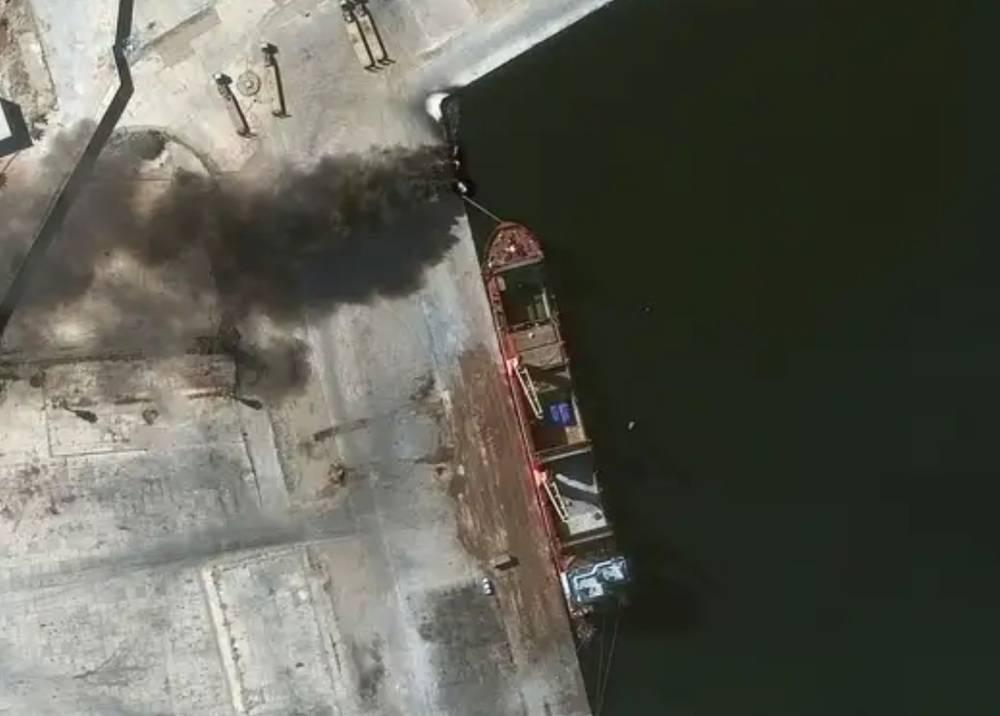
* A targeted drone operation struck Russian naval assets in North Africa: On November 22, 2026, Ukrainian forces deployed seven domestically produced naval unmanned surface vessels (USVs) launched from an offshore mothership to strike the Russian corvette *Merkury* docked in Benghazi Port, Libya. * Severe structural losses were confirmed by satellite imagery: The attack caused the Steregushchiy-class corvette *Merkury* to capsize and sink with most of its hull submerged, while also destroying an onboard Ka-27 helicopter and striking the Russian cargo vessel *MV Angara*. * Official claims of responsibility and regional backlash followed: Ukrainian President Volodymyr Zelenskyy publicly claimed responsibility for the operation on November 23, 2026, while eastern Libyan authorities reported 10 injuries, condemned the violation of maritime sovereignty, and Russia stated the action would not go unpunished.
The context you actually need
* The vessel performed critical escort and logistics functions: Commissioned in 2023, the *Merkury* routinely escorted Russian maritime convoys and protected sanctioned transport vessels like the *MV Angara*, which is used for weapons and equipment transport across the Mediterranean and into Africa. * Libyan maritime facilities serve as key resupply nodes: Russian naval and logistical assets have increasingly utilized eastern Libyan ports under the administration of eastern authorities for replenishment and sustained operational reach across the Mediterranean basin. * This operation marks an acknowledged geographical expansion: While maritime drone strikes were previously restricted to the Black Sea theater, this coordinated strike by Ukraine's Security Service (SBU) represents the first official acknowledgment of an offensive naval operation executed within Libyan territorial waters.
What's really happening
The sinking of the *Merkury* inside the Port of Benghazi establishes a structural shift in how regional power projection and maritime logistics function. By executing an unmanned surface vessel operation thousands of kilometers from its sovereign coastline, Ukraine has removed the geographic boundary that historically separated theater-specific combat from distal logistical support networks.
From an operational standpoint, the deployment of seven naval drones launched via a mothership demonstrates that deep-water transit no longer restricts small, high-explosive uncrewed platforms. Naval drones do not require dedicated forward littoral bases if commercial or covert motherships can deploy them adjacent to foreign harbors. This reality changes the defensive calculus for docked naval assets. Harbors in non-belligerent or semi-permissive jurisdictions—such as eastern Libya—can no longer function as safe anchorages solely based on distance from the front line.
The incentive structure driving this strike centers on resource interdiction. The *Merkury* was not an isolated patrol craft; it was a modern Steregushchiy-class corvette commissioned in 2023 specifically tasked with providing defensive air cover, sensor screens, and armed escort to transport vessels such as the sanctioned *MV Angara*. By neutralizing the escort corvette and damaging the *MV Angara* simultaneously, the operation directly degrades Russia's capacity to maintain protected maritime corridors linking Mediterranean supply lines to African operations.
Furthermore, the destruction of the shipboard Ka-27 helicopter eliminates the primary organic anti-submarine and surface-search aviation asset attached to that task element. Replacing these naval capabilities in the Mediterranean is complicated by international maritime treaties and strait transit restrictions, meaning lost surface combatants cannot be backfilled rapidly from alternative fleets.
For local authorities in eastern Libya, the incident highlights the secondary friction of hosting foreign military logistics. While providing port access yields strategic alignment and operational leverage, it invites asymmetric strikes that disrupt commercial harbor infrastructure, generate civilian and port-worker casualties, and test diplomatic ties. Because international shipping and commodity markets price maritime insurance based on harbor security ratings, repeat kinetic actions inside commercial ports inevitably trigger premium increases and operational hesitation from global shipping cartels, even when immediate oil export flows remain physically intact.
Who feels it first (and how)
* Mediterranean port terminal operators and port authorities: Commercial facilities handling dual-use or foreign sovereign vessels face immediate security reassessments, increased harbor patrol requirements, and tighter berthing screenings. * Maritime hull and cargo underwriters: Risk actuaries must recalculate baseline risk formulas for eastern Mediterranean and North African hubs, pricing in the expanded operational footprint of asymmetric USV deployments. * Naval logistics planners: Defense establishments operating expeditionary detachments must deploy autonomous harbor defense barriers, counter-USV netting, and localized electronic warfare suites to foreign ports previously considered safe logistics sanctuaries. * Commercial supply chains in North Africa: Exporters and merchant shipping lines operating out of Libyan maritime terminals face heightened administrative delays and inspections as port security protocols tighten.
What to watch next
* Libyan port access regulations: Monitor whether eastern Libyan authorities impose structural restrictions or distinct berthing zones for foreign naval assets to safeguard commercial harbor operations from future strikes. * Russian Mediterranean naval redistribution: Track how remaining Russian naval units in the Mediterranean adjust their escort patterns, anchorage points, and resupply stops without the sensor coverage of the *Merkury*. * Retaliatory asymmetric maneuvers: Observe Russian diplomatic, economic, or kinetic counters in regional operating areas, as Moscow evaluates response options outside the standard Black Sea operational zone.
Seven Ukrainian naval drones launched from a mothership struck Benghazi Port on November 22, 2026; the corvette *Merkury* capsized and sank; a Ka-27 helicopter was destroyed; the *MV Angara* was hit; eastern Libyan officials confirmed 10 injuries.
Maritime hull insurance underwriters will adjust threat ratings for commercial vessels operating in proximity to foreign sovereign warships in secondary Mediterranean ports.
The exact launch point, flag, and identity of the mothership that deployed the seven USVs, and whether western Libyan territory was used to stage any component of the logistical planning.
Frequently Asked Questions
- Why it matters?
- The expansion of unmanned surface vessel strikes into North African ports demonstrates that sovereign logistics hubs outside primary conflict zones now carry direct kinetic operational exposure.
- What happened (in 30 seconds)?
- A targeted drone operation struck Russian naval assets in North Africa: On November 22, 2026, Ukrainian forces deployed seven domestically produced naval unmanned surface vessels (USVs) launched from an offshore mothership to strike the Russian corvette *Merkury* docked in Benghazi Port, Libya. Severe structural losses were confirmed by satellite imagery: The attack caused the Steregushchiy-class corvette *Merkury* to capsize and sink with most of its hull submerged, while also destroying an onb
- What's really happening?
- The sinking of the *Merkury* inside the Port of Benghazi establishes a structural shift in how regional power projection and maritime logistics function. By executing an unmanned surface vessel operation thousands of kilometers from its sovereign coastline, Ukraine has removed the geographic boundary that historically separated theater-specific combat from distal logistical support networks. From an operational standpoint, the deployment of seven naval drones launched via a mothership demonstr
- Who feels it first (and how)?
- Mediterranean port terminal operators and port authorities: Commercial facilities handling dual-use or foreign sovereign vessels face immediate security reassessments, increased harbor patrol requirements, and tighter berthing screenings. Maritime hull and cargo underwriters: Risk actuaries must recalculate baseline risk formulas for eastern Mediterranean and North African hubs, pricing in the expanded operational footprint of asymmetric USV deployments. Naval logistics planners: Defense establi
- What to watch next?
- Libyan port access regulations: Monitor whether eastern Libyan authorities impose structural restrictions or distinct berthing zones for foreign naval assets to safeguard commercial harbor operations from future strikes. Russian Mediterranean naval redistribution: Track how remaining Russian naval units in the Mediterranean adjust their escort patterns, anchorage points, and resupply stops without the sensor coverage of the *Merkury*. Retaliatory asymmetric maneuvers: Observe Russian diplomatic,
Pan-Arab political news and analysis.
"Al-Quds Al-Arabi is a London-based Arabic newspaper known for political coverage."
— A47 Editor
ليبيا: حفتر في تركيا وسط تصاعد تداعيات هجوم بنغازي وتباين المواقف الدولية بشأن الرد على أوكرانيا
Libyan forces loyal to Khalifa Haftar are escalating threats after Ukrainian attacks targeted the port of Benghazi and its maritime surroundings, while international positions diverge on the legitimacy of the strike. Haftar has made his first officia...
Arabic-language coverage of international news and geopolitics.
"RT Arabic is a Russian state-funded outlet often criticized for promoting Kremlin-aligned narratives."
— A47 Editor
الهجوم على ميناء بنغازي.. إيطاليا تحذّر أوكرانيا من توسيع نطاق الحرب
Italian Foreign Minister Antonio Tajani said Rome informed Kyiv that targeting Russian ships in Libyan waters "was a mistake," warning that the war could expand into new areas, following an attack at the port of Benghazi in eastern Libya that struck ...
Arabic-language coverage of international news and geopolitics.
"RT Arabic is a Russian state-funded outlet often criticized for promoting Kremlin-aligned narratives."
— A47 Editor
الهدف وراء عملية بنغازي ضد سفينة البحرية الروسية
RT Arabic reports on the targeting of a Russian Navy corvette off the coast of Benghazi, Libya, an incident whose repercussions are still being discussed amid the search for a Ukrainian settlement and the atmosphere of trilateral negotiations between...
Arabic-language reporting on global and regional news.
"BBC Arabic is part of the BBC, generally regarded for editorial standards and broad international coverage."
— A47 Editor
ماذا تكشف هجمات بنغازي عن دور روسيا وأوكرانيا في ليبيا؟
Ukraine has announced strikes on two Russian ships in and off the coast of Benghazi, eastern Libya, bringing renewed attention to Russia's military presence in the east of the country and reports of Ukrainian military personnel in the west. The devel...
Arabic-language coverage of international news and geopolitics.
"RT Arabic is a Russian state-funded outlet often criticized for promoting Kremlin-aligned narratives."
— A47 Editor
ليبيا.. تصعيد أوكراني بغطاء أجنبي
Ukraine is reported to have carried out a complex intelligence operation targeting a Russian warship at the Manaya port of Benghazi in Libya, with the source's headline questioning who authorized the operation and raising the issue of foreign cover f...
Arabic-language coverage of international news and geopolitics.
"RT Arabic is a Russian state-funded outlet often criticized for promoting Kremlin-aligned narratives."
— A47 Editor
هجوم بنغازي يفتح مواجهة قانونية.. خبير لـRT يحدد مسؤولية أوكرانيا أمام القانون الدولي
A Russian ship was reportedly struck inside the port of Benghazi, Libya, an incident that Professor of International Relations Hamid Fares, speaking to RT Arabic, described as a violation of Libyan sovereignty and principles of international neutrali...
Arabic-language reporting focused on domestic developments in Saudi Arabia.
"Okaz is a mainstream Saudi newspaper that often reflects domestic priorities and official-facing coverage."
— A47 Editor
نيران روسيا وأوكرانيا تهدّد ليبيا
Ukrainian naval drones reportedly targeted a Russian warship, the Mercury, at the port of Benghazi in eastern Libya, and Kyiv has claimed responsibility for the operation. The attack, as described in the base report, marks a shift in the Russia-Ukrai...
Coverage of political affairs and regional developments from a Saudi perspective.
"Al Watan political coverage typically follows a mainstream Saudi framing of regional and national issues."
— A47 Editor
7 مسيرات تغرق ميركوري وروسيا تتوعد بالرد
Ukrainian President Volodymyr Zelensky announced that Ukrainian forces used seven locally made unmanned surface drones to sink the Russian corvette Mercury at the port of Benghazi, Libya, and hit the cargo ship Angara, which Kyiv accuses of transport...
Pan-Arab political news and analysis.
"Al-Quds Al-Arabi is a London-based Arabic newspaper known for political coverage."
— A47 Editor
ليبيا تطالب بتحقيق دولي في هجمات بنغازي وتطلب من أوكرانيا توضيحات بشأن عملياتها العسكرية
Libya's Foreign Ministry in the Government of National Unity has demanded an international investigation into attacks on Russian ships off the coast of Benghazi, after Ukraine announced responsibility for the operations. The ministry also called on K...