
Bio
Saqib is COO and co-founder at A47 AI, where he runs operations and leads the prediction-markets initiative. He covers crypto, Web3, and the decentralization of the sport and entertainment economy.
Editorial Responsibility
As A47's prediction-markets and crypto editor, I am responsible for our coverage of these markets and Web3 — ensuring it is grounded in real product, data, and revenue rather than speculation.
Previous experience · 14+ years
- · WPP Media (GroupM PK, Wavemaker PH)
- · MYCO
- · ARY Digital Network
Education
MBA Marketing, SZABIST
Areas of expertise
Categories overseen
Stories from Saqib Pathan’s desk
8486 stories- Crypto· World
Trump Shifts Stance on Bitcoin, Declares Himself a Big Crypto Guy
Donald Trump has publicly embraced Bitcoin, marking a significant shift from his previous criticisms of cryptocurrency. This change comes as he acknowledges political motivations for his involvement, reigniting discussions about Bitcoin's role in U.S. financial policy. The long-term implication could lead to evolving regulatory frameworks and broader acceptance of cryptocurrency in mainstream finance.
3 sourcesJul 10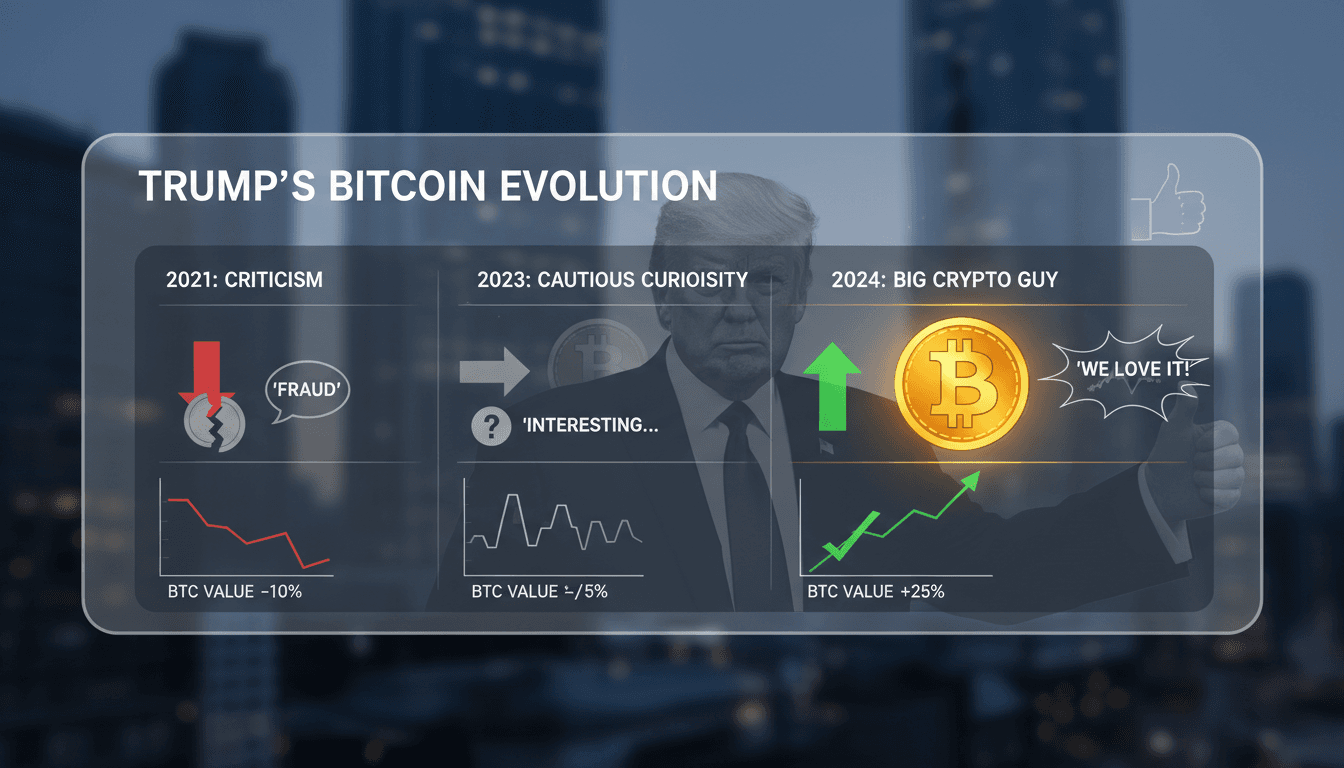
- Crypto· World
U.S. Strategic Bitcoin Reserve rollout delayed by agency dispute
The implementation of the U.S. Strategic Bitcoin Reserve has been stalled due to a jurisdictional conflict between the Treasury and Commerce departments. This dispute has emerged at this moment as the reserve, ordered by President Trump, has been in limbo for over a year, holding 328,372 BTC valued at approximately $25 billion. The resolution of this bureaucratic impasse will be critical for the future management and regulation of cryptocurrency assets by the U.S. government.
5 sourcesJul 10
- Crypto· World
Ctrl Wallet announces permanent shutdown following security exploit
Ctrl Wallet is shutting down due to a security exploit that occurred on June 23, 2026, with users required to withdraw their funds by August 3, 2026. The immediate trigger for this shutdown is the vulnerability exposed by the exploit, prompting urgent action from the company. In the long term, this incident may lead to increased scrutiny and improvements in security measures across the cryptocurrency wallet industry.
3 sourcesJul 10
- Crypto· World
Richard Heathcote Plans to Sell Stake in Tether Amid Regulatory Scrutiny
Richard Heathcote, the former Chief Investment Officer of Tether, is seeking to sell part of his 1.26% stake in the company. This move comes as Tether faces increasing regulatory scrutiny while remaining a private entity in the cryptocurrency market. The outcome of this sale could influence Tether's valuation and future fundraising efforts, potentially impacting investor confidence in the stablecoin sector.
3 sourcesJul 10
- Crypto· World
Coinbase secures UK MiFID license for derivatives and equities trading
Coinbase has received regulatory approval to offer derivatives and equities in the UK. This expansion is driven by the company's strategy to diversify its offerings and attract both institutional and retail traders. In the long term, this move positions Coinbase to significantly increase its market presence and user base in the UK, potentially influencing similar expansions in other regions.
5 sourcesJul 10
- Crypto· World
Grayscale executes $216 million Bitcoin sale to stabilize market
Grayscale has completed a $216 million sale of Bitcoin, aiming to enhance its financial position and stabilize the cryptocurrency's price. This strategic move comes as market reactions show increased investor confidence and a rebound in Bitcoin prices. In the long term, this may lead to a more stable price floor for Bitcoin, influencing future market dynamics.
5 sourcesJul 10
- Crypto· World
USDT and USDC exhibit diverging roles in cryptocurrency market dynamics
Tether's USDT has solidified its position as the leading stablecoin for payments, while Circle's USDC has emerged as the dominant player in the decentralized finance sector. This shift is driven by changing user preferences and the evolving landscape of cryptocurrency applications. The long-term implication suggests that the competition between these stablecoins will shape the future of digital finance and payment systems.
3 sourcesJul 10
- Crypto· World
Kraken Seeks Banking License in Lithuania to Expand European Operations
Kraken is pursuing a full banking license in Lithuania to enhance its operations in Europe. This initiative is driven by the company's strategy to improve regulatory compliance and service offerings following the recent acquisition of an electronic money institution license. Long-term, this move could set a precedent for other cryptocurrency exchanges aiming for legitimacy in traditional financial markets.
3 sourcesJul 10
- Crypto· UAE
Bitcoin Suisse gains regulatory approval to expand crypto services in UAE
Bitcoin Suisse has secured a license from the Abu Dhabi Global Market to operate in the UAE, allowing it to offer institutional crypto services. This approval comes as the UAE positions itself as a key hub for cryptocurrency and digital asset services. The long-term implication is that Bitcoin Suisse is likely to increase its market share and influence in the region, attracting more institutional clients and partnerships.
3 sourcesJul 10
- Crypto· World
EDX Markets secures $76 million in Series C funding from SBI Holdings
EDX Markets has raised $76 million in a Series C funding round led by SBI Holdings to enhance its institutional cryptocurrency trading services. This investment reflects the strong interest from institutional investors in the crypto market, occurring despite a general slowdown in venture capital funding. The long-term implication is that EDX Markets may lead the way in institutional cryptocurrency trading as interest in digital assets continues to grow.
5 sourcesJul 10
- Business· World
Vanguard initiates search for head of digital assets to enhance cryptocurrency strategy
Vanguard has announced its search for a digital assets chief to lead its evolving strategy in cryptocurrency. This decision comes as the firm seeks to develop a multi-year roadmap for tokenization, stablecoins, and blockchain initiatives, reflecting a shift from its previous skepticism towards digital assets. The long-term implication is that Vanguard's move may encourage greater institutional participation in the cryptocurrency market, potentially reshaping the investment landscape.
5 sourcesJul 10
- Crypto· World
Polymarket launches instant Bitcoin deposits via Lightning Network
Polymarket has enabled instant Bitcoin deposits through the Lightning Network, significantly reducing transaction wait times to under one second. This development is driven by the implementation of the Spark protocol, aimed at enhancing user experience and trading efficiency. In the long term, this upgrade is expected to attract more users and increase trading activity on the platform, solidifying Polymarket's position in the cryptocurrency prediction market.
3 sourcesJul 10
- Crypto· World
Bitcoin drops to $60,000 amid sell pressure and rising oil prices
Bitcoin has fallen back to the key support level of $60,000 after reaching $64,400. This decline is primarily triggered by Strategy's sale of 3,588 BTC to meet financial obligations, coinciding with a surge in oil prices due to geopolitical tensions. The long-term implication suggests that ongoing volatility in oil markets and corporate selling strategies will continue to influence Bitcoin's price and investor sentiment in the coming weeks.
3 sourcesJul 10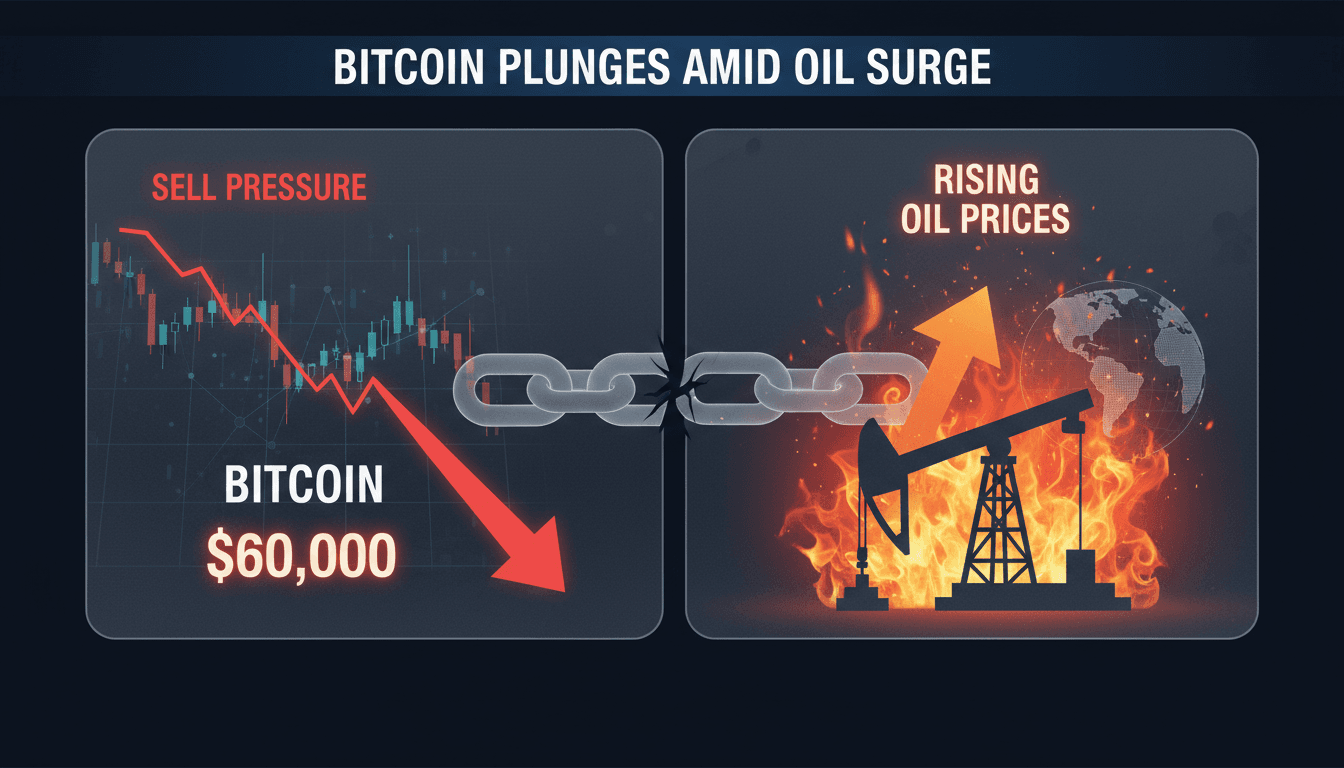
- Crypto· World
Kraken Wins $22 Million Arbitration Against Mazars USA Over Audit Withdrawal
Kraken has secured a $22 million arbitration award against its former auditor, Mazars USA, following the auditor's withdrawal from its 2022 audit. This arbitration victory is occurring now due to ongoing regulatory pressures in the cryptocurrency sector, as highlighted by Kraken's co-CEO Arjun Sethi. The long-term implication may lead to increased scrutiny and regulation of auditing practices within the cryptocurrency industry, fostering greater trust among stakeholders.
4 sourcesJul 10
- Crypto· World
BlackRock's Bitcoin ETF Drives $286 Million Inflows into Cryptocurrency Market
BlackRock's iShares Bitcoin Trust has recorded its strongest inflow in weeks, contributing to a total of $286 million in new investments across Bitcoin and Ether ETFs. This surge in institutional demand comes after a period of supply-side anxiety in the market, signaling renewed confidence among investors. The long-term implication is a potential stabilization and growth in the cryptocurrency market, attracting further institutional interest and innovation in the sector.
3 sourcesJul 10
- Crypto· World
Chainlink CCIP integrates with zkSync Era and WEMIX amid $7.2 billion migration from LayerZero
Chainlink's Cross-Chain Interoperability Protocol (CCIP) has successfully integrated with zkSync Era and WEMIX, enhancing cross-chain asset movement capabilities. This integration is occurring now as over $7.2 billion has migrated from LayerZero to Chainlink CCIP, reflecting a significant shift in the layer-2 interoperability landscape. In the long term, Chainlink CCIP is poised to become a cornerstone of cross-chain communication, influencing the future of decentralized applications and blockchain interoperability.
3 sourcesJul 10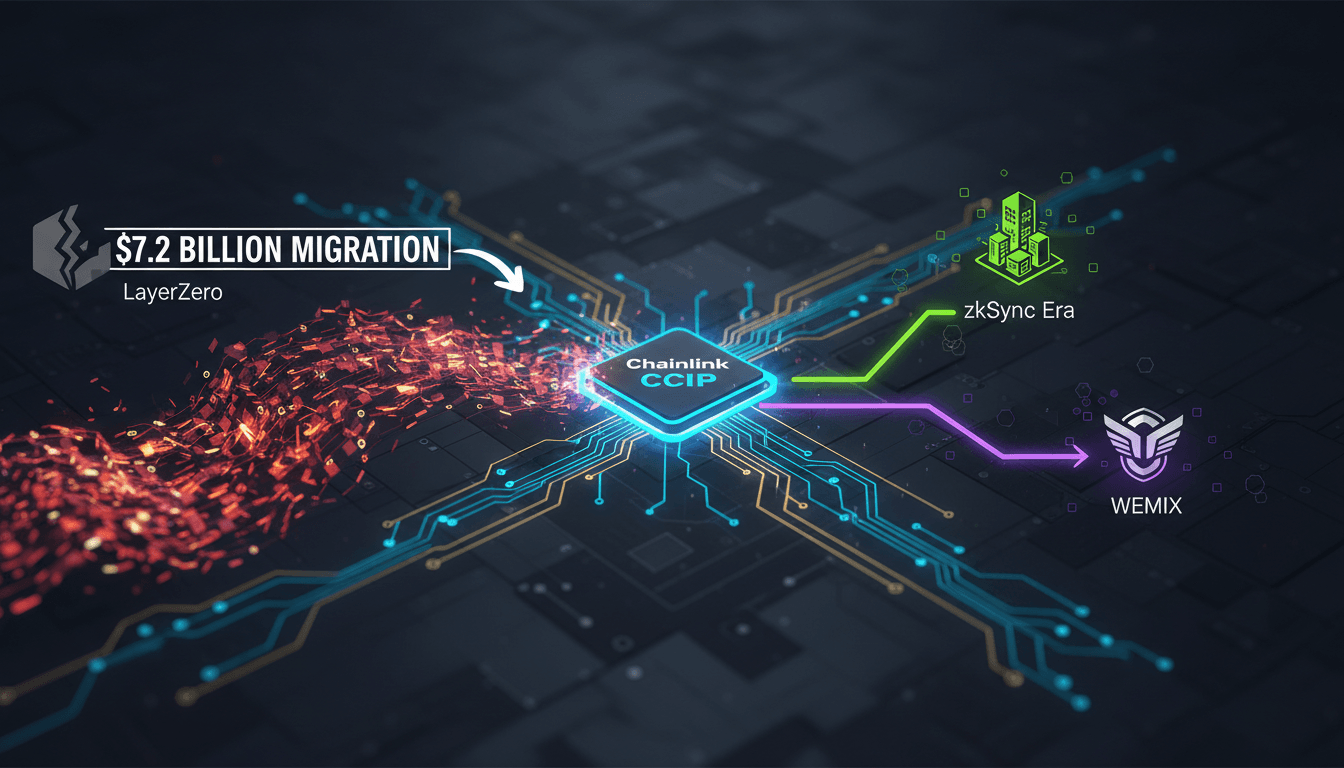
- Crypto· World
Bitcoin price rebounds to $64,000 amid market volatility
Bitcoin's price fluctuated, reclaiming $64,000 after dipping to $62,800. The immediate trigger for this rebound was a significant short liquidation of $108 million, coupled with improved market sentiment from lower oil prices. In the long term, Bitcoin's price may continue to experience volatility as traders remain cautious ahead of upcoming Federal Reserve announcements.
3 sourcesJul 10
- Business· World
Proxima Fusion secures €411 million funding for nuclear fusion development
Proxima Fusion has raised €411 million to advance its nuclear fusion technology, marking the largest private investment in European fusion energy. This funding round is driven by increasing investor confidence in fusion as a viable future energy source. The long-term implication is that Proxima Fusion could play a pivotal role in reshaping the energy landscape by the 2030s with its planned fusion plant.
4 sourcesJul 10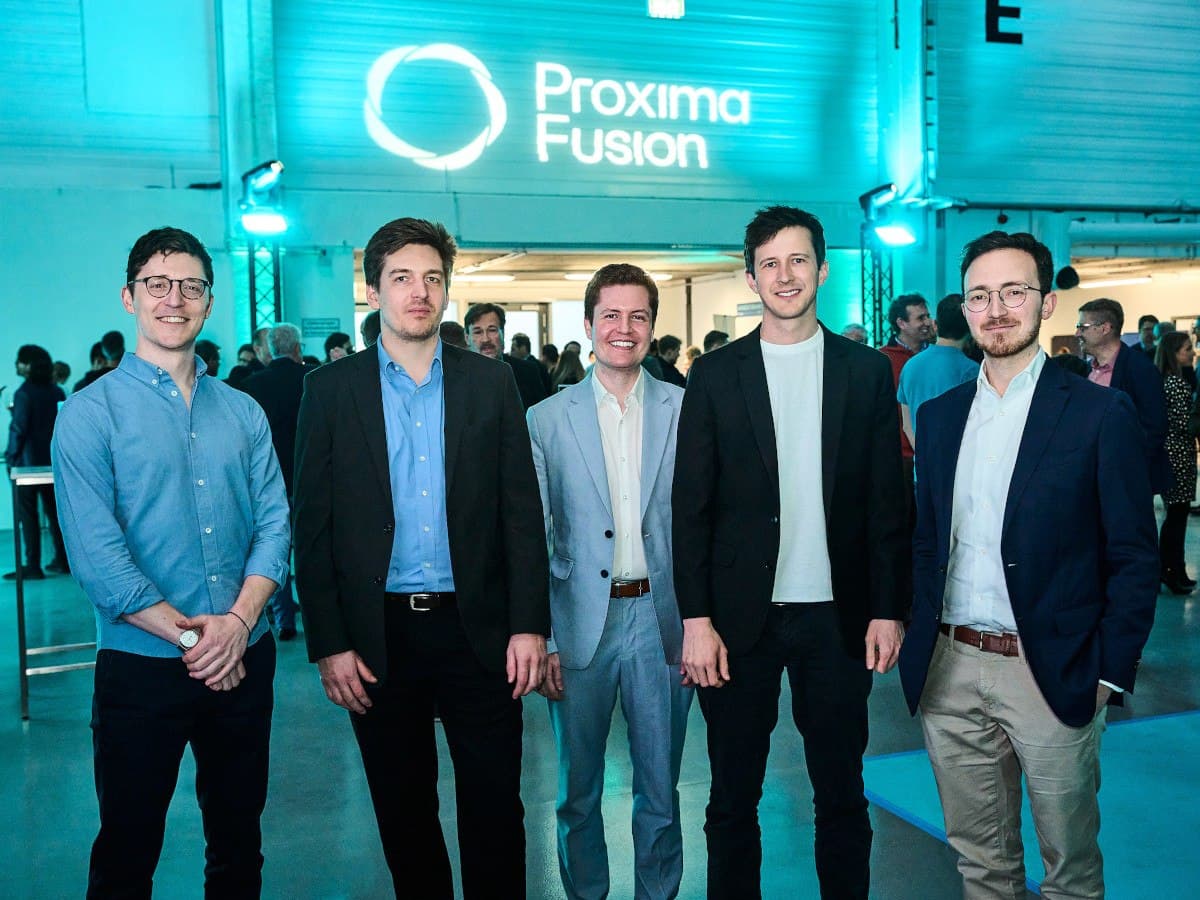
- Crypto· World
Bitcoin Prices Decline Amid Escalating U.S.-Iran Tensions
Bitcoin's price fell below $62,000 as military tensions between the U.S. and Iran escalated. This decline was triggered by President Trump's comments declaring the ceasefire with Iran as 'over', causing market instability. The ongoing geopolitical instability is likely to result in continued volatility in cryptocurrency markets, affecting investor confidence and trading strategies.
4 sourcesJul 10
- Business· UAE
ADNOC Distribution acquires Shell Downstream South Africa for $1 billion
ADNOC Distribution has finalized its acquisition of Shell Downstream South Africa for $1 billion, significantly expanding its footprint in the African energy market. This strategic move is driven by ADNOC's goal to diversify its operations and enhance its global market position. The long-term implication is that ADNOC may pursue further investments in Africa, potentially reshaping the regional energy landscape.
5 sourcesJul 10