
NASA to Deploy Nuclear Reactors on the Moon by 2030
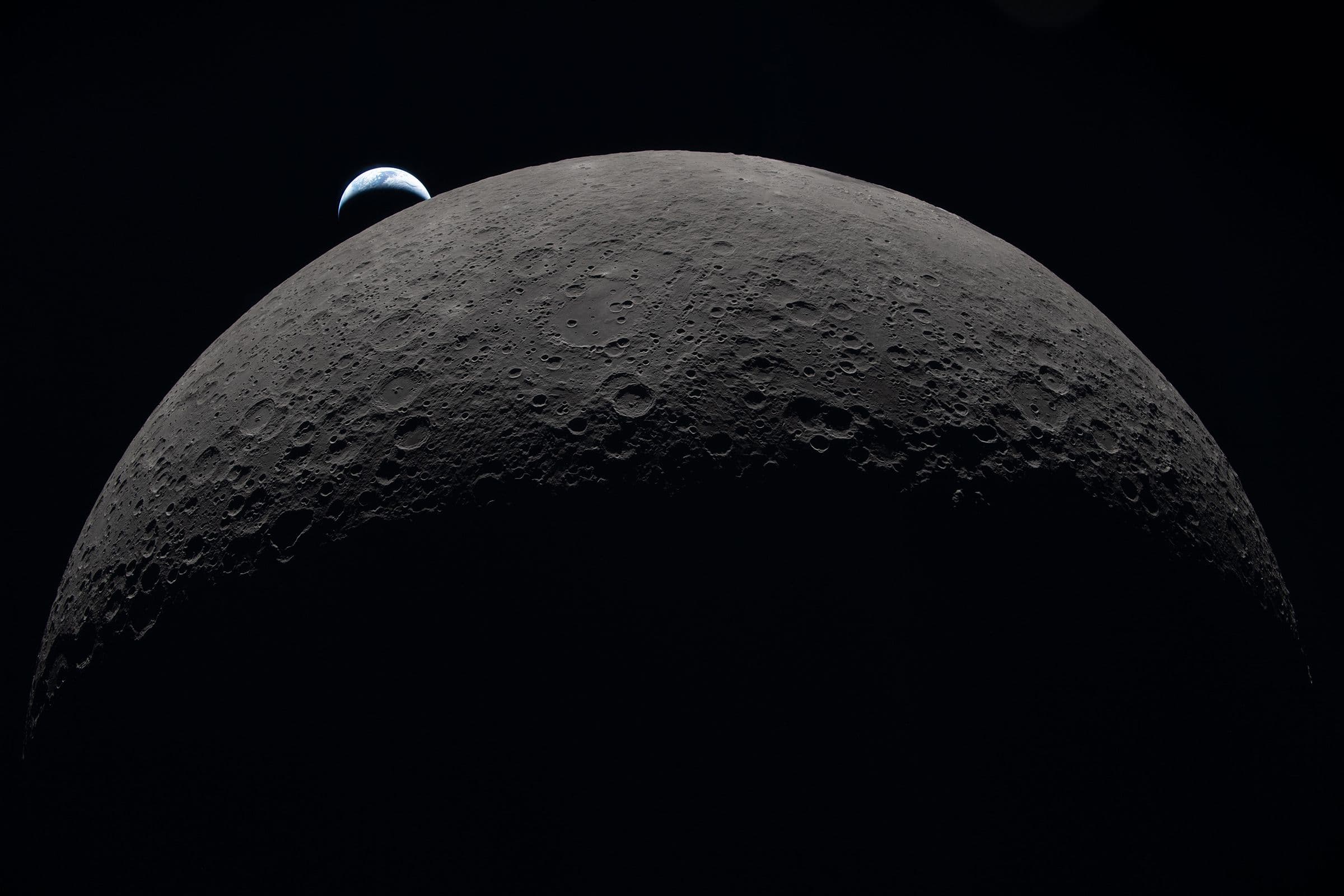
Here's what it means for you.
As space exploration accelerates, advancements in energy technology could reshape industries and job markets on Earth.
Why it matters
This initiative could redefine energy solutions for long-duration space missions, influencing future energy policies and technologies on Earth.
What happened (in 30 seconds)
- NASA announced plans to deploy modular nuclear fission reactors on the Moon by 2030, in collaboration with the Departments of Energy and Defense.
- The reactors will provide continuous power for lunar bases, addressing solar energy limitations during extended lunar nights.
- The initiative is part of a broader strategy to enhance U.S. competitiveness in space exploration, particularly against China and Russia.
The context you actually need
- The Fission Surface Power (FSP) project originated in 2021 as part of NASA's Artemis program, aimed at enabling long-duration lunar missions.
- Solar power is inadequate for the Moon's 14-day nights, necessitating a reliable energy source for habitats and operations.
- Geopolitical competition is driving the urgency of this initiative, as other nations pursue similar lunar nuclear capabilities.
What's really happening
NASA's Fission Surface Power initiative is a strategic response to the challenges of sustaining human presence on the Moon and beyond. The project aims to deploy modular nuclear reactors that can generate between 20 kWe and 100 kWe, providing a reliable power source for lunar habitats, in-situ resource utilization (ISRU), and propulsion systems. This is crucial given the Moon's unique environment, where solar energy is not a viable option during the two-week-long lunar nights.
The initiative is rooted in a directive from the White House Office of Science and Technology Policy, which emphasizes the importance of developing space nuclear technologies. This directive has spurred competition among contractors, with designs for the reactors expected within a year. The first demonstration of these reactors is planned for 2028, with operational capabilities targeted for 2030.
The implications of this project extend beyond lunar exploration. By establishing a sustainable energy source on the Moon, NASA is laying the groundwork for future missions to Mars and other celestial bodies. The ability to harness nuclear power in space could also influence energy policies on Earth, as advancements in nuclear technology may lead to new applications in renewable energy and energy security.
Moreover, the geopolitical landscape is a significant factor in this initiative. As countries like China and Russia pursue their own lunar nuclear capabilities, the U.S. is motivated to maintain its leadership in space exploration. This competition could accelerate technological advancements and foster international collaborations in space research and development.
In summary, NASA's Fission Surface Power initiative is not just about powering lunar missions; it represents a pivotal moment in the evolution of energy technology and international space policy. The successful deployment of these reactors could set a precedent for future energy solutions, both in space and on Earth.
Who feels it first (and how)
- Space industry professionals: Increased demand for expertise in nuclear technology and space engineering.
- Energy sector: Potential shifts in energy policy and investment towards nuclear and renewable technologies.
- Geopolitical analysts: Heightened focus on international space competition and collaboration opportunities.
- Research institutions: Opportunities for partnerships in developing advanced energy solutions.
What to watch next
- Contractor selections: The outcomes of contractor competitions will indicate which companies are leading in nuclear technology development.
- International collaborations: Watch for partnerships between NASA and other countries, particularly in the context of lunar exploration.
- Technological advancements: Innovations in nuclear technology could emerge, influencing energy solutions on Earth.
NASA's commitment to deploying nuclear reactors on the Moon by 2030.
Increased competition in space exploration technology among global powers.
The long-term impacts of lunar nuclear power on energy policies and technologies on Earth.
Frequently Asked Questions
- Why it matters?
- This initiative could redefine energy solutions for long-duration space missions, influencing future energy policies and technologies on Earth.
- What happened (in 30 seconds)?
- NASA announced plans to deploy modular nuclear fission reactors on the Moon by 2030, in collaboration with the Departments of Energy and Defense. The reactors will provide continuous power for lunar bases, addressing solar energy limitations during extended lunar nights. The initiative is part of a broader strategy to enhance U.S. competitiveness in space exploration, particularly against China and Russia.
- What's really happening?
- NASA's Fission Surface Power initiative is a strategic response to the challenges of sustaining human presence on the Moon and beyond. The project aims to deploy modular nuclear reactors that can generate between 20 kWe and 100 kWe, providing a reliable power source for lunar habitats, in-situ resource utilization (ISRU), and propulsion systems. This is crucial given the Moon's unique environment, where solar energy is not a viable option during the two-week-long lunar nights. The initiative is
- Who feels it first (and how)?
- Space industry professionals: Increased demand for expertise in nuclear technology and space engineering. Energy sector: Potential shifts in energy policy and investment towards nuclear and renewable technologies. Geopolitical analysts: Heightened focus on international space competition and collaboration opportunities. Research institutions: Opportunities for partnerships in developing advanced energy solutions.
- What to watch next?
- Contractor selections: The outcomes of contractor competitions will indicate which companies are leading in nuclear technology development. International collaborations: Watch for partnerships between NASA and other countries, particularly in the context of lunar exploration. Technological advancements: Innovations in nuclear technology could emerge, influencing energy solutions on Earth.
Emerging technologies, digital transformation, IT, and cultural impact of tech.
"WIRED covers the intersection of technology, culture, and politics with a progressive, forward-looking editorial stance."
— A47 Editor
NASA Wants to Put Nuclear Reactors on the Moon
The White House has announced that NASA will collaborate with the Departments of Defense and Energy to deploy nuclear reactors both in orbit and on the lunar surface. This initiative aims to enhance energy capabilities for future lunar missions and e...
Science and technology stories including AI.
"Longstanding science magazine with thoughtful AI coverage."
— A47 Editor
NASA needs nuclear power for its moon base. Here’s the White House plan to get it
The White House has unveiled a roadmap for NASA to establish a nuclear power source for a permanent moon base, aiming for implementation by 2028. This initiative is crucial for supporting sustained human presence on the lunar surface, which is a key ...
Scientific research, technology, environment, and society.
"Scientific American is one of the oldest and most authoritative science magazines, known for deep dives into science, technology, and society."
— A47 Editor
NASA needs nuclear power for its moon base. Here’s the White House plan to get it
The White House has unveiled a roadmap for NASA to establish a nuclear power source for a permanent moon base, aiming for implementation by 2028. This initiative is crucial for supporting sustained human presence on the lunar surface, which is a key ...
Conservative-leaning political and national coverage.
"The Washington Times is a conservative-leaning newspaper known for its political coverage and advocacy of right-of-center viewpoints."
— A47 Editor
Nuclear reactor on moon crucial to U.S. 'space superiority,' Trump officials say
Top officials from the Trump administration emphasized the necessity for the U.S. to establish a permanent lunar base, including a nuclear reactor, to maintain its space superiority over China and Russia during a recent space conference.
Conservative-leaning coverage of current events.
"Fox News is a highly influential conservative news outlet known for right-leaning political commentary and coverage."
— A47 Editor
Trump swings for moon with nuclear reactor plans as China, Russia team up in space race
The Trump administration has announced plans to establish a nuclear reactor on the Moon by 2030, aiming to enhance U.S. space exploration and defense capabilities amid a competitive landscape with China and Russia.