
NASA Reveals 189 Customized Food Items for Artemis II Lunar Mission
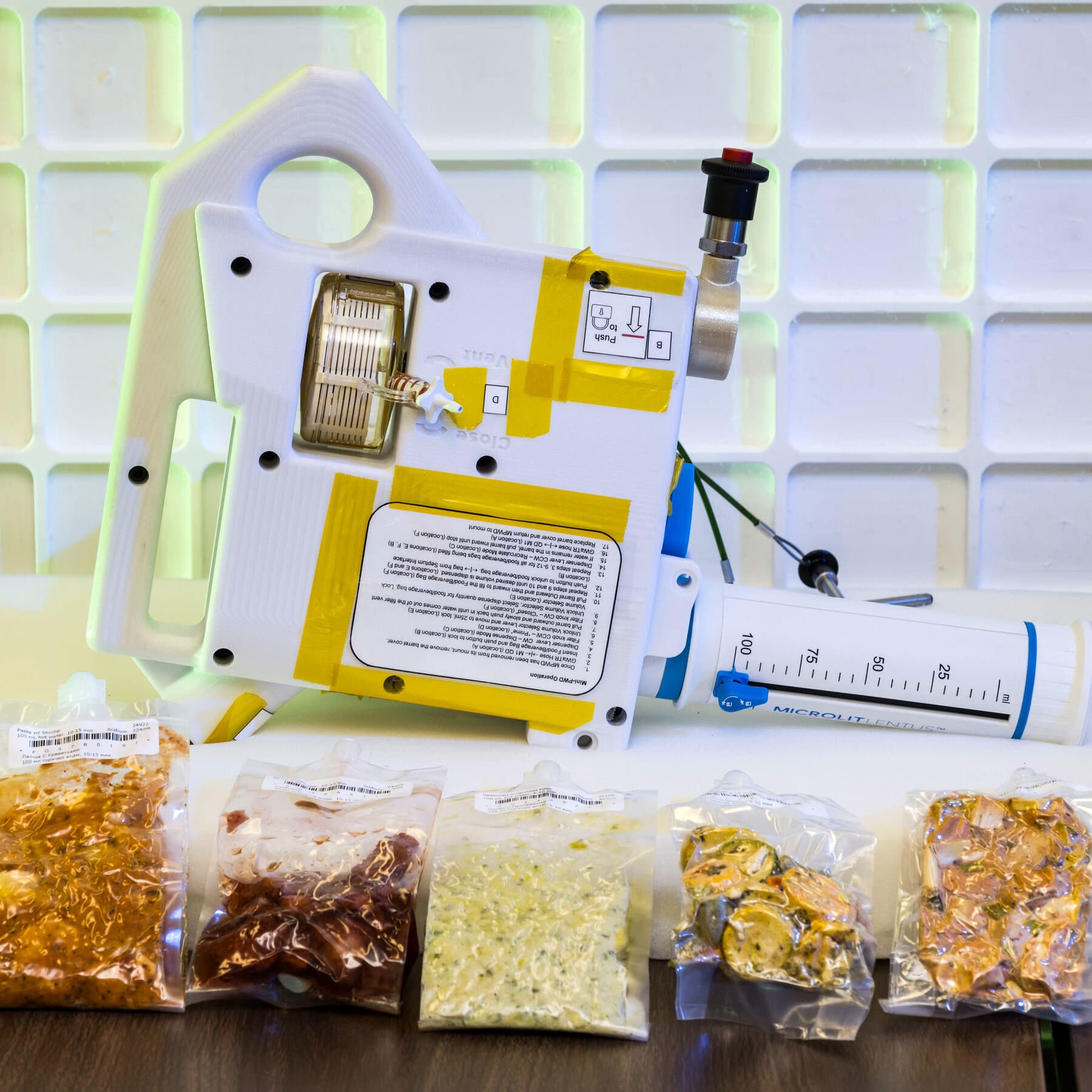
Here's what it means for you.
The innovative food systems developed for Artemis II could redefine nutritional standards and food technology in extreme environments, influencing future space missions and terrestrial applications.
Why it matters
NASA's advancements in space food technology may inspire innovations in nutrition and food preservation on Earth, particularly in remote and challenging environments.
What happened (in 30 seconds)
- NASA disclosed the Artemis II food menu on April 6, 2026, featuring 189 customized food items for a 10-day lunar flyby mission.
- The crew includes astronauts Reid Wiseman, Victor Glover, Christina Koch, and Jeremy Hansen, who selected the menu to ensure balanced nutrition and morale.
- The mission launched on April 1, 2026, and aims to test life support systems while observing a solar eclipse during the lunar orbit.
The context you actually need
- Artemis II is the first crewed mission in NASA's Artemis program, following the uncrewed Artemis I, and is crucial for establishing a sustainable lunar presence.
- Food technology has evolved significantly since the Apollo era, moving from paste tubes and cubes to a diverse menu designed to meet astronauts' nutritional needs in microgravity.
- Crew involvement in menu selection at the Space Food Systems Laboratory was essential to address historical issues like body weight loss and nutritional deficiencies during space travel.
What's really happening
NASA's Artemis II mission represents a significant leap in space exploration, particularly in how astronauts are nourished during their journeys. The mission's food menu, comprising 189 unique items, is a product of extensive research and development aimed at addressing the challenges of eating in space. Unlike the early Apollo missions, where food options were limited and often unappetizing, the Artemis II menu reflects a modern understanding of nutrition, taste, and the psychological well-being of astronauts.
The selection process involved input from the crew, who collaborated with the NASA Space Food Systems Laboratory to create a menu that balances mass, volume, calories, micronutrients, and flavor. This approach not only ensures that astronauts receive the necessary nutrients but also enhances their morale during the mission. The menu includes a variety of meals, snacks, and beverages, such as barbecued beef brisket, macaroni and cheese, and 43 cups of coffee, designed to be rehydratable and thermostabilized for easy consumption in microgravity.
The implications of this mission extend beyond space travel. The advancements in food technology and nutrition science developed for Artemis II could have applications in various sectors on Earth, particularly in remote areas where access to fresh food is limited. The ability to create nutritious, palatable meals that can be stored for extended periods is crucial for humanitarian efforts, disaster relief, and even military operations.
Moreover, the public's fascination with the specifics of the menu—like the 58 tortillas and 5 hot sauces—highlights a growing interest in space food innovation. This interest can drive engagement in STEM fields, particularly in regions like the UAE, where space exploration is becoming a focal point for national development. As the mission progresses, the data gathered on food consumption and crew health will inform future missions and potentially lead to new standards in food technology.
Who feels it first (and how)
- Astronauts: Directly experience the effects of the food menu on health and morale during the mission.
- NASA scientists and engineers: Involved in the development and testing of food systems, impacting future missions and research.
- Food technology companies: May leverage insights from the mission to innovate products for extreme environments on Earth.
- STEM educators: Can use the mission's narrative to inspire students in science and technology fields, particularly in the UAE.
What to watch next
- Public engagement: Monitor how social media reactions and public interest in space food influence STEM education initiatives.
- Nutritional data: Keep an eye on the health and nutritional data collected during the mission, which could lead to new standards in space and terrestrial food systems.
- Future missions: Watch for announcements regarding subsequent Artemis missions and how lessons learned from Artemis II will shape their food provisions.
The Artemis II mission is ongoing, with a focus on testing life support systems and crew nutrition.
Innovations in space food technology will influence food systems on Earth, particularly in remote areas.
The long-term impact of the mission on public interest in space exploration and its effects on STEM engagement remains to be seen.
Frequently Asked Questions
- Why it matters?
- NASA's advancements in space food technology may inspire innovations in nutrition and food preservation on Earth, particularly in remote and challenging environments.
- What happened (in 30 seconds)?
- NASA disclosed the Artemis II food menu on April 6, 2026, featuring 189 customized food items for a 10-day lunar flyby mission. The crew includes astronauts Reid Wiseman, Victor Glover, Christina Koch, and Jeremy Hansen, who selected the menu to ensure balanced nutrition and morale. The mission launched on April 1, 2026, and aims to test life support systems while observing a solar eclipse during the lunar orbit.
- What's really happening?
- NASA's Artemis II mission represents a significant leap in space exploration, particularly in how astronauts are nourished during their journeys. The mission's food menu, comprising 189 unique items, is a product of extensive research and development aimed at addressing the challenges of eating in space. Unlike the early Apollo missions, where food options were limited and often unappetizing, the Artemis II menu reflects a modern understanding of nutrition, taste, and the psychological well-bein
- Who feels it first (and how)?
- Astronauts: Directly experience the effects of the food menu on health and morale during the mission. NASA scientists and engineers: Involved in the development and testing of food systems, impacting future missions and research. Food technology companies: May leverage insights from the mission to innovate products for extreme environments on Earth. STEM educators: Can use the mission's narrative to inspire students in science and technology fields, particularly in the UAE.
- What to watch next?
- Public engagement: Monitor how social media reactions and public interest in space food influence STEM education initiatives. Nutritional data: Keep an eye on the health and nutritional data collected during the mission, which could lead to new standards in space and terrestrial food systems. Future missions: Watch for announcements regarding subsequent Artemis missions and how lessons learned from Artemis II will shape their food provisions.
Scientific research, space, environment, and health coverage.
"The New York Times is a globally recognized newspaper offering authoritative reporting with a center-left editorial stance."
— A47 Editor
Here’s What Food the Artemis II Astronauts Will Eat in Space
The Artemis II astronauts, who launched on April 1, 2026, are following a carefully planned meal schedule that includes breakfast, lunch, and dinner tailored to their personal preferences and nutritional needs. The menu features a variety of food pou...
Pan-Arab news coverage spanning politics, business, sports, and regional affairs.
"Asharq Al-Awsat reflects a broad Arab editorial perspective with strong attention to regional geopolitics."
— A47 Editor
«أرتيميس 2» في مدار القمر
The Artemis 2 mission has successfully entered lunar orbit, marking a monumental achievement for humanity as four astronauts witness parts of the Moon that have never been seen by the human eye before. This mission is the first crewed lunar expeditio...
Arabic-language UAE newspaper coverage focused on domestic affairs, public institutions, business, society, and regional developments.
"Al Khaleej coverage generally reflects a mainstream UAE editorial lens with strong attention to public affairs, institutions, and regional developments."
— A47 Editor
رواد «أرتيميس 2».. لماذا لم يزر القمر أحد قبلهم منذ 50 عاماً؟
NASA's Artemis 2 mission launched on April 1, 2026, from the Kennedy Space Center in Florida, marking the first crewed lunar mission in over 50 years. The mission aims to send four astronauts on a historic 10-day journey around the Moon, highlighting...
International coverage from The Guardian's global desks.
"The Guardian is known for its progressive editorial stance and in-depth analysis."
— A47 Editor
Artemis II crew enters moon’s gravitational grip ahead of historic flyby
NASA's Artemis II crew has entered the moon's gravitational influence, positioning themselves over 4,000 miles above the lunar surface, marking the first human flyby of the moon's far side in over 50 years. The mission, which launched on April 1, 202...
Reports on science policy, discoveries, and public debate in the scientific realm.
"The Guardian’s science section is known for thoughtful and critical reporting on global research, ethics, and public understanding of science."
— A47 Editor
Artemis II crew enters moon’s gravitational grip ahead of historic flyby
NASA's Artemis II crew has entered the moon's gravitational influence, positioning themselves over 4,000 miles above the lunar surface, marking the first human flyby of the moon's far side in over 50 years. The mission, which launched on April 1, 202...
National headlines across the United States including breaking stories and societal issues.
"NBC News is a mainstream media outlet known for comprehensive national and international news coverage with a centrist to slightly left-leaning editorial tone."
— A47 Editor
Coverage of Artemis II's moon flyby
NASA's Artemis II mission successfully launched on April 1, 2026, marking the first crewed journey to the moon in over 50 years. The mission aims to send astronauts aboard the Orion spacecraft on a lunar flyby, with the crew expected to break the rec...
Science and technology stories including AI.
"Longstanding science magazine with thoughtful AI coverage."
— A47 Editor
NASA’s Artemis II mission is about to pass behind the moon
NASA's Artemis II mission is currently on its fifth day in space, having conducted space suit tests and engaged in an Easter egg hunt as it prepares for a close encounter with the Moon. The mission, which launched on April 1, 2026, is notable for bei...
Scientific research, technology, environment, and society.
"Scientific American is one of the oldest and most authoritative science magazines, known for deep dives into science, technology, and society."
— A47 Editor
NASA’s Artemis II mission is about to pass behind the moon
NASA's Artemis II mission is currently on its fifth day in space, featuring space suit tests and final preparations for a close encounter with the Moon. The mission, which launched on April 1, 2026, includes four astronauts aboard the Orion spacecraf...
Space exploration, astronomy, and astrophysics.
"The New York Times is a globally recognized newspaper offering authoritative reporting with a center-left editorial stance."
— A47 Editor
NASA Artemis II Astronauts Race Into Moon’s Embrace After Quiet Easter
NASA's Artemis II mission has successfully launched, with astronauts celebrating Jeremy Hansen's first spaceflight and receiving a special message from Apollo 16 moonwalker Charlie Duke. The crew is currently on a ten-day journey, preparing for a lun...
Space science news, astronomy updates, and spaceflight developments.
"Space.com delivers space science news, astronomy updates, and spaceflight developments with engaging coverage."
— A47 Editor
Artemis 2 astronauts are about to see one of the rarest skywatching sights of all — a solar eclipse from beyond the moon
The Artemis 2 astronauts are set to witness a solar eclipse from beyond the moon's far side on April 6, 2026, during their historic mission, which began with a successful launch on April 1. This mission marks the first crewed flight to the Moon in ov...
Technology business and AI-related headlines.
"Data-driven tech newsroom with global scope."
— A47 Editor
On NASA’s Moon Mission, the Biggest Headache Has Been the Toilet
NASA's Artemis II mission successfully launched on April 1, 2026, marking the first crewed flight to the Moon in over 50 years, with four astronauts aboard the Orion spacecraft. However, the mission has faced challenges, particularly with the spacecr...
Technology business news, market impacts, and innovation trends.
"Bloomberg is a premier financial and tech news provider, respected for its in-depth reporting and analytical rigor."
— A47 Editor
On NASA’s Moon Mission, the Biggest Headache Has Been the Toilet
NASA's Artemis II mission successfully launched on April 1, 2026, marking the first crewed flight to the Moon in over 50 years, with four astronauts aboard the Orion spacecraft. However, the mission has faced challenges, particularly with the spacecr...
Space science news, astronomy updates, and spaceflight developments.
"Space.com delivers space science news, astronomy updates, and spaceflight developments with engaging coverage."
— A47 Editor
Artemis 2 moon astronauts will try to recreate Apollo 8's historic 'Earthrise' photo during April 6 flyby
The Artemis 2 mission is set to attempt to recreate the iconic 'Earthrise' photograph taken during Apollo 8, with astronauts planning to capture this historic image during their flyby on April 6, 2026. This mission marks a significant milestone as it...
Scientific research, technology, environment, and society.
"Scientific American is one of the oldest and most authoritative science magazines, known for deep dives into science, technology, and society."
— A47 Editor
NASA’s Artemis II moon mission is gearing up for its lunar flyby
NASA's Artemis II mission is currently preparing for its lunar flyby, with officials and the crew addressing ongoing issues, including a malfunctioning toilet aboard the Orion spacecraft. The mission, which launched on April 1, 2026, marks the first ...
Science and technology stories including AI.
"Longstanding science magazine with thoughtful AI coverage."
— A47 Editor
NASA’s Artemis II moon mission is gearing up for its lunar flyby
NASA's Artemis II mission is currently preparing for its lunar flyby, with officials and the crew addressing ongoing issues, including a malfunctioning toilet aboard the Orion spacecraft. The mission, which launched on April 1, 2026, marks the first ...