
UK Government Caps Student Loan Interest Rates at 6% for 2026/27 Amid Inflation Concerns from Middle East Conflict
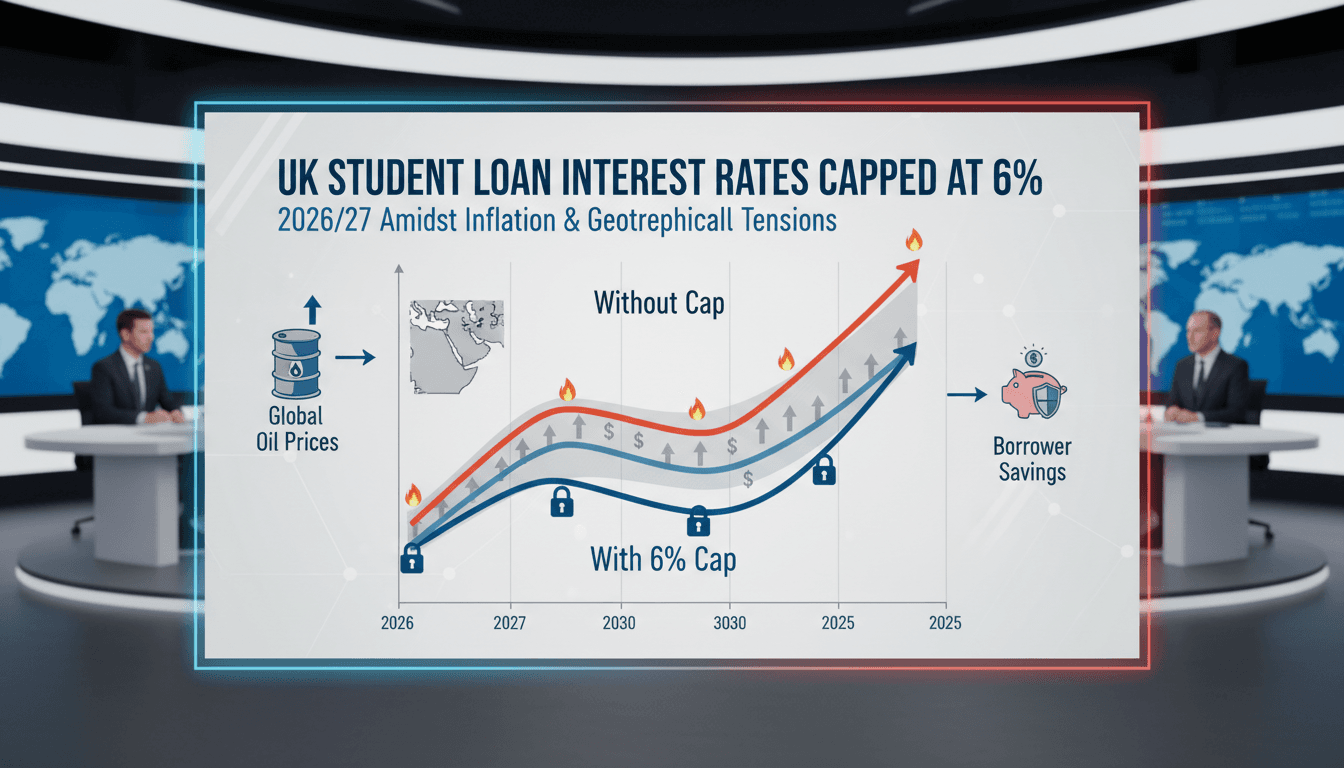
Here's what it means for you.
If you hold a Plan 2 or Plan 3 student loan, this cap could significantly reduce your long-term debt burden.
Why it matters
This policy aims to protect millions of borrowers from escalating debt amid global inflation pressures.
What happened (in 30 seconds)
- On April 7, 2026, the UK government announced a 6% cap on interest rates for Plan 2 and Plan 3 student loans for the 2026/27 academic year.
- The cap is a response to inflation risks linked to the Iran war and global oil price volatility, which could have driven rates above 7%.
- This measure affects approximately 5.8 million borrowers in England and Wales, providing financial relief during uncertain economic times.
The context you actually need
- Plan 2 loans apply to undergraduates who started their courses from September 2012 to July 2023, while Plan 3 loans cover postgraduate students.
- Interest typically accrues at the Retail Prices Index (RPI) plus up to 3%, which can lead to significant real-terms debt growth, especially for higher earners.
- Previous interventions capped rates during inflation peaks in 2021-2022 and 2022-2024, showing a pattern of government response to economic pressures.
What's really happening
The UK government’s decision to cap student loan interest rates at 6% for the 2026/27 academic year is a strategic move to shield borrowers from the adverse effects of rising inflation, particularly influenced by geopolitical tensions in the Middle East. The announcement, made by Skills Minister Jacqui Smith, reflects a growing concern about the impact of external conflicts—specifically the Iran war—on domestic economic stability.
Normally, student loan interest rates are calculated as the Retail Prices Index (RPI) plus 3%. This formula could have resulted in rates exceeding 7% if inflation spikes continued, leading to an unsustainable debt burden for millions of graduates. By implementing this cap, the government aims to mitigate the financial strain on approximately 5.8 million borrowers in England and Wales, many of whom are already grappling with the high costs of living and rising expenses.
The cap is set to take effect on September 1, 2026, and will apply uniformly to all qualifying Plan 2 and Plan 3 balances. This uniformity is crucial as it provides clarity and predictability for borrowers, allowing them to better manage their finances. The decision also comes alongside other reforms, such as raising the repayment threshold for Plan 2 loans to £29,385, which will further ease the financial pressure on graduates.
However, the cap is not without its critics. Some student representatives have hailed it as a significant victory, while others argue it merely addresses a symptom of a larger issue—namely, the need for broader reforms in the student loan system. The Institute for Fiscal Studies has estimated that high earners could save around £500 in present value over their lifetime due to this cap, highlighting the fiscal implications of such a policy.
The government’s proactive approach to capping interest rates can be seen as a necessary response to external economic pressures, but it also raises questions about the long-term sustainability of the student loan system. As inflationary pressures persist, the effectiveness of this cap in truly alleviating the financial burden on borrowers remains to be seen.
Who feels it first (and how)
- Undergraduate borrowers: Those with Plan 2 loans will benefit directly from the interest rate cap.
- Postgraduate borrowers: Plan 3 loan holders will also see reduced interest rates, easing their financial obligations.
- Higher earners: Graduates earning above £45,000 will experience significant savings over their loan repayment period.
- Expatriates: UK nationals living abroad, such as in Dubai, holding these loans will see the same interest rate cap applied globally.
What to watch next
- Inflation trends: Monitor RPI data leading up to the cap's implementation to gauge potential economic shifts.
- Government responses: Watch for any further reforms or adjustments in the student loan system that may arise from ongoing economic pressures.
- Borrower reactions: Pay attention to feedback from student organizations and borrowers regarding the effectiveness of the cap and calls for additional reforms.
The interest rate cap will be set at 6% for the 2026/27 academic year.
The cap will provide immediate financial relief for millions of borrowers.
The long-term impact of this cap on the overall student loan system and future government policies.
Frequently Asked Questions
- Why it matters?
- This policy aims to protect millions of borrowers from escalating debt amid global inflation pressures.
- What happened (in 30 seconds)?
- On April 7, 2026, the UK government announced a 6% cap on interest rates for Plan 2 and Plan 3 student loans for the 2026/27 academic year. The cap is a response to inflation risks linked to the Iran war and global oil price volatility, which could have driven rates above 7%. This measure affects approximately 5.8 million borrowers in England and Wales, providing financial relief during uncertain economic times.
- What's really happening?
- The UK government’s decision to cap student loan interest rates at 6% for the 2026/27 academic year is a strategic move to shield borrowers from the adverse effects of rising inflation, particularly influenced by geopolitical tensions in the Middle East. The announcement, made by Skills Minister Jacqui Smith, reflects a growing concern about the impact of external conflicts—specifically the Iran war—on domestic economic stability. Normally, student loan interest rates are calculated as the Ret
- Who feels it first (and how)?
- Undergraduate borrowers: Those with Plan 2 loans will benefit directly from the interest rate cap. Postgraduate borrowers: Plan 3 loan holders will also see reduced interest rates, easing their financial obligations. Higher earners: Graduates earning above £45,000 will experience significant savings over their loan repayment period. Expatriates: UK nationals living abroad, such as in Dubai, holding these loans will see the same interest rate cap applied globally.
- What to watch next?
- Inflation trends: Monitor RPI data leading up to the cap's implementation to gauge potential economic shifts. Government responses: Watch for any further reforms or adjustments in the student loan system that may arise from ongoing economic pressures. Borrower reactions: Pay attention to feedback from student organizations and borrowers regarding the effectiveness of the cap and calls for additional reforms.
Practical investing ideas, macro commentary, and market strategy.
"MoneyWeek is a UK-based investment magazine focused on actionable insights."
— A47 Editor
Interest rate on student loans to be capped at 6% for one year as inflation fears rise
The UK government has announced a cap on the interest rate for Plan 2 student loans at 6% for the 2026/27 academic year, a move aimed at shielding graduates from rising inflation concerns linked to ongoing conflicts in the Middle East.
Corporate news, economic trends, and markets with UK and global scope.
"BBC News is widely regarded as reputable and impartial, with a public service mandate."
— A47 Editor
Plan 2 student loan interest rates capped at 6% in England
The UK government has announced a cap on Plan 2 and postgraduate student loan interest rates at 6%, effective from September 2026, in response to rising inflation concerns. This decision aims to alleviate financial pressure on borrowers during a time...
Political developments, policy debates, elections, and government affairs in the UK.
"BBC News is widely regarded as a reputable international news organization, known for its impartial tone and public service mandate."
— A47 Editor
Plan 2 student loan interest rates capped at 6% in England
The interest rates for Plan 2 student loans and postgraduate loans in England have been capped at 6%, a decision made in response to concerns about rising inflation. This measure aims to provide financial relief to borrowers amid economic uncertainti...
UK and global business, economy, and markets coverage.
"Sky News is often seen as a center-right outlet in the UK, known for rolling news and breaking business stories."
— A47 Editor
Interest rate to be capped on some student loans
The government has announced a cap on interest rates for Plan 2 and Plan 3 student loans at 6% for one year starting in September, a move aimed at providing financial relief to students amid rising inflation concerns.