
Trump issues ultimatum to Iran over Strait of Hormuz blockade and announces ceasefire
Here's what it means for you.
Your investments may be affected by shifts in energy prices and geopolitical stability.
Why it matters
The ultimatum and subsequent ceasefire have significant implications for global energy markets and investor confidence.
What happened (in 30 seconds)
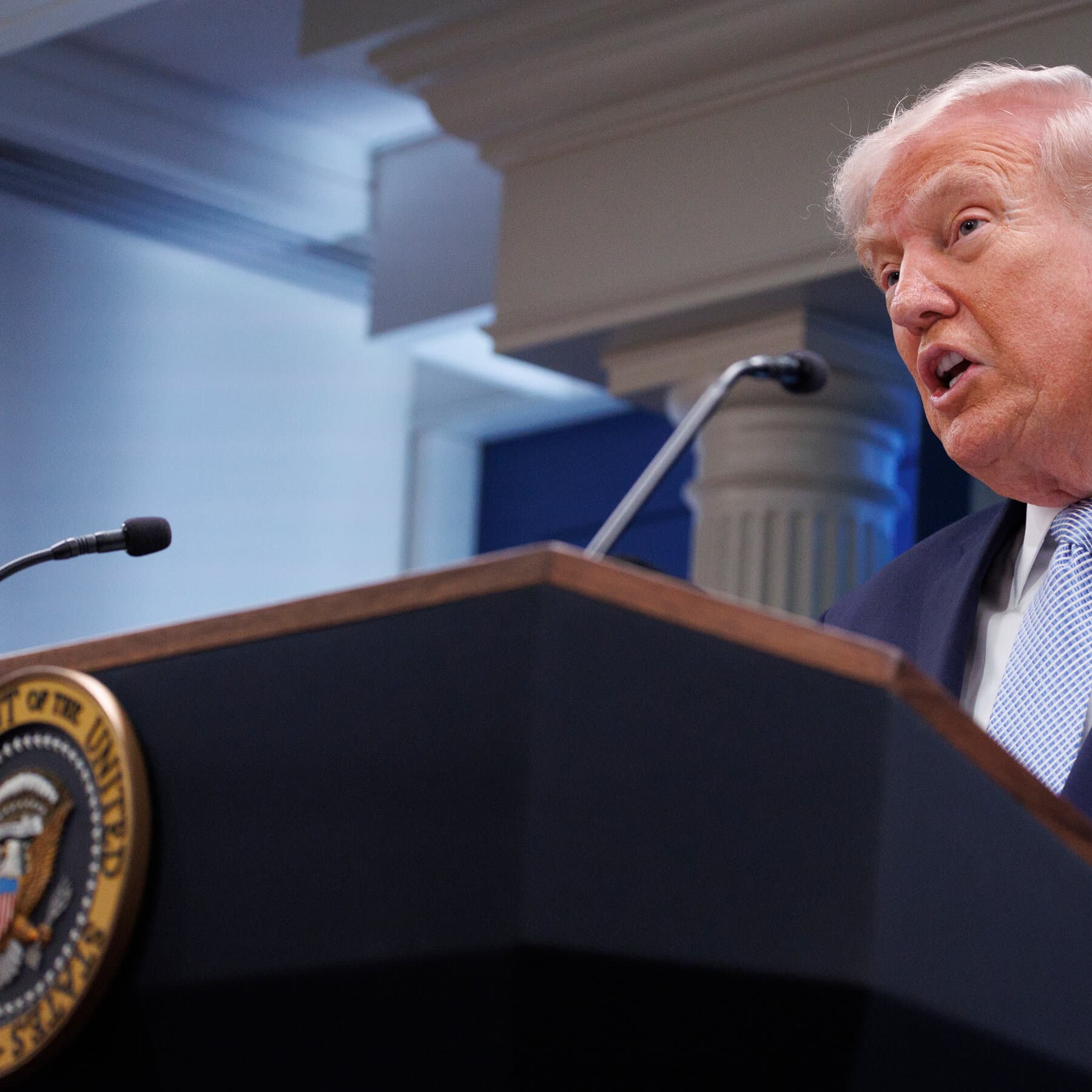
- On April 7, 2026, President Trump issued an ultimatum to Iran to lift its blockade of the Strait of Hormuz or face military action.
- Just before the deadline, Trump announced a two-week ceasefire, leading to a sharp decline in oil prices and a rally in global stock markets.
- The ceasefire was prompted by escalating tensions in the region, particularly following Iranian attacks on Gulf allies and a failed proposal from Iran.
The context you actually need
- The Strait of Hormuz is a critical chokepoint for global oil supply, with approximately 20% of the world's oil passing through it.
- Iran's blockade was part of a broader conflict involving the U.S., Israel, and Iran, which escalated earlier in 2026.
- Market volatility was exacerbated by fears of a prolonged conflict, with oil prices reaching $111 per barrel prior to the ceasefire announcement.
What's really happening
The situation surrounding the Strait of Hormuz is emblematic of the complex interplay between geopolitical tensions and global energy markets. The ultimatum issued by President Trump was not merely a reaction to Iran's blockade but a calculated move to assert U.S. influence in a volatile region. By threatening military action, Trump aimed to pressure Iran into compliance, thereby stabilizing oil supply routes critical to the global economy.
The immediate market reaction to the ceasefire announcement illustrates the interconnectedness of geopolitical events and financial markets. Oil prices, which had surged due to fears of conflict, plummeted following the announcement, with West Texas Intermediate crude futures dropping by 18% to $92.60 per barrel. This volatility reflects investor sentiment, which is highly sensitive to geopolitical developments. The initial spike in oil prices was driven by concerns over supply disruptions, while the subsequent decline indicates a collective sigh of relief from investors who had feared a prolonged military engagement.
The ceasefire also opened the door for negotiations, with talks mediated in Pakistan, suggesting a potential pathway to de-escalation. However, the situation remains precarious. Iran's defiance and the U.S. administration's insistence on a favorable deal highlight the ongoing tensions that could resurface at any moment. The geopolitical landscape is further complicated by the involvement of other regional players and the potential for retaliatory actions.
For investors, the implications are clear: energy prices will remain volatile as long as tensions persist. The immediate market relief following the ceasefire may be short-lived if negotiations stall or if Iran resumes aggressive actions. Additionally, the broader implications for global equities are significant. The Dubai Financial Market, for instance, surged by 8.5% following the ceasefire, marking its largest intraday gain since 2014. This highlights how regional markets can react sharply to geopolitical developments, impacting local economies and investment strategies.
Who feels it first (and how)
- Energy sector professionals: Fluctuations in oil prices directly impact revenues and operational strategies.
- Global investors: Market volatility affects portfolio valuations and risk assessments.
- Residents of the UAE and Gulf states: Economic stability is tied to energy prices and regional security, influencing everyday life and business operations.
What to watch next
- Negotiation outcomes: The success or failure of talks mediated in Pakistan will significantly influence market stability and investor confidence.
- Iran's military actions: Any resurgence of hostilities or aggressive posturing from Iran could lead to renewed market volatility.
- Global oil prices: Watch for fluctuations in Brent crude and West Texas Intermediate prices as they reflect ongoing geopolitical tensions.
The ceasefire has temporarily stabilized oil prices and boosted global stock markets.
Continued negotiations will shape the future of U.S.-Iran relations and regional stability.
The long-term impact on energy markets and geopolitical dynamics remains uncertain, especially if tensions escalate again.
Frequently Asked Questions
- Why it matters?
- The ultimatum and subsequent ceasefire have significant implications for global energy markets and investor confidence.
- What happened (in 30 seconds)?
- On April 7, 2026, President Trump issued an ultimatum to Iran to lift its blockade of the Strait of Hormuz or face military action. Just before the deadline, Trump announced a two-week ceasefire, leading to a sharp decline in oil prices and a rally in global stock markets. The ceasefire was prompted by escalating tensions in the region, particularly following Iranian attacks on Gulf allies and a failed proposal from Iran.
- What's really happening?
- The situation surrounding the Strait of Hormuz is emblematic of the complex interplay between geopolitical tensions and global energy markets. The ultimatum issued by President Trump was not merely a reaction to Iran's blockade but a calculated move to assert U.S. influence in a volatile region. By threatening military action, Trump aimed to pressure Iran into compliance, thereby stabilizing oil supply routes critical to the global economy. The immediate market reaction to the ceasefire announc
- Who feels it first (and how)?
- Energy sector professionals: Fluctuations in oil prices directly impact revenues and operational strategies. Global investors: Market volatility affects portfolio valuations and risk assessments. Residents of the UAE and Gulf states: Economic stability is tied to energy prices and regional security, influencing everyday life and business operations.
- What to watch next?
- Negotiation outcomes: The success or failure of talks mediated in Pakistan will significantly influence market stability and investor confidence. Iran's military actions: Any resurgence of hostilities or aggressive posturing from Iran could lead to renewed market volatility. Global oil prices: Watch for fluctuations in Brent crude and West Texas Intermediate prices as they reflect ongoing geopolitical tensions.
Markets desk coverage, trading insights, and investor updates.
"WSJ’s markets reporting provides in-depth analysis and context for investors."
— A47 Editor
Traders Are Racing to Place Their Bets Ahead of Trump’s Iran Deadline
Investors are bracing for potential outcomes as President Trump has set a deadline for Iran to reopen the Strait of Hormuz, a crucial maritime route for global oil shipments, by 8:00 p.m. ET on Tuesday. This ultimatum has led to increased volatility ...
Markets, economy, and company analysis from NYT’s business desk.
"The New York Times is a globally recognized newspaper offering authoritative reporting with a center-left editorial stance."
— A47 Editor
Markets on Edge as Trump’s Iran Ultimatum Looms
Oil prices are rising and stock markets are experiencing volatility as President Trump intensifies threats against Iran, warning of severe consequences if his demands are not met. Investors are reacting to the uncertainty surrounding potential milita...
Corporate news, economic trends, and markets with UK and global scope.
"BBC News is widely regarded as reputable and impartial, with a public service mandate."
— A47 Editor
Oil price fluctuates ahead of Trump's Iran deal deadline
Oil prices are experiencing fluctuations as President Donald Trump has issued severe threats against Iran, warning that the U.S. could destroy the country 'in one night' if Tehran does not agree to reopen the Strait of Hormuz by the impending deadlin...
Business, markets, economy, and corporate news with strong UAE and regional relevance.
"Emirates 24|7 business coverage tends to center UAE markets, property, regulation, and regional economic developments."
— A47 Editor
Stocks stumble, oil above $110 as Trump's Iran deadline nears Stocks stumble, oil above $110 as Trump's Iran deadline nears
Global stock markets experienced fluctuations while oil prices remained above $110 per barrel as tensions escalated in the U.S.-Israel conflict with Iran, coinciding with a deadline set by President Trump for a potential deal. Investors are adopting ...