
NASA's Artemis II Crew Experiences Planned Communications Blackout During Lunar Flyby
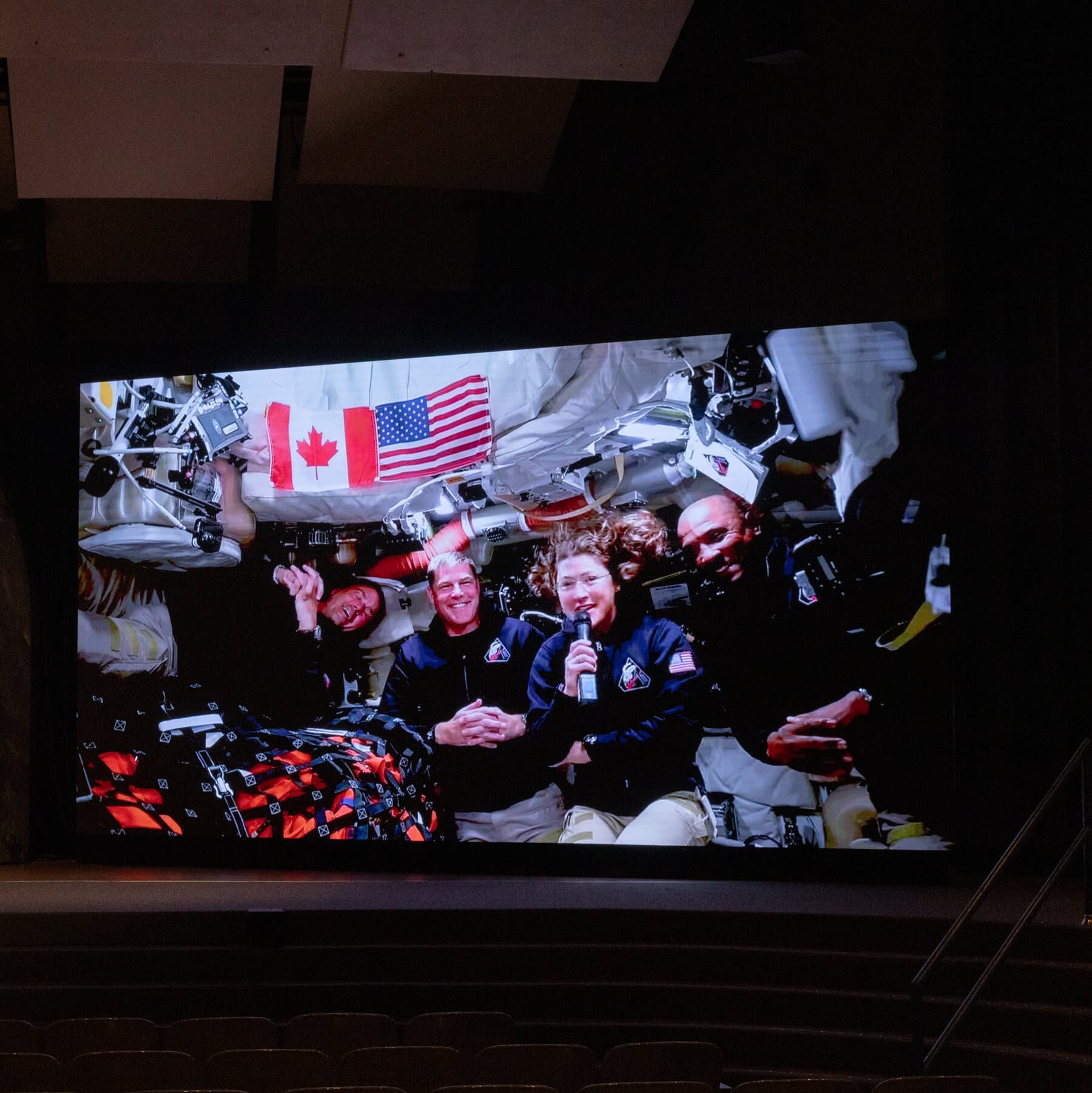
Here's what it means for you.
As humanity pushes the boundaries of space exploration, understanding the implications of communication challenges during missions can inform future technological investments and strategic partnerships.
Why it matters
The Artemis II mission is a critical step in establishing sustainable human presence on the Moon, impacting global space policy and international cooperation.
What happened (in 30 seconds)
- On April 6, 2026, NASA's Artemis II crew experienced a planned 40-minute communications blackout as the Orion spacecraft passed behind the Moon.
- The crew, consisting of Reid Wiseman, Victor Glover, Christina Koch, and Jeremy Hansen, successfully tested life support systems and achieved a record distance of 252,756 miles from Earth.
- Communications were restored without incident, and the crew continued their mission, with splashdown scheduled for April 10, 2026.
The context you actually need
- Artemis II is the first crewed mission of NASA's Artemis program, following the uncrewed Artemis I mission in 2022, aimed at sustainable lunar exploration.
- The Orion spacecraft, launched from Kennedy Space Center, follows a free-return trajectory, ensuring crew safety even during communication blackouts.
- International partnerships under the Artemis Accords emphasize collaboration in space exploration, with countries like Canada participating in crewed missions.
What's really happening
The Artemis II mission marks a significant milestone in NASA's broader Artemis program, which aims to establish a sustainable human presence on the Moon and eventually facilitate missions to Mars. The planned communications blackout, while concerning at first glance, was anticipated by NASA and is a testament to the mission's design and planning. The Orion spacecraft's free-return trajectory ensures that even without communication, the crew is on a safe path back to Earth.
During the blackout, the crew was able to conduct critical observations of the lunar surface, including a 53-minute solar eclipse and meteor impacts. This data is invaluable for future missions and enhances our understanding of lunar geology and potential resources. The mission also serves as a platform for testing life support systems and personal devices, crucial for long-duration space travel.
The achievement of reaching 252,756 miles from Earth not only surpasses the Apollo 13 record but also highlights the technological advancements made since the Apollo era. This distance is significant as it demonstrates the capabilities of current spacecraft and the potential for future exploration beyond the Moon.
The successful restoration of communication post-blackout indicates robust systems in place to handle such scenarios, reinforcing confidence in NASA's mission control and operational protocols. The crew's inspirational messages and observations shared during the mission serve to engage the public and foster interest in space exploration.
As nations increasingly recognize the strategic importance of space, the Artemis program is positioned to enhance international collaboration and competition in the field. The UAE's Mohammed Bin Rashid Space Centre, as a signatory of the Artemis Accords, is closely monitoring the mission, reflecting the global interest in lunar exploration and the potential for partnerships in future space endeavors.
Who feels it first (and how)
- Space agencies: National space organizations will analyze the mission's outcomes to inform their own exploration strategies.
- Private sector companies: Businesses involved in aerospace technology and satellite communications may see increased demand for innovations that enhance communication reliability in space.
- Educational institutions: Universities and research organizations focusing on space sciences will benefit from the data and findings generated by the Artemis II mission.
What to watch next
- Future Artemis missions: The success of Artemis II will set the stage for subsequent missions, including Artemis III, which aims to land astronauts on the lunar surface. This will be crucial for assessing the viability of long-term lunar habitation.
- Technological advancements: Innovations in communication technologies developed for Artemis II could influence future missions and commercial spaceflight, impacting investment in aerospace sectors.
- International collaborations: Watch for announcements regarding new partnerships or agreements under the Artemis Accords, which may shape the landscape of global space exploration.
The communications blackout was planned and anticipated by NASA, ensuring crew safety.
Future missions will incorporate lessons learned from Artemis II, particularly regarding communication systems and mission protocols.
The long-term implications of Artemis II on international space policy and partnerships remain to be fully understood.
Frequently Asked Questions
- Why it matters?
- The Artemis II mission is a critical step in establishing sustainable human presence on the Moon, impacting global space policy and international cooperation.
- What happened (in 30 seconds)?
- On April 6, 2026, NASA's Artemis II crew experienced a planned 40-minute communications blackout as the Orion spacecraft passed behind the Moon. The crew, consisting of Reid Wiseman, Victor Glover, Christina Koch, and Jeremy Hansen, successfully tested life support systems and achieved a record distance of 252,756 miles from Earth. Communications were restored without incident, and the crew continued their mission, with splashdown scheduled for April 10, 2026.
- What's really happening?
- The Artemis II mission marks a significant milestone in NASA's broader Artemis program, which aims to establish a sustainable human presence on the Moon and eventually facilitate missions to Mars. The planned communications blackout, while concerning at first glance, was anticipated by NASA and is a testament to the mission's design and planning. The Orion spacecraft's free-return trajectory ensures that even without communication, the crew is on a safe path back to Earth. During the blackout,
- Who feels it first (and how)?
- Space agencies: National space organizations will analyze the mission's outcomes to inform their own exploration strategies. Private sector companies: Businesses involved in aerospace technology and satellite communications may see increased demand for innovations that enhance communication reliability in space. Educational institutions: Universities and research organizations focusing on space sciences will benefit from the data and findings generated by the Artemis II mission.
- What to watch next?
- Future Artemis missions: The success of Artemis II will set the stage for subsequent missions, including Artemis III, which aims to land astronauts on the lunar surface. This will be crucial for assessing the viability of long-term lunar habitation. Technological advancements: Innovations in communication technologies developed for Artemis II could influence future missions and commercial spaceflight, impacting investment in aerospace sectors. International collaborations: Watch for announce
Major U.S. developments and regional news.
"ABC News delivers broad national coverage with a mainstream editorial stance, focusing on accessibility and balanced reporting."
— A47 Editor
Artemis II breaks Apollo 13’s distance record with daring moon flyby that included a solar eclipse
NASA's Artemis II mission successfully completed a historic lunar flyby on April 6, 2026, breaking the distance record previously held by Apollo 13. The crew aboard the Orion spacecraft traveled farther from Earth than any humans in history, achievin...
Scientific research, space, environment, and health coverage.
"The New York Times is a globally recognized newspaper offering authoritative reporting with a center-left editorial stance."
— A47 Editor
As the astronauts lose contact with Earth, NASA isn’t worried.
NASA's Artemis II mission has successfully launched, with four astronauts aboard the Orion spacecraft, embarking on a journey around the Moon. As they travel, the crew will experience a radio blackout for approximately 40 minutes while passing behind...
Conservative-leaning coverage of current events.
"Fox News is a highly influential conservative news outlet known for right-leaning political commentary and coverage."
— A47 Editor
Artemis astronauts enter eerie 40-minute communication blackout on Moon’s far side
The Artemis II crew officially entered a historic communication blackout on April 6, 2026, as their spacecraft passed behind the Moon's far side, marking a significant milestone in human space exploration. This blackout lasted for approximately 40 mi...
Scientific breakthroughs and research updates.
"Fox News is a highly influential conservative news outlet known for right-leaning political commentary and coverage."
— A47 Editor
Artemis astronauts enter eerie 40-minute communication blackout on Moon’s far side
The Artemis II crew officially entered a historic communication blackout on April 6, 2026, as their spacecraft passed behind the Moon's far side, marking a significant milestone in human space exploration. This blackout lasted for approximately 40 mi...
Scientific research, space, environment, and health coverage.
"The New York Times is a globally recognized newspaper offering authoritative reporting with a center-left editorial stance."
— A47 Editor
How to Follow NASA’s Artemis II Around the Far Side of the Moon
NASA's Artemis II mission successfully launched on April 1, 2026, marking the first crewed flight to the Moon in over 50 years. The astronauts aboard the Orion spacecraft are set to experience a communications blackout as they travel around the far s...
Reports on climate change, environmental science, sustainability, and nature.
"BBC News is widely regarded as a reputable international news organization, known for its impartial tone and public service mandate."
— A47 Editor
What's on the far side of the Moon?
NASA's Artemis II mission has successfully launched and is currently on a looping path around the far side of the Moon, marking a significant milestone as the first crewed lunar expedition since the Apollo era. The mission, which began on April 1, 20...
Breaking news, politics, business, and entertainment from the U.S. and around the world.
"The New York Post is a tabloid-format newspaper known for its sensationalist headlines and conservative-leaning editorial tone."
— A47 Editor
Artemis astronauts will face a terrifying 40-minute blackout during journey around the dark side of the moon: ‘Let’s pray’
Astronauts on the Artemis II mission are set to experience a daunting 40-minute blackout while traveling around the moon's dark side, raising concerns about communication and safety during this critical phase of their journey.
Reports on climate change, environmental science, sustainability, and nature.
"BBC News is widely regarded as a reputable international news organization, known for its impartial tone and public service mandate."
— A47 Editor
'We might look at the far side of the moon, and then change our socks'
The Artemis II astronauts, during a series of interviews, shared insights about their experiences in space following the mission's launch on April 1, 2026. This mission marks the first crewed lunar flight in over 50 years, with the crew currently on ...
International coverage of politics, culture, and current affairs.
"BBC News is widely regarded as a reputable international news organization, known for its impartial tone and public service mandate."
— A47 Editor
The 40 minutes when the Artemis crew loses contact with the Earth
During NASA's Artemis II mission, astronauts will experience a 40-minute period of silence as they pass behind the Moon, losing contact with Earth. This moment highlights the challenges of deep space exploration, where communication can be temporaril...
Reports on climate change, environmental science, sustainability, and nature.
"BBC News is widely regarded as a reputable international news organization, known for its impartial tone and public service mandate."
— A47 Editor
The 40 minutes when the Artemis crew loses contact with the Earth
During NASA's Artemis II mission, astronauts will experience a 40-minute period of silence as they pass behind the Moon, losing contact with Earth. This moment highlights the challenges of deep space exploration, where communication can be temporaril...
Reports on climate change, environmental science, sustainability, and nature.
"BBC News is widely regarded as a reputable international news organization, known for its impartial tone and public service mandate."
— A47 Editor
'Absolutely spectacular': Artemis II crew see first glimpse of far side of Moon
The Artemis II mission, which launched on April 1, 2026, has successfully entered its third day, with astronauts aboard the Orion spacecraft witnessing their first view of the far side of the Moon. This historic mission marks the first crewed lunar f...
International coverage of politics, culture, and current affairs.
"BBC News is widely regarded as a reputable international news organization, known for its impartial tone and public service mandate."
— A47 Editor
'Absolutely spectacular': Artemis II crew see first glimpse of far side of Moon
The Artemis II mission, which launched on April 1, 2026, has successfully entered its third day, with astronauts aboard the Orion spacecraft witnessing their first view of the far side of the Moon. This historic mission marks the first crewed lunar f...