
Trump Issues Ultimatum to Iran Over Strait of Hormuz Access Amid Ongoing Conflict
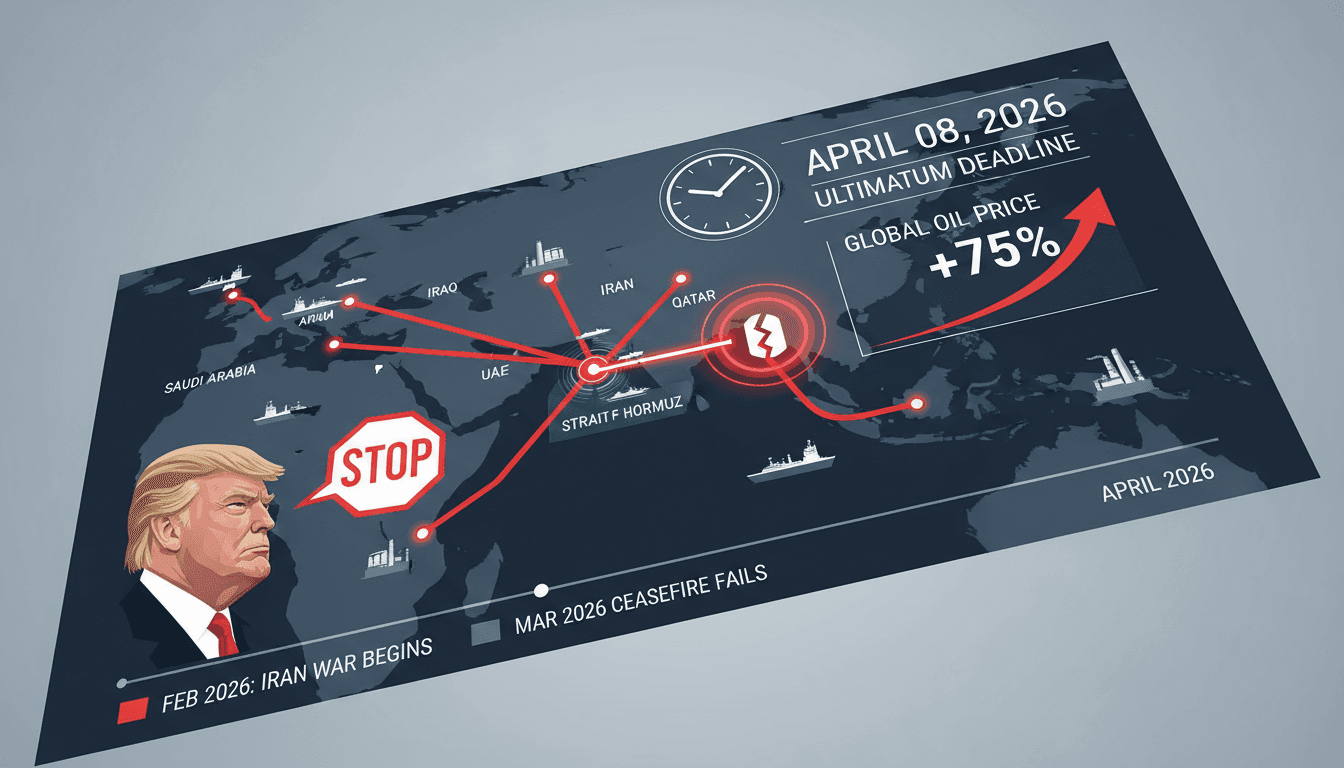
Here's what it means for you.
Rising energy prices could impact your daily costs and travel expenses.
Why it matters
The Strait of Hormuz is a critical chokepoint for global oil and gas supplies, making disruptions here a significant concern for economies worldwide.
What happened (in 30 seconds)
- On April 5, 2026, President Trump issued an ultimatum to Iran demanding unrestricted vessel transit through the Strait of Hormuz by April 8, threatening military action if ignored.
- Since late February 2026, the U.S.-Iran war has escalated, with Iranian forces restricting maritime access, leading to global energy price surges.
- Iran has rejected ceasefire offers, maintaining its stance against U.S. and Israeli vessels, further complicating the situation.
The context you actually need
- The Strait of Hormuz is a vital maritime route, facilitating the transit of approximately 20 million barrels of oil daily, which is about one-fifth of global liquefied natural gas supplies.
- The ongoing U.S.-Iran war, which began on February 28, 2026, has seen Iranian forces retaliate against U.S. and Israeli strikes by deploying mines, drones, and missiles to restrict vessel movements.
- Trump's ultimatum follows multiple extensions of earlier demands, reflecting a complex interplay of military action, diplomatic negotiations, and energy market volatility.
What's really happening
The Strait of Hormuz serves as a critical artery for global energy supplies, with approximately 20 million barrels of oil and products transiting daily. The current geopolitical tensions stem from a series of escalations beginning with U.S. and Israeli military operations targeting Iranian infrastructure, which commenced on February 28, 2026. These actions have prompted Iran to respond aggressively, employing tactics such as mine-laying and missile strikes to restrict maritime access, particularly for U.S. and Israeli vessels.
President Trump's ultimatum on April 5, 2026, represents a significant escalation in this conflict. By demanding unrestricted vessel transit by April 8, he is leveraging military threats to compel Iran to comply. The ultimatum's timing is critical, as it follows a series of failed ceasefire negotiations and ongoing Israeli strikes on Iranian facilities, including the South Pars gas field. The Iranian government has dismissed the ultimatum as a sign of desperation, asserting that the strait will not return to its previous operational status.
The implications of this standoff are profound. Should Iran continue to restrict access to the Strait of Hormuz, global energy markets will likely experience further volatility. Oil prices have already surged above $110 per barrel, with U.S. gasoline prices averaging $4.11 per gallon, an increase of 86 cents in just a month. This surge in energy costs is expected to ripple through various sectors, impacting everything from transportation to consumer goods.
Moreover, the United Arab Emirates (UAE) has expressed support for a multinational force to ensure navigation guarantees in the strait, indicating a broader regional concern about the stability of energy supplies. The UAE's endorsement of U.S. military intervention underscores the strategic importance of the strait for Gulf economies, which are heavily reliant on oil exports.
As the April 8 deadline approaches, the potential for military action looms large, which could further destabilize the region and exacerbate global energy crises. The situation remains fluid, with ongoing negotiations and military engagements likely to shape the outcome.
Who feels it first (and how)
- Consumers: Rising fuel prices directly impact household budgets and travel costs.
- Airlines: Anticipated fuel shortages may lead to increased ticket prices and reduced flight availability.
- Energy Sector: Oil and gas companies face heightened operational risks and fluctuating market conditions.
- Regional Economies: Countries reliant on oil exports may experience economic strain due to disrupted supply chains.
What to watch next
- Iran's Response: How Iran reacts to the ultimatum will be crucial; continued restrictions could lead to further military escalation.
- Global Oil Prices: Watch for fluctuations in oil prices, which may indicate market reactions to developments in the Strait of Hormuz.
- International Diplomatic Efforts: The effectiveness of multinational negotiations to stabilize the situation will be key in determining future access to the strait.
The Strait of Hormuz is a critical chokepoint for global energy supplies.
Continued volatility in oil prices as tensions escalate and military actions unfold.
The outcome of ongoing negotiations and whether a ceasefire can be achieved.
Frequently Asked Questions
- Why it matters?
- The Strait of Hormuz is a critical chokepoint for global oil and gas supplies, making disruptions here a significant concern for economies worldwide.
- What happened (in 30 seconds)?
- On April 5, 2026, President Trump issued an ultimatum to Iran demanding unrestricted vessel transit through the Strait of Hormuz by April 8, threatening military action if ignored. Since late February 2026, the U.S.-Iran war has escalated, with Iranian forces restricting maritime access, leading to global energy price surges. Iran has rejected ceasefire offers, maintaining its stance against U.S. and Israeli vessels, further complicating the situation.
- What's really happening?
- The Strait of Hormuz serves as a critical artery for global energy supplies, with approximately 20 million barrels of oil and products transiting daily. The current geopolitical tensions stem from a series of escalations beginning with U.S. and Israeli military operations targeting Iranian infrastructure, which commenced on February 28, 2026. These actions have prompted Iran to respond aggressively, employing tactics such as mine-laying and missile strikes to restrict maritime access, particular
- Who feels it first (and how)?
- Consumers: Rising fuel prices directly impact household budgets and travel costs. Airlines: Anticipated fuel shortages may lead to increased ticket prices and reduced flight availability. Energy Sector: Oil and gas companies face heightened operational risks and fluctuating market conditions. Regional Economies: Countries reliant on oil exports may experience economic strain due to disrupted supply chains.
- What to watch next?
- Iran's Response: How Iran reacts to the ultimatum will be crucial; continued restrictions could lead to further military escalation. Global Oil Prices: Watch for fluctuations in oil prices, which may indicate market reactions to developments in the Strait of Hormuz. International Diplomatic Efforts: The effectiveness of multinational negotiations to stabilize the situation will be key in determining future access to the strait.
Conservative-leaning coverage of current events.
"Fox News is a highly influential conservative news outlet known for right-leaning political commentary and coverage."
— A47 Editor
Why the Strait of Hormuz matters as Trump issues fresh ultimatum to Iran
President Donald Trump has issued a fresh ultimatum to Iran, demanding the reopening of the Strait of Hormuz to all vessels within a self-imposed deadline or face military strikes. This comes as global prices for oil, gas, diesel, and jet fuel contin...
Covers blockchain, cryptocurrency news, project analysis, and market insights.
"Cointelegraph is a leading crypto-focused media outlet known for timely news, analysis, and educational content related to blockchain and digital assets."
— A47 Editor
Trump-Iran deadline chaos sends crypto higher while ceasefire hopes rise
U.S. President Donald Trump has issued a stark warning to Iran, suggesting that failure to negotiate could lead to severe consequences, including the reopening of the strategically vital Strait of Hormuz. This ultimatum comes amid rising tensions and...
Global markets, investing, and macroeconomics from a premier financial newsroom.
"Bloomberg is respected for in-depth financial reporting and data-driven analysis."
— A47 Editor
Oil Edges Up as Trump Iran Threats Outweigh Higher Hormuz Flows
Oil prices have edged up as President Donald Trump has signaled a potential escalation in military action against Iran, with threats of strikes that could begin as soon as Tuesday. This development raises concerns about the stability of energy flows ...