
Marine Traffic Resumes in Strait of Hormuz After US-Iran Ceasefire Agreement
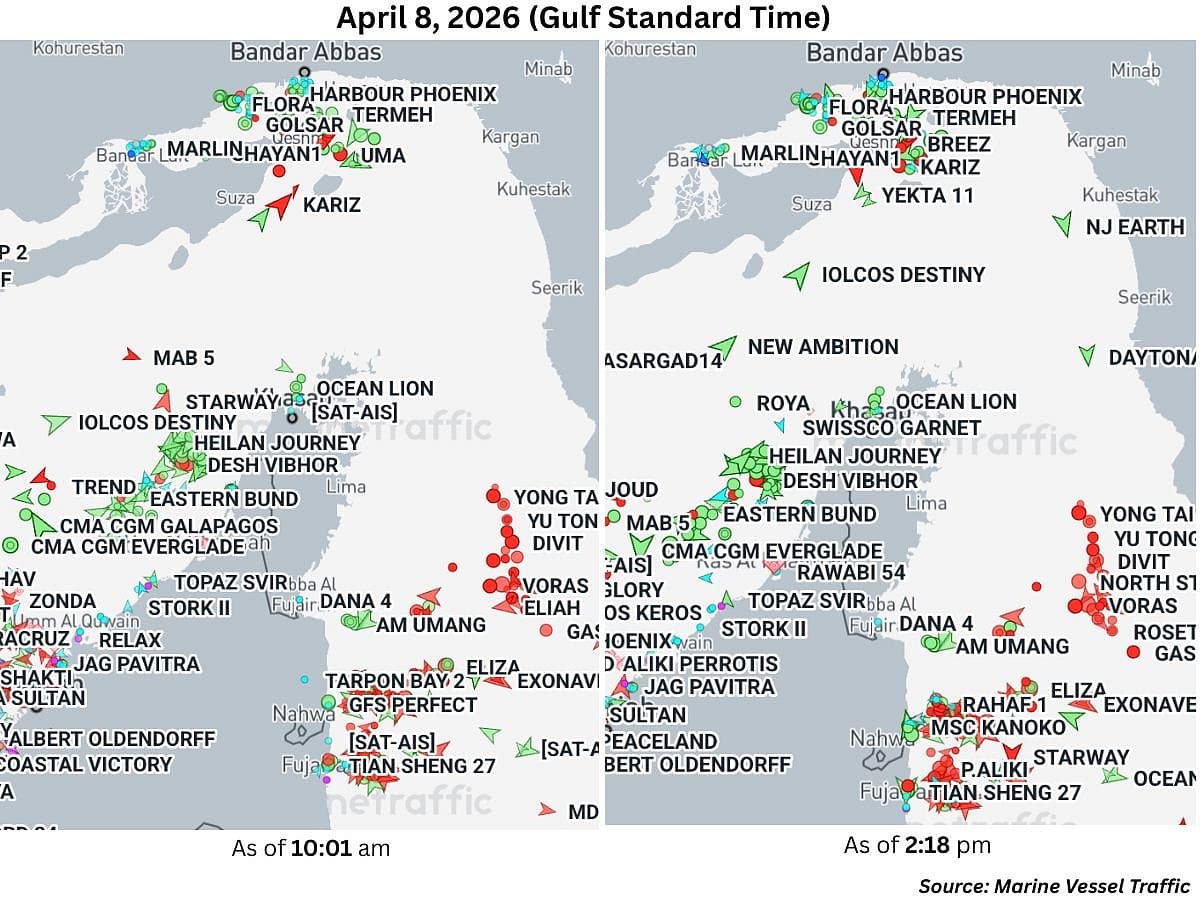
Here's what it means for you.
If you're in the energy sector or rely on global shipping, the recent ceasefire could stabilize oil prices and improve supply chains.
Why it matters
The Strait of Hormuz is a critical chokepoint for global oil transport, and disruptions here can ripple through economies worldwide.
What happened (in 30 seconds)
- Marine traffic resumed in the Strait of Hormuz on April 8, 2026, following a two-week ceasefire agreement between the US and Iran.
- Iran agreed to coordinate safe passage for vessels in exchange for a suspension of US military strikes, addressing a blockade that had reduced shipping by 95%.
- Initial vessel movements surged post-10:00 a.m. GST, but overall traffic remains below pre-crisis levels due to operator caution.
The context you actually need
- The blockade began on March 1, 2026, following a series of US-Israel airstrikes that killed Iran's Supreme Leader, leading to significant disruptions in global oil flows.
- During the blockade, daily maritime traffic plummeted from approximately 130 ships to just 6, severely impacting global oil supply and prices.
- The ceasefire was mediated by Pakistan and was announced just before a US ultimatum deadline, highlighting the urgency of the situation for global markets.
What's really happening
The resumption of marine traffic in the Strait of Hormuz is a pivotal moment in a complex geopolitical landscape that has seen escalating tensions between the US and Iran. The ceasefire agreement, which came into effect on April 8, 2026, is a direct response to a crisis that began with the US-Israel airstrikes on February 28, 2026, which killed Iran's Supreme Leader Ali Khamenei. This act of aggression triggered a swift and severe Iranian response, including missile strikes and a blockade of the Strait of Hormuz, a vital artery for global oil transport.
The blockade, enforced by the Islamic Revolutionary Guard Corps (IRGC), led to a staggering 95% decline in maritime traffic through the strait, affecting around 20 million barrels of oil per day—20% of global oil flows. This disruption not only caused immediate spikes in oil prices but also created significant backlogs in shipping, with over 150 vessels waiting to transit the strait.
The ceasefire agreement is conditional, with Iran pledging to coordinate safe passage for vessels while the US suspends its military strikes. This delicate balance aims to restore some level of normalcy to maritime operations, though initial traffic levels remain cautious. The surge in vessel movements observed shortly after the ceasefire indicates a pent-up demand for shipping, but operators are still wary due to the potential for renewed hostilities.
The implications of this ceasefire extend beyond immediate maritime logistics. For energy-dependent economies, particularly in the Gulf region, the stabilization of oil prices is crucial. The UAE, for instance, faced heightened fuel costs and supply chain disruptions during the blockade, which affected local businesses and consumers alike. The resumption of traffic is expected to alleviate some of these pressures, allowing for a more stable economic environment.
However, the situation remains fluid. Iran's commitment to the ceasefire is uncertain, especially in light of recent drone attacks on Kuwaiti facilities attributed to Iranian forces. The US and its allies, including Israel, are closely monitoring these developments, as any escalation could quickly reverse the gains made from the ceasefire.
Who feels it first (and how)
- Shipping companies: They will experience immediate changes in operational logistics and costs as traffic resumes.
- Energy sector professionals: Oil traders and analysts will be closely watching price fluctuations and supply chain stability.
- Consumers in the Gulf: Residents may see changes in fuel prices and availability as supply chains normalize.
- Investors: Stock markets may react positively to the stabilization of oil prices, impacting portfolios globally.
What to watch next
- Iran's adherence to the ceasefire: Continued compliance will be crucial for maintaining stability in maritime operations and oil prices.
- US response to Iranian provocations: Any military action or threats could disrupt the fragile peace and impact global oil markets.
- Global oil price trends: Watch for fluctuations in Brent crude prices as markets react to the resumption of traffic and broader geopolitical developments.
The ceasefire has led to a cautious resumption of maritime traffic in the Strait of Hormuz.
Oil prices may stabilize as shipping operations normalize, benefiting energy-dependent economies.
The long-term sustainability of the ceasefire and its impact on regional security dynamics.
Frequently Asked Questions
- Why it matters?
- The Strait of Hormuz is a critical chokepoint for global oil transport, and disruptions here can ripple through economies worldwide.
- What happened (in 30 seconds)?
- Marine traffic resumed in the Strait of Hormuz on April 8, 2026, following a two-week ceasefire agreement between the US and Iran. Iran agreed to coordinate safe passage for vessels in exchange for a suspension of US military strikes, addressing a blockade that had reduced shipping by 95%. Initial vessel movements surged post-10:00 a.m. GST, but overall traffic remains below pre-crisis levels due to operator caution.
- What's really happening?
- The resumption of marine traffic in the Strait of Hormuz is a pivotal moment in a complex geopolitical landscape that has seen escalating tensions between the US and Iran. The ceasefire agreement, which came into effect on April 8, 2026, is a direct response to a crisis that began with the US-Israel airstrikes on February 28, 2026, which killed Iran's Supreme Leader Ali Khamenei. This act of aggression triggered a swift and severe Iranian response, including missile strikes and a blockade of the
- Who feels it first (and how)?
- Shipping companies: They will experience immediate changes in operational logistics and costs as traffic resumes. Energy sector professionals: Oil traders and analysts will be closely watching price fluctuations and supply chain stability. Consumers in the Gulf: Residents may see changes in fuel prices and availability as supply chains normalize. Investors: Stock markets may react positively to the stabilization of oil prices, impacting portfolios globally.
- What to watch next?
- Iran's adherence to the ceasefire: Continued compliance will be crucial for maintaining stability in maritime operations and oil prices. US response to Iranian provocations: Any military action or threats could disrupt the fragile peace and impact global oil markets. Global oil price trends: Watch for fluctuations in Brent crude prices as markets react to the resumption of traffic and broader geopolitical developments.
UAE-based newspaper covering Gulf politics, society, and international developments.
"Gulf News is one of the UAE’s most prominent English-language publications."
— A47 Editor
All eyes on Hormuz Strait: Marine traffic starting to move as two-week ceasefire kicks in
A two-week ceasefire has been announced, allowing marine traffic to resume in the strategically vital Strait of Hormuz, a key maritime passage for global oil shipments. This development follows escalating tensions in the region, particularly between ...
A curated Gulf News feed featuring major stories across news, business, opinion, and lifestyle.
"Gulf News is a major UAE newspaper whose featured stories feed reflects a broad editorial mix shaped for a Gulf audience."
— A47 Editor
All eyes on Hormuz Strait: Marine traffic starting to move as two-week ceasefire kicks in
A two-week ceasefire has been announced, allowing marine traffic to resume in the strategically vital Strait of Hormuz, a key maritime passage for global oil shipments. This development follows escalating tensions in the region, particularly between ...
Pan-Arab news coverage spanning politics, business, sports, and regional affairs.
"Asharq Al-Awsat reflects a broad Arab editorial perspective with strong attention to regional geopolitics."
— A47 Editor
استئناف الحركة في مضيق هرمز عقب وقف إطلاق النار
Two ships crossed the Strait of Hormuz on Wednesday, following Iran's agreement to reopen the waterway as part of a ceasefire deal with the United States. This development marks a significant step towards easing tensions in the region, which has been...
Arabic-language economic and business reporting with strong UAE market relevance.
"Emarat Al Youm business coverage often centers UAE property, banking, consumer issues, and economic policy."
— A47 Editor
800 سفينة تنتظرالملاحة عبر مضيق هرمز 800 سفينة تنتظرالملاحة عبر مضيق هرمز
A total of 800 ships are preparing to transit through the Strait of Hormuz, following the announcement of its reopening after a ceasefire agreement between the United States and Iran. This development marks a significant moment in regional maritime a...
Arabic-language UAE newspaper coverage focused on domestic affairs, public institutions, business, society, and regional developments.
"Al Khaleej coverage generally reflects a mainstream UAE editorial lens with strong attention to public affairs, institutions, and regional developments."
— A47 Editor
«مارين ترافيك»: استئناف حركة الملاحة في مضيق هرمز
Two ships have successfully crossed the Strait of Hormuz following Iran's agreement to reopen the waterway as part of a ceasefire agreement with the United States. This development marks a significant step towards easing tensions in the region and re...