
Trump Criticizes NATO as Disappointing Amid Iran Conflict Tensions
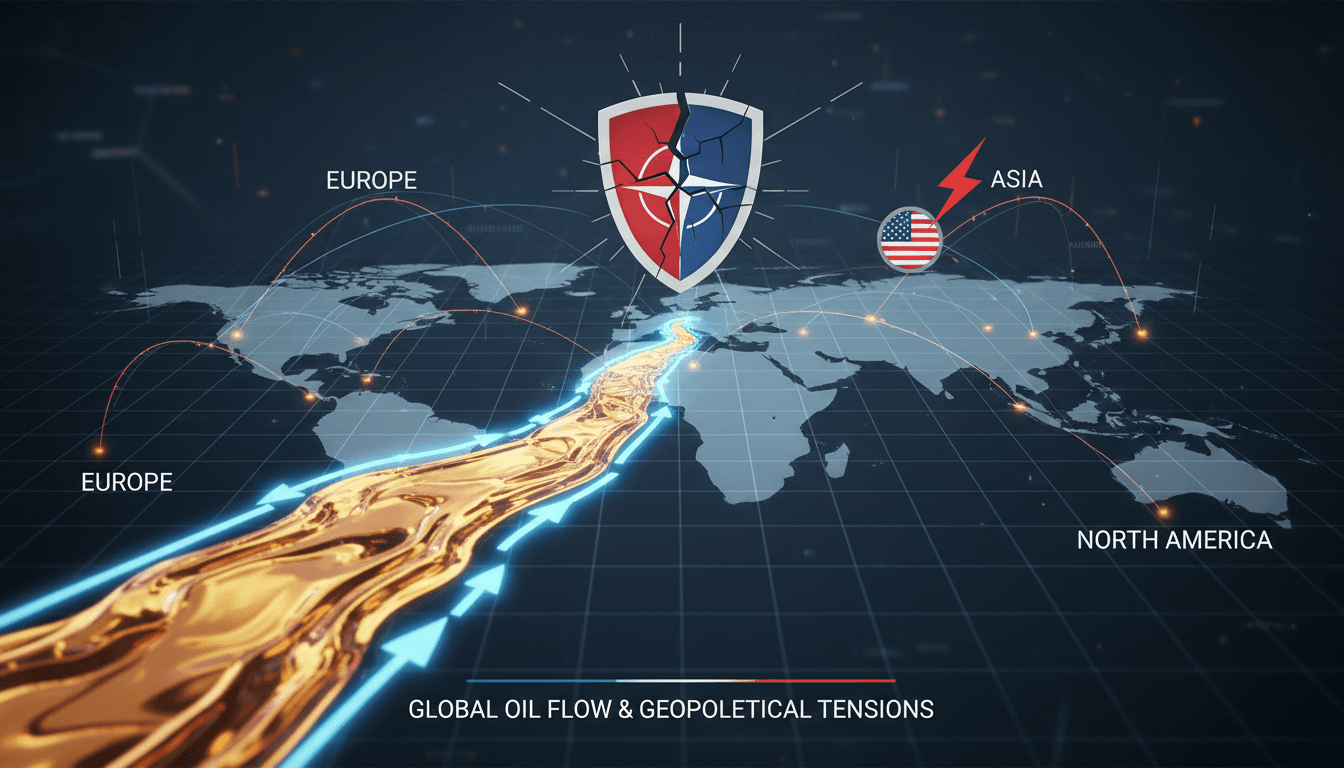
Here's what it means for you.
As geopolitical tensions rise, your business could face increased operational costs and supply chain disruptions.
Why it matters
The U.S. criticism of NATO could reshape global alliances and impact energy markets, affecting your bottom line.
What happened (in 30 seconds)
- Trump criticized NATO as "very disappointing" in a Truth Social post, citing a lack of support for U.S. actions in the Iran conflict.
- Mark Rutte met with Trump on April 8, where Trump expressed clear disappointment over NATO's defensive stance.
- Rutte is now briefing NATO members on U.S. demands for commitments regarding security in the Strait of Hormuz.
The context you actually need
- NATO's defensive mandate limits its ability to engage in offensive operations, which has frustrated U.S. leadership amid rising tensions in the Middle East.
- Trump's social media activity reflects a broader strategy to pressure allies into compliance, potentially leading to punitive measures against non-compliant members.
- The Strait of Hormuz is a critical chokepoint for global oil, with 20-30% of the world's oil transiting through it, making its security vital for energy markets.
What's really happening
Trump's remarks on NATO come at a time of heightened geopolitical tension, particularly regarding the Iran conflict. The U.S. has been vocal about its expectations for NATO allies, especially concerning the security of the Strait of Hormuz, a vital artery for global oil shipments. Trump's characterization of NATO as "very disappointing" underscores a growing frustration with the alliance's perceived inaction.
During a meeting with NATO Secretary General Mark Rutte, Trump expressed disappointment over the lack of offensive support from NATO members. This sentiment was echoed in his subsequent Truth Social posts, where he criticized the alliance for not stepping up when needed. The U.S. has been pushing for a more proactive stance from NATO, especially as tensions with Iran escalate.
The implications of Trump's statements are significant. They not only challenge the unity of NATO but also raise questions about the future of transatlantic relations. If NATO members fail to meet U.S. demands, they could face potential repercussions, including economic sanctions or reduced military cooperation. This could lead to a fracturing of the alliance, which has been a cornerstone of Western security since World War II.
Moreover, the discussions surrounding a potential NATO naval mission in the Strait of Hormuz highlight the alliance's defensive posture. While NATO's primary role has been to deter aggression, the current geopolitical climate calls for a reevaluation of its operational capabilities. The reluctance of NATO allies to engage in offensive operations against Iran reflects a broader concern about the risks involved in escalating military actions in the region.
As the situation unfolds, the pressure on NATO members to align with U.S. expectations could lead to significant shifts in military and diplomatic strategies. The ongoing discussions about Hormuz security are not just about military readiness; they also have economic ramifications. Increased tensions in the region could disrupt oil supplies, leading to higher prices and economic volatility, particularly for countries like the UAE, which relies heavily on oil exports.
Who feels it first (and how)
- Energy sector professionals: Increased oil prices and supply chain disruptions could affect operational costs.
- Diplomatic officials: Heightened tensions may lead to more complex negotiations and potential sanctions.
- Businesses in trade hubs: Economic volatility could impact trade routes and shipping costs, affecting profitability.
What to watch next
- NATO's response to U.S. demands: How NATO members react to Trump's criticism will indicate the alliance's future cohesion.
- Market reactions to oil prices: Fluctuations in oil prices could signal broader economic impacts stemming from geopolitical tensions.
- Potential sanctions or punitive measures: Observing any U.S. actions against non-compliant NATO members will reveal the seriousness of Trump's stance.
Trump has expressed dissatisfaction with NATO's current operational capabilities.
NATO will face pressure to adapt its strategies in response to U.S. demands regarding Hormuz security.
The long-term impact on NATO's unity and effectiveness in addressing global security challenges remains uncertain.
Frequently Asked Questions
- Why it matters?
- The U.S. criticism of NATO could reshape global alliances and impact energy markets, affecting your bottom line.
- What happened (in 30 seconds)?
- Trump criticized NATO as "very disappointing" in a Truth Social post, citing a lack of support for U.S. actions in the Iran conflict. Mark Rutte met with Trump on April 8, where Trump expressed clear disappointment over NATO's defensive stance. Rutte is now briefing NATO members on U.S. demands for commitments regarding security in the Strait of Hormuz.
- What's really happening?
- Trump's remarks on NATO come at a time of heightened geopolitical tension, particularly regarding the Iran conflict. The U.S. has been vocal about its expectations for NATO allies, especially concerning the security of the Strait of Hormuz, a vital artery for global oil shipments. Trump's characterization of NATO as "very disappointing" underscores a growing frustration with the alliance's perceived inaction. During a meeting with NATO Secretary General Mark Rutte, Trump expressed disappointme
- Who feels it first (and how)?
- Energy sector professionals: Increased oil prices and supply chain disruptions could affect operational costs. Diplomatic officials: Heightened tensions may lead to more complex negotiations and potential sanctions. Businesses in trade hubs: Economic volatility could impact trade routes and shipping costs, affecting profitability.
- What to watch next?
- NATO's response to U.S. demands: How NATO members react to Trump's criticism will indicate the alliance's future cohesion. Market reactions to oil prices: Fluctuations in oil prices could signal broader economic impacts stemming from geopolitical tensions. Potential sanctions or punitive measures: Observing any U.S. actions against non-compliant NATO members will reveal the seriousness of Trump's stance.
News and current affairs from across Europe.
"The Guardian is known for its progressive editorial stance and in-depth analysis."
— A47 Editor
Nato ‘very disappointing’, says Trump, in fresh attack ahead of Rutte speech – as it happened
Donald Trump has criticized NATO once again, expressing disappointment in the alliance on his Truth Social platform, suggesting that pressure is needed for NATO members to understand their responsibilities. This statement comes ahead of a speech by D...
Regional coverage and analysis focused on politics, diplomacy, and business across the Middle East.
"Al-Monitor is known for analytical reporting on Middle East politics and policy developments."
— A47 Editor
NATO's Rutte told allies Trump wants Hormuz commitments within days, diplomats say
NATO Secretary General Mark Rutte has informed European allies that U.S. President Donald Trump is seeking immediate commitments for assistance in securing the Strait of Hormuz, following a meeting in Washington amid rising tensions related to the Ir...