
Trump Demands NATO Commitments for Strait of Hormuz Security Amid US-Iran Ceasefire
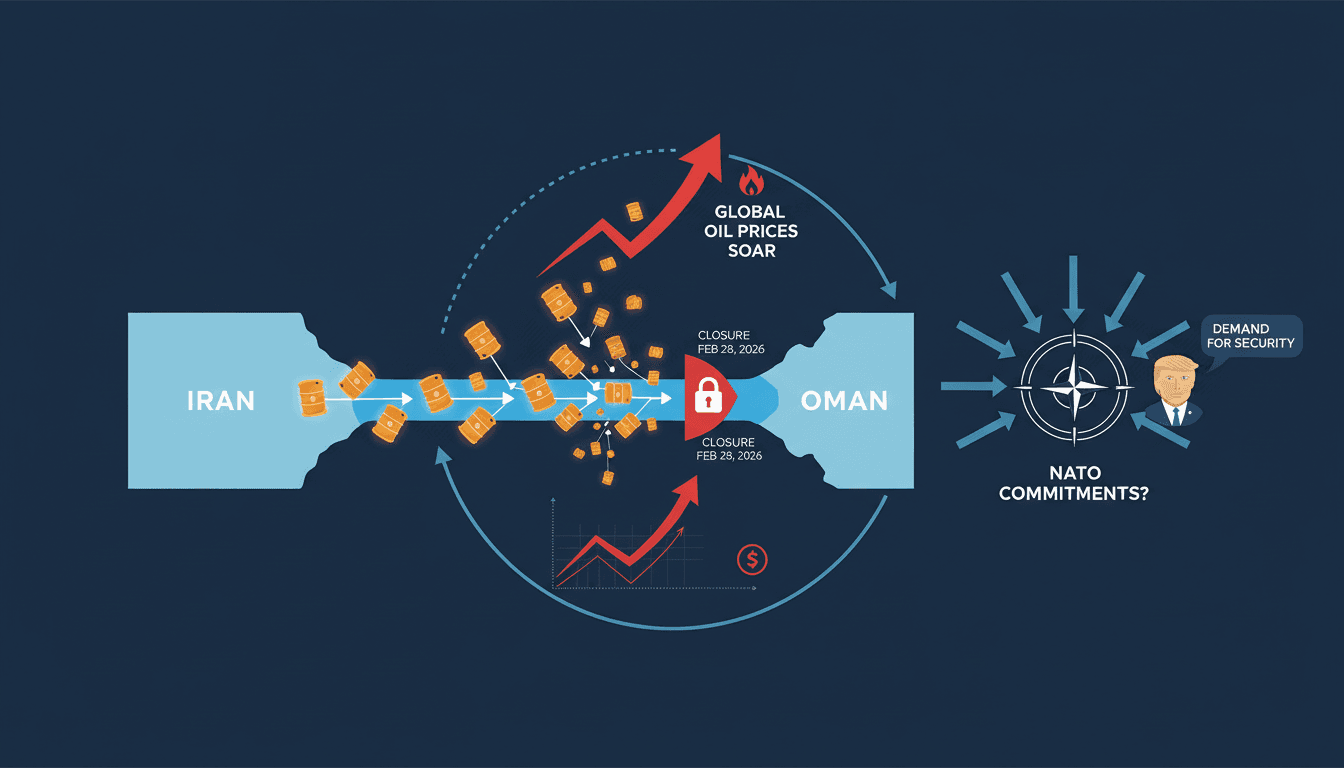
Here's what it means for you.
The stability of global energy markets and supply chains hinges on NATO's response to U.S. demands regarding the Strait of Hormuz.
Why it matters
The Strait of Hormuz is a critical chokepoint for global oil trade, with 20% of the world's oil passing through it.
What happened (in 30 seconds)
- April 8, 2026: U.S. President Donald Trump met NATO Secretary General Mark Rutte, demanding actionable commitments from allies for Strait of Hormuz security.
- Ceasefire Announcement: A conditional ceasefire was declared after Iran's closure of the strait on February 28, 2026, which had caused oil prices to surge.
- Immediate Expectations: NATO allies are expected to present practical plans within days to ensure freedom of navigation in the strait.
The context you actually need
- Escalating Conflict: The conflict escalated when Iran closed the Strait of Hormuz, disrupting global oil supplies and pushing prices above $120 per barrel.
- NATO's Reluctance: Trump has been urging NATO allies for support since March 2026, but many have shown reluctance to commit resources.
- Economic Impact: The closure of the strait has led to significant increases in fuel and transport costs, particularly affecting regions reliant on oil imports.
What's really happening
The recent diplomatic meeting between Trump and Rutte is a crucial moment in the ongoing geopolitical tensions surrounding the Strait of Hormuz. The strait is not just a narrow waterway; it’s a vital artery for global oil trade, with approximately 20% of the world's oil passing through it. The closure of the strait by Iran in February 2026 sent shockwaves through global energy markets, causing oil prices to spike above $120 per barrel. This disruption has highlighted the fragility of energy supply chains and the interconnectedness of global economies.
Trump's demand for "tangible" commitments from NATO allies reflects a broader strategy to ensure that the U.S. does not shoulder the burden of securing this critical passage alone. The NATO Secretary General's briefing to European capitals indicates that allies are aware of the urgency but are also cautious about escalating military involvement in the region. The conditional ceasefire brokered by Pakistan may provide a temporary reprieve, but unresolved issues remain, including Iran's uranium enrichment activities and broader regional security concerns.
The economic implications of this situation are profound. With oil prices already volatile, any further escalation could lead to significant increases in fuel costs, impacting consumers and businesses alike. For Dubai residents, the closure of the strait has already resulted in sharp rises in fuel, food, and transport costs. However, the recent ceasefire has led to a temporary drop in oil prices, with UAE markets experiencing a rally as stocks surged and oil prices fell by 15-18% to around $91-95 per barrel. This fluctuation underscores the immediate impact of geopolitical events on local economies and consumer behavior.
As NATO allies scramble to formulate a response to Trump's demands, the potential for a coordinated military or logistical effort to secure the Strait of Hormuz could reshape the security landscape of the region. However, the reluctance of some NATO members to engage militarily raises questions about the effectiveness of any proposed plans. The situation remains fluid, and the next steps taken by NATO will be critical in determining both regional stability and the health of global oil markets.
Who feels it first (and how)
- Energy Sector: Companies reliant on oil imports will face immediate cost implications, affecting pricing strategies and profit margins.
- Consumers: Individuals in oil-dependent regions will experience higher fuel and transport costs, impacting daily expenses.
- Investors: Market fluctuations in oil prices will affect investment strategies, particularly in energy stocks and commodities.
- NATO Allies: European nations will need to navigate the political ramifications of military commitments in the Middle East, balancing national interests with collective security obligations.
What to watch next
- NATO's Response: Watch for the specifics of the plans NATO allies present in response to Trump's demands; their effectiveness will shape regional security dynamics.
- Oil Price Trends: Monitor fluctuations in oil prices as they respond to geopolitical developments; sustained high prices could lead to economic strain globally.
- Iran's Actions: Keep an eye on Iran's compliance with the ceasefire terms and any potential provocations that could reignite tensions in the region.
The Strait of Hormuz is crucial for global oil trade, with 20% of oil passing through it.
NATO allies will face pressure to formulate a response to Trump’s demands, but their commitment levels may vary.
The long-term implications of the ceasefire on regional stability and Iran's future actions remain uncertain.
Frequently Asked Questions
- Why it matters?
- The Strait of Hormuz is a critical chokepoint for global oil trade, with 20% of the world's oil passing through it.
- What happened (in 30 seconds)?
- April 8, 2026: U.S. President Donald Trump met NATO Secretary General Mark Rutte, demanding actionable commitments from allies for Strait of Hormuz security. Ceasefire Announcement: A conditional ceasefire was declared after Iran's closure of the strait on February 28, 2026, which had caused oil prices to surge. Immediate Expectations: NATO allies are expected to present practical plans within days to ensure freedom of navigation in the strait.
- What's really happening?
- The recent diplomatic meeting between Trump and Rutte is a crucial moment in the ongoing geopolitical tensions surrounding the Strait of Hormuz. The strait is not just a narrow waterway; it’s a vital artery for global oil trade, with approximately 20% of the world's oil passing through it. The closure of the strait by Iran in February 2026 sent shockwaves through global energy markets, causing oil prices to spike above $120 per barrel. This disruption has highlighted the fragility of energy supp
- Who feels it first (and how)?
- Energy Sector: Companies reliant on oil imports will face immediate cost implications, affecting pricing strategies and profit margins. Consumers: Individuals in oil-dependent regions will experience higher fuel and transport costs, impacting daily expenses. Investors: Market fluctuations in oil prices will affect investment strategies, particularly in energy stocks and commodities. NATO Allies: European nations will need to navigate the political ramifications of military commitments in t
- What to watch next?
- NATO's Response: Watch for the specifics of the plans NATO allies present in response to Trump's demands; their effectiveness will shape regional security dynamics. Oil Price Trends: Monitor fluctuations in oil prices as they respond to geopolitical developments; sustained high prices could lead to economic strain globally. Iran's Actions: Keep an eye on Iran's compliance with the ceasefire terms and any potential provocations that could reignite tensions in the region.
Pan-Arab news coverage spanning politics, business, sports, and regional affairs.
"Asharq Al-Awsat reflects a broad Arab editorial perspective with strong attention to regional geopolitics."
— A47 Editor
«ناتو»: ترمب ينتظر من الحلفاء تعهدات «ملموسة» بشأن «هرمز»
A spokesperson for NATO stated that U.S. President Donald Trump expects tangible commitments from NATO allies to contribute to the security of the Strait of Hormuz. This expectation highlights the ongoing geopolitical significance of the strait, a cr...
Arabic-language digital news outlet covering UAE, regional, and international developments with broad general-news coverage.
"Al Ain News coverage typically blends UAE-focused reporting with wider Arab regional and international news."
— A47 Editor
مضيق هرمز.. ترامب يريد «التزامات» و«الناتو» مستعد لدور
NATO has informed its allies that Donald Trump is seeking commitments regarding the Strait of Hormuz, while the alliance has confirmed its readiness to take on a role in a potential mission in the strait.