
US-Iran Ceasefire Leads to Significant Oil Price Drop and Global Market Rally
Here's what it means for you.
Your transportation and energy costs may soon decrease as oil prices stabilize.
Why it matters
The ceasefire significantly impacts global oil supply chains and financial markets, affecting prices and economic stability.
What happened (in 30 seconds)
- Oil prices fell more than 15 percent to below $92 per barrel following a ceasefire agreement between the U.S. and Iran.
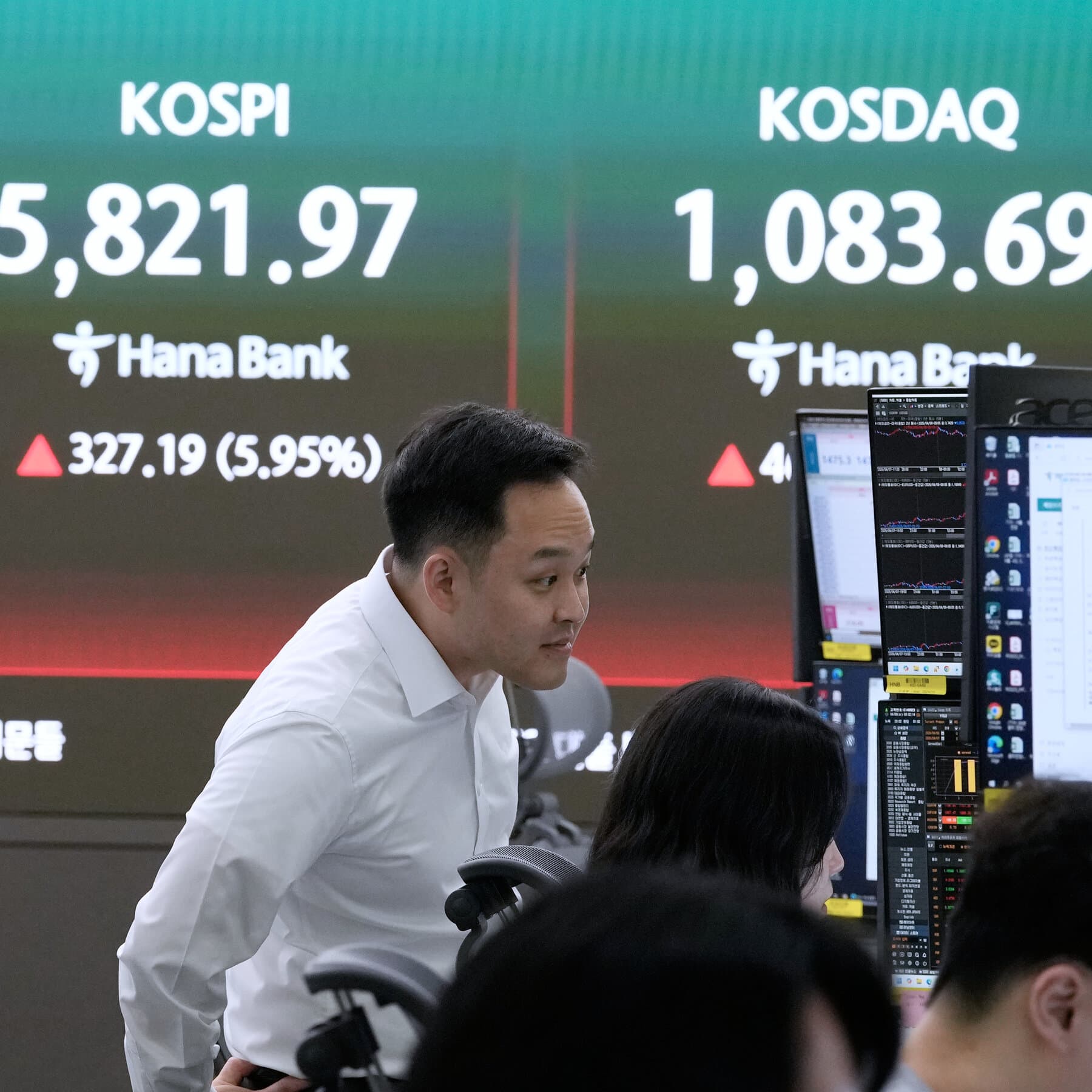
- Global stock markets surged, with the Dow Jones rising over 1,000 points and the S&P 500 increasing by 2.5–2.7 percent.
- The ceasefire is conditional, requiring Iran to reopen the Strait of Hormuz for safe passage of oil shipments.
The context you actually need
- The conflict began on February 28, 2026, with U.S.-Israeli airstrikes targeting Iranian leadership, leading to retaliatory missile strikes by Iran.
- The Strait of Hormuz is crucial for global oil transport, with 20 percent of the world's oil supply passing through it; its closure had driven prices above $120 per barrel.
- Infrastructure damage from the conflict is estimated at over $25 billion, complicating recovery and maintaining a geopolitical risk premium on oil prices.
What's really happening
The recent ceasefire between the U.S. and Iran marks a pivotal moment in a conflict that has significantly disrupted global oil markets. The agreement, announced late on April 7, 2026, requires Iran to reopen the Strait of Hormuz, a vital shipping lane for oil, in exchange for a suspension of U.S. military actions. This conditional truce comes after a period of intense hostilities that began with U.S.-Israeli airstrikes on Iranian leadership, including the assassination of Supreme Leader Ali Khamenei, which triggered a series of retaliatory strikes by Iran.
The immediate reaction in the oil markets was dramatic. Brent crude prices plummeted over 15 percent, settling below $92 per barrel, while WTI prices also fell. This decline reflects a sudden easing of fears surrounding oil supply disruptions, as the Strait of Hormuz had been closed since March 4, 2026, leading to significant production losses and skyrocketing prices. The price surge had evoked memories of the 1970s energy crisis, with Brent crude exceeding $120 per barrel at its peak.
The stock market responded positively, with major indices like the Dow Jones and S&P 500 experiencing substantial gains. Investors reacted to the potential for increased stability in oil supplies, which had been a major concern affecting market confidence. However, the ceasefire is fragile, and analysts warn of a persistent geopolitical risk premium that could lead to future volatility in oil prices if the truce collapses.
In the Gulf region, including Dubai, residents have faced record fuel prices, with Super 98 petrol reaching AED 3.39 per litre, a 31 percent increase due to the conflict. The ceasefire may lead to a projected 10–15 percent reduction in fuel prices by May, providing some relief to consumers and businesses alike. However, the lingering effects of infrastructure damage and a $20–30 spot premium on oil prices suggest that full recovery may take time.
Who feels it first (and how)
- Consumers: Individuals relying on gasoline for transportation will see potential decreases in fuel prices.
- Businesses: Companies dependent on logistics and transportation will benefit from lower fuel costs, impacting overall operational expenses.
- Investors: Stock market investors will experience gains from the surge in indices, particularly in sectors tied to energy and transportation.
- Gulf residents: Residents in oil-exporting countries may see fluctuations in local fuel prices, impacting daily living costs.
What to watch next
- Compliance with the ceasefire: Monitoring Iran's adherence to reopening the Strait of Hormuz will be crucial for oil price stability.
- Infrastructure recovery efforts: The pace of rebuilding efforts in the Gulf region will influence future oil production capabilities and prices.
- Geopolitical developments: Any signs of renewed tensions between the U.S. and Iran could lead to market volatility and price fluctuations.
Oil prices have dropped over 15 percent following the ceasefire announcement.
Fuel prices in Dubai and other regions may decrease by 10–15 percent in the coming weeks.
The long-term stability of the ceasefire and its impact on global oil markets remains uncertain.
Frequently Asked Questions
- Why it matters?
- The ceasefire significantly impacts global oil supply chains and financial markets, affecting prices and economic stability.
- What happened (in 30 seconds)?
- Oil prices fell more than 15 percent to below $92 per barrel following a ceasefire agreement between the U.S. and Iran. Global stock markets surged, with the Dow Jones rising over 1,000 points and the S&P 500 increasing by 2.5–2.7 percent. The ceasefire is conditional, requiring Iran to reopen the Strait of Hormuz for safe passage of oil shipments.
- What's really happening?
- The recent ceasefire between the U.S. and Iran marks a pivotal moment in a conflict that has significantly disrupted global oil markets. The agreement, announced late on April 7, 2026, requires Iran to reopen the Strait of Hormuz, a vital shipping lane for oil, in exchange for a suspension of U.S. military actions. This conditional truce comes after a period of intense hostilities that began with U.S.-Israeli airstrikes on Iranian leadership, including the assassination of Supreme Leader Ali Kha
- Who feels it first (and how)?
- Consumers: Individuals relying on gasoline for transportation will see potential decreases in fuel prices. Businesses: Companies dependent on logistics and transportation will benefit from lower fuel costs, impacting overall operational expenses. Investors: Stock market investors will experience gains from the surge in indices, particularly in sectors tied to energy and transportation. Gulf residents: Residents in oil-exporting countries may see fluctuations in local fuel prices, impacting daily
- What to watch next?
- Compliance with the ceasefire: Monitoring Iran's adherence to reopening the Strait of Hormuz will be crucial for oil price stability. Infrastructure recovery efforts: The pace of rebuilding efforts in the Gulf region will influence future oil production capabilities and prices. Geopolitical developments: Any signs of renewed tensions between the U.S. and Iran could lead to market volatility and price fluctuations.
European coverage of Middle East politics and security issues.
"France 24 offers international reporting with a European editorial perspective."
— A47 Editor
'Trump abandoned us': Ceasefire sparks anger, fear, division among Iranians
A two-week ceasefire has been announced between the United States and Iran, following five weeks of armed conflict that has left many Iranians feeling abandoned and divided. The ceasefire, facilitated by Pakistan, has elicited mixed reactions among t...
Coverage of current events and conflicts in the Middle East.
"France 24 is viewed as a globally focused outlet with balanced coverage and a European perspective."
— A47 Editor
'Trump abandoned us': Ceasefire sparks anger, fear, division among Iranians
A two-week ceasefire has been announced between the United States and Iran, following five weeks of armed conflict that has left many Iranians feeling abandoned and divided. The ceasefire, facilitated by Pakistan, has elicited mixed reactions among t...
Markets desk coverage, trading insights, and investor updates.
"WSJ’s markets reporting provides in-depth analysis and context for investors."
— A47 Editor
Traders Pounce on the Cease-Fire, Even as Missiles Keep Flying
Following the announcement of a two-week ceasefire between the U.S. and Iran, traders reacted swiftly, leading to a surge in stock prices while oil prices fell significantly. This market movement reflects a cautious optimism among investors despite o...
UK and international business news, economics, and corporate coverage.
"The Guardian’s business section covers finance and markets with a progressive editorial tone."
— A47 Editor
Oil prices plunge and stocks jump after Trump announces conditional ceasefire with Iran
Oil prices experienced a significant decline on April 8, 2026, following the announcement of a two-week conditional ceasefire between the U.S. and Iran, as declared by President Donald Trump. The agreement allows Iran to manage the reopening of the s...
International coverage from The Guardian's global desks.
"The Guardian is known for its progressive editorial stance and in-depth analysis."
— A47 Editor
Oil prices plunge and stocks jump after Trump announces conditional ceasefire with Iran
Oil prices experienced a significant decline on April 8, 2026, following the announcement of a two-week conditional ceasefire between the U.S. and Iran, as declared by President Donald Trump. The agreement allows Iran to manage the reopening of the s...
News from the United States including domestic politics, society, and culture.
"The Guardian is known for its progressive editorial stance and in-depth analysis, often advocating for social justice, environmental issues, and liberal values."
— A47 Editor
Oil prices plunge and stocks jump after Trump announces conditional ceasefire with Iran
Oil prices experienced a significant decline on April 8, 2026, following the announcement of a two-week conditional ceasefire between the U.S. and Iran, as declared by President Donald Trump. The agreement allows Iran to manage the reopening of the s...
Markets, economy, and company analysis from NYT’s business desk.
"The New York Times is a globally recognized newspaper offering authoritative reporting with a center-left editorial stance."
— A47 Editor
Oil Prices Plunge and Stocks Surge After Cease-Fire Deal
Oil prices have plummeted nearly 15% to below $100 per barrel following the announcement of a two-week ceasefire agreement between the United States and Iran, aimed at reducing military tensions in the Middle East. Investors reacted positively to thi...
Policy, elections, and government reporting.
"NPR is an American public media organization known for thoughtful reporting and a slightly left-leaning editorial tone."
— A47 Editor
Oil prices plunge and stocks soar after U.S. and Iran agree on a ceasefire
Oil prices have plunged significantly following the announcement of a two-week ceasefire between the U.S. and Iran, as declared by President Trump. This agreement, which includes Iran's commitment to reopen the strategically vital Strait of Hormuz, h...
International stories from NPR’s global desk.
"NPR is an American public media organization known for thoughtful reporting and a slightly left-leaning editorial tone."
— A47 Editor
Oil prices plunge and stocks soar after U.S. and Iran agree on a ceasefire
Oil prices have plunged significantly following the announcement of a two-week ceasefire between the U.S. and Iran, as declared by President Trump. This agreement, which includes Iran's commitment to reopen the strategically vital Strait of Hormuz, h...
Business, markets, economy, and corporate news with strong UAE and regional relevance.
"Emirates 24|7 business coverage tends to center UAE markets, property, regulation, and regional economic developments."
— A47 Editor
Wall Street, global markets surge after US-Iran ceasefire sends oil prices below $100 a barrel Wall Street, global markets surge after US-Iran ceasefire sends oil prices below $100 a barrel
Wall Street and global markets experienced a significant surge following the announcement of a two-week ceasefire between the U.S. and Iran, which has led to oil prices dropping below $100 a barrel. The S&P 500 futures rose by 2.7%, while Dow Jones a...
Business, markets, economy, and corporate news with strong UAE and regional relevance.
"Emirates 24|7 business coverage tends to center UAE markets, property, regulation, and regional economic developments."
— A47 Editor
Asian benchmarks jump after oil prices sink in response to the Iran ceasefire Asian benchmarks jump after oil prices sink in response to the Iran ceasefire
Asian stock markets experienced a significant surge following the announcement of a two-week ceasefire between the United States and Iran, which includes the reopening of the strategically vital Strait of Hormuz. Japan's Nikkei 225 rose by 5.0%, whil...
Global political, business, and cultural coverage from WSJ international desks.
"The Wall Street Journal offers extensive international reporting with a reputation for financial insight and a center-right editorial stance."
— A47 Editor
Asian Markets Stage Relief Rally, Oil Drops on Trump-Iran Cease-Fire
President Donald Trump announced a two-week ceasefire with Iran, which has led to a relief rally in Asian markets and a drop in oil prices, reflecting optimism about a potential resolution to ongoing tensions. This announcement follows a series of es...
Sports reporting with a focus on Saudi and regional competitions.
"Okaz sports coverage is broad and audience-friendly, with strong attention to Saudi teams and leagues."
— A47 Editor
هدنة ترمب تهز الأسواق.. النفط يهبط 15% والأسهم تقفز عالمياً
Following U.S. President Donald Trump's announcement of a two-week ceasefire in the conflict with Iran, global markets experienced significant shifts, with oil prices plummeting by approximately 15% while stock indices surged. This announcement, faci...