
IMF Warns of Economic Slowdown in Middle East Due to Ongoing War Disruptions
Here's what it means for you.
The economic landscape in the Middle East is shifting, impacting global energy markets and trade routes that could affect your business operations.
What happened
On April 16, 2026, the IMF announced that the Middle East is facing a critical economic moment due to the war that began on February 28, 2026.
The Context
- Geopolitical tensions escalated into war, disrupting the Strait of Hormuz, a vital artery for global oil and gas.
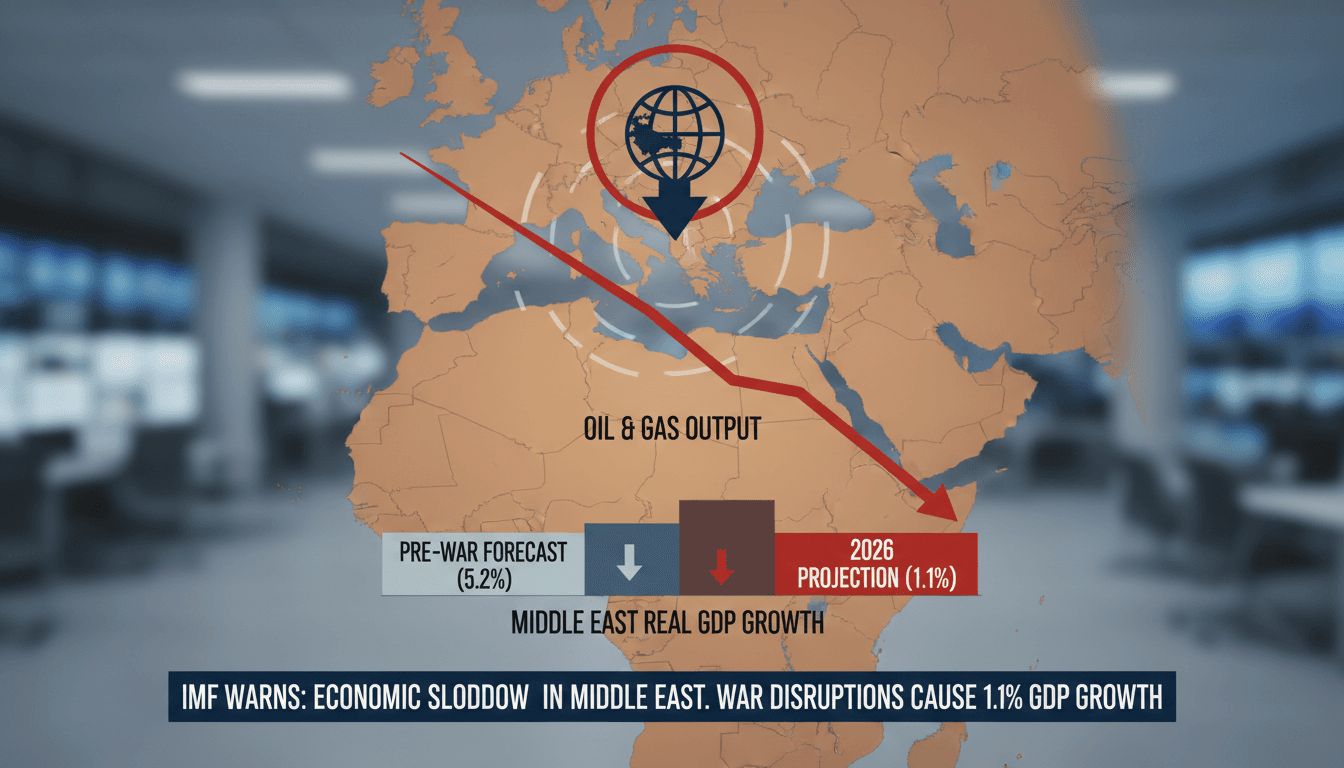
- Economic forecasts for the region have been downgraded significantly, projecting only 1.1% GDP growth for 2026, far below pre-war expectations.
- Resilience strategies are being implemented, with countries like Saudi Arabia and the UAE adapting their export routes and financial support systems.
The Number
barrels per day reduction in oil and gas output across Gulf Cooperation Council countries due to war disruptions. This figure highlights the scale of the impact on global energy supplies and pricing.
Takeaway
If the current disruptions resolve, a recovery is anticipated in 2027, but the path forward will require strategic adaptations from businesses operating in or with the region.
Regional and international reporting focused on Middle Eastern politics, diplomacy, and economics.
"Asharq Al-Awsat is a Saudi-owned international newspaper reflecting mainstream Gulf political perspectives."
— A47 Editor
IMF: Middle East Faces Pivotal Economic Moment
The International Monetary Fund (IMF) has indicated that the Middle East is at a critical economic juncture, largely influenced by the ongoing conflict in Iran. This situation is expected to significantly impact the region's economic stability and gr...
Macro commentary, policy analysis, growth/inflation themes, and global outlooks.
"Contextual macro coverage that complements day-to-day market headlines."
— A47 Editor
IMF chief says 12 or more countries seeking loans to cope with Middle East war energy shock
The International Monetary Fund (IMF) has reported that over 12 countries are seeking financial assistance to manage the economic fallout from the ongoing conflict in the Middle East, which has triggered significant energy supply disruptions.
Regional and international reporting focused on Middle Eastern politics, diplomacy, and economics.
"Asharq Al-Awsat is a Saudi-owned international newspaper reflecting mainstream Gulf political perspectives."
— A47 Editor
IMF Says World Is Drifting Toward More Adverse Growth Scenario as Energy Disruptions Continue
The International Monetary Fund (IMF) has warned that the global economy is drifting toward a more adverse growth scenario due to ongoing energy disruptions, particularly linked to geopolitical tensions in the Middle East. The IMF's latest assessment...