
Gold prices surge amid U.S.-Iran peace negotiation optimism
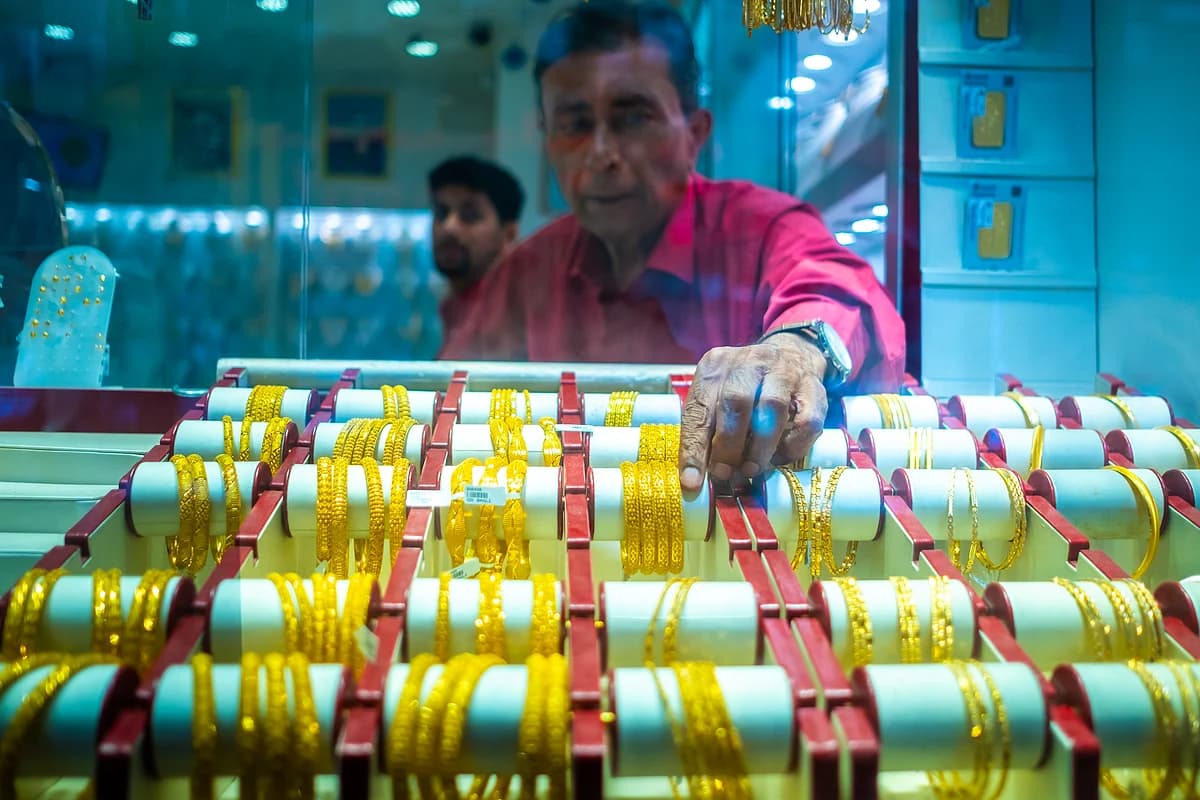
Here's what it means for you.
The recent surge in gold prices signals a shift in market sentiment, driven by optimism surrounding potential peace negotiations between the U.S. and Iran. Investors are reacting to the weaker dollar and the prospect of improved inflation, which could reshape commodity markets. This development may lead to increased volatility in both gold and oil prices, impacting investment strategies and economic forecasts. As negotiations progress, stakeholders across various sectors should remain vigilant, as these geopolitical dynamics could influence broader economic conditions. The interplay between gold and oil prices will be crucial for market participants to monitor in the coming weeks.
What happened
Gold prices have risen significantly amid growing hopes for a peace deal between the U.S. and Iran. This increase is attributed to a weaker dollar, which has made gold more attractive to investors. On May 25, 2026, gold prices increased by over Dh6 per gram, reflecting a strong market response to the geopolitical news.
The positive sentiment surrounding the potential negotiations has also led to a notable decline in oil prices. As investors react to these developments, the TSX futures market has shown a positive response, further indicating the interconnectedness of these commodities.
The Context
The backdrop of this surge in gold prices is the ongoing geopolitical tension between the U.S. and Iran, which has significant implications for global markets. A weaker dollar has contributed to the rise in gold prices, as it typically enhances the appeal of gold as a safe-haven asset. The potential for improved inflation outlook due to peace negotiations adds another layer of complexity to the situation.
Market participants are closely watching the actions and statements from both U.S. and Iranian officials, as these will be pivotal in determining the trajectory of negotiations. The implications of these developments extend beyond gold, influencing oil prices and overall economic conditions globally.
Takeaway
Looking ahead, continued developments in U.S.-Iran relations could further influence global markets and commodity prices. Investors should monitor upcoming statements from officials regarding the peace negotiations, as these could provide insights into the likelihood of sustained increases in gold prices. Additionally, changes in the dollar's strength will be critical in shaping the dynamics of commodity markets.
As the situation evolves, the interplay between gold and oil prices will be essential for understanding broader economic trends. Stakeholders should remain alert to these shifts, as they may present both opportunities and challenges in the investment landscape.
Market-moving headlines impacting equities, bonds, and related risk assets.
"Real-time catalysts and volatility drivers across indices and sectors."
— A47 Editor
TSX futures jump as gold climbs, oil falls amid Iran peace deal hopes
TSX futures experienced a significant increase as gold prices rose and oil prices fell, driven by growing optimism surrounding potential peace negotiations between the U.S. and Iran. This positive market sentiment reflects a shift in investor confide...
Markets desk coverage, trading insights, and investor updates.
"WSJ’s markets reporting provides in-depth analysis and context for investors."
— A47 Editor
Gold Rises on U.S.-Iran Optimism, Weaker Dollar
Gold prices have risen due to a weaker dollar and growing optimism surrounding potential breakthroughs in U.S.-Iran peace negotiations, which could positively influence inflation expectations. This development reflects a significant shift in market s...
Breaking news and analysis from the UAE and Gulf region.
"Khaleej Times is a long-running UAE publication with broad regional coverage."
— A47 Editor
Gold prices jump over Dh6 per gram on US-Iran peace deal hopes
Gold prices surged over Dh6 per gram amid rising hopes for a peace deal between the US and Iran, reflecting a positive sentiment in the market. This increase comes as geopolitical tensions have been a significant factor influencing gold prices in rec...