
Artemis II Astronauts Capture Lunar Imagery Using iPhone 17 Pro Max
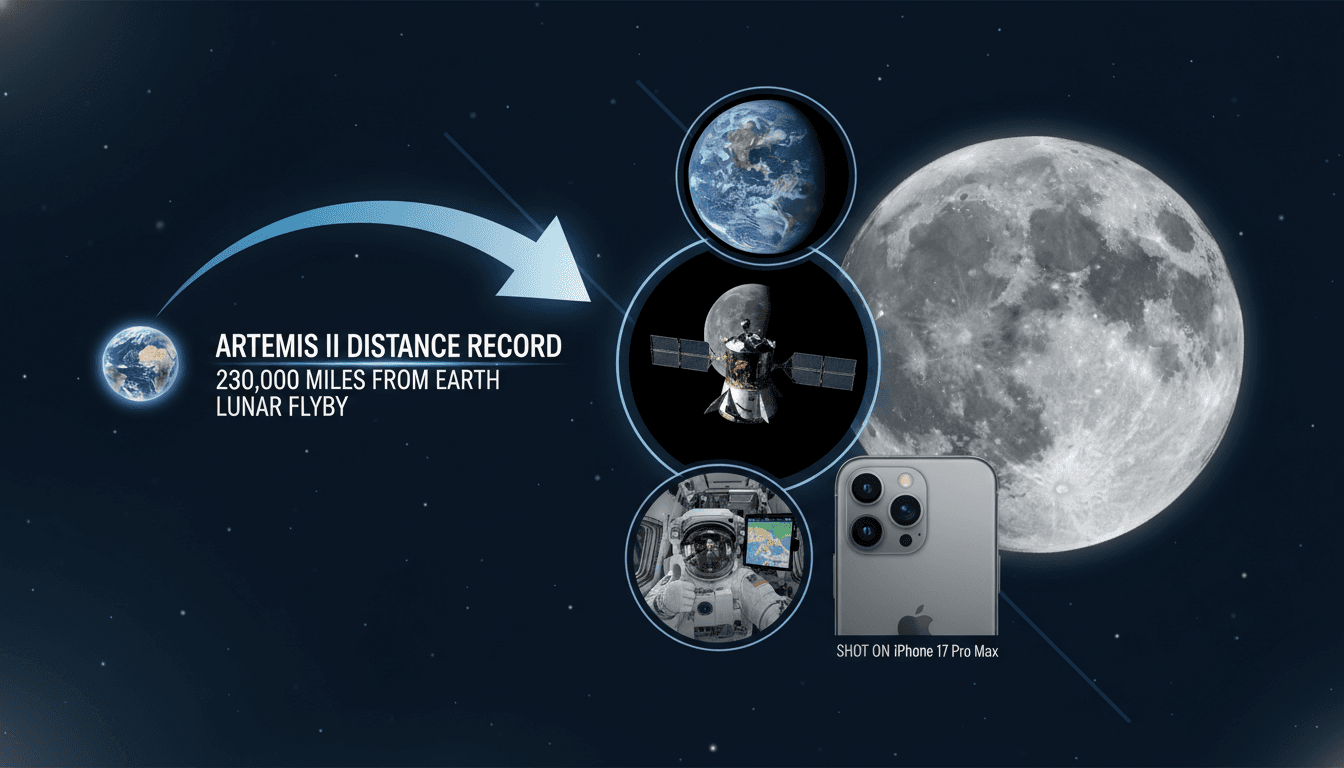
Here's what it means for you.
The integration of consumer technology in space missions could reshape how you engage with space exploration.
Why it matters
This milestone reflects a shift in space exploration practices, emphasizing accessibility and personal engagement in scientific endeavors.
What happened (in 30 seconds)
- Artemis II astronauts used iPhone 17 Pro Max devices to capture images during their lunar flyby on April 6, 2026.
- This mission marked the first time consumer smartphones were qualified for deep-space human missions, enhancing personal documentation of space activities.
- NASA's Artemis program aims to establish a sustainable lunar presence, with Artemis II being a crucial step following the uncrewed Artemis I mission.
The context you actually need
- NASA's Artemis program seeks to return humans to the Moon and establish a long-term presence, with Artemis II as a key test flight.
- The qualification of personal devices followed a rigorous NASA certification process, allowing astronauts to document their experiences alongside official equipment.
- Geopolitical factors like the Artemis Accords promote international cooperation in space, potentially inspiring local STEM initiatives.
What's really happening
The Artemis II mission, launched on April 1, 2026, from Kennedy Space Center, represents a significant leap in human space exploration. The crew, consisting of Reid Wiseman, Victor Glover, Christina Koch, and Jeremy Hansen, embarked on a 10-day journey aboard the Orion spacecraft, achieving a new human distance record of 252,756 miles during their lunar flyby on April 6. This mission not only tested the capabilities of the Orion spacecraft but also integrated consumer technology into the fabric of space exploration.
The decision to allow astronauts to use iPhone 17 Pro Max devices was a groundbreaking move for NASA. Following a four-phase certification process that included safety reviews and hazard analyses, these smartphones were deemed safe for use in deep space, albeit without internet connectivity. This policy shift reflects a broader trend in space exploration, where personal devices can enhance the human experience of space travel, allowing astronauts to capture candid moments that official equipment might miss. The astronauts used their iPhones for everything from selfies to documenting crew activities in zero gravity, adding a personal touch to the mission.
The implications of this integration extend beyond the mission itself. By allowing personal devices, NASA is not only making space exploration more relatable but also inspiring future generations to engage with science and technology. The images captured by the astronauts have already generated significant public interest, showcasing the beauty of Earth and the Moon from a unique perspective. This could lead to increased support for space initiatives and a greater emphasis on STEM education, particularly in regions like Dubai, where the UAE's participation in the Artemis Accords aligns with these goals.
As the mission progresses, the successful use of consumer technology in such extreme conditions may pave the way for future missions to incorporate more personal devices, further democratizing space exploration and enhancing the narrative of human achievement in the cosmos.
Who feels it first (and how)
- Space agencies: Increased collaboration and public interest in space missions.
- STEM educators: Opportunities to inspire students with real-world applications of technology in space.
- Tech companies: Potential for partnerships and innovations in space-grade consumer technology.
- General public: Enhanced engagement with space exploration through relatable imagery and stories.
What to watch next
- Public engagement metrics: Monitor how the public's interest in space exploration evolves following the release of images and stories from the mission.
- STEM initiatives: Look for new educational programs or partnerships that arise as a result of increased interest in space exploration.
- Future missions: Watch for announcements regarding the use of personal devices in upcoming Artemis missions and other space endeavors.
The Artemis II mission successfully utilized iPhone 17 Pro Max devices for documentation.
Increased public interest in space exploration and potential growth in STEM education initiatives.
The long-term impact of personal devices on future space missions and their integration into official protocols.
Frequently Asked Questions
- Why it matters?
- This milestone reflects a shift in space exploration practices, emphasizing accessibility and personal engagement in scientific endeavors.
- What happened (in 30 seconds)?
- Artemis II astronauts used iPhone 17 Pro Max devices to capture images during their lunar flyby on April 6, 2026. This mission marked the first time consumer smartphones were qualified for deep-space human missions, enhancing personal documentation of space activities. NASA's Artemis program aims to establish a sustainable lunar presence, with Artemis II being a crucial step following the uncrewed Artemis I mission.
- What's really happening?
- The Artemis II mission, launched on April 1, 2026, from Kennedy Space Center, represents a significant leap in human space exploration. The crew, consisting of Reid Wiseman, Victor Glover, Christina Koch, and Jeremy Hansen, embarked on a 10-day journey aboard the Orion spacecraft, achieving a new human distance record of 252,756 miles during their lunar flyby on April 6. This mission not only tested the capabilities of the Orion spacecraft but also integrated consumer technology into the fabric
- Who feels it first (and how)?
- Space agencies: Increased collaboration and public interest in space missions. STEM educators: Opportunities to inspire students with real-world applications of technology in space. Tech companies: Potential for partnerships and innovations in space-grade consumer technology. General public: Enhanced engagement with space exploration through relatable imagery and stories.
- What to watch next?
- Public engagement metrics: Monitor how the public's interest in space exploration evolves following the release of images and stories from the mission. STEM initiatives: Look for new educational programs or partnerships that arise as a result of increased interest in space exploration. Future missions: Watch for announcements regarding the use of personal devices in upcoming Artemis missions and other space endeavors.
Space science news, astronomy updates, and spaceflight developments.
"Space.com delivers space science news, astronomy updates, and spaceflight developments with engaging coverage."
— A47 Editor
Artemis 2 moon astronauts capture space history — on their iPhones
The Artemis 2 astronauts, aboard the Orion spacecraft, have successfully captured stunning photographs of the Moon and Earth using their iPhones during a historic lunar flyby on April 6, 2026. This mission marks the first crewed journey to the Moon i...
Tech news, hardware, and AI tools coverage.
"PC/tech site increasingly covering AI hardware and apps."
— A47 Editor
NASA just dropped new high-quality Moon photos from Artemis II
NASA has released around two dozen high-resolution photos of the Moon captured by the Artemis II mission crew, which marks the first crewed flight to the Moon in over 50 years. The mission, launched on April 1, 2026, features four astronauts aboard t...
Latest tech news, product reviews, and analysis for consumers and professionals.
"CNET delivers accessible and detailed technology reporting, including trusted product reviews and how-to guides."
— A47 Editor
What to Know About Artemis II, Apple Foldable Rumors & More | Tech Today video
NASA's Artemis II mission successfully launched on April 1, 2026, marking the first crewed flight to the Moon in over 50 years, with four astronauts aboard the Orion spacecraft. The mission aims to circle the Moon over a 10-day period, testing variou...