
NASA Artemis II mission successfully captures first crew images of Earth and solar eclipse during lunar flyby
Here's what it means for you.
This mission enhances global interest in space exploration and commercial opportunities.
What happened
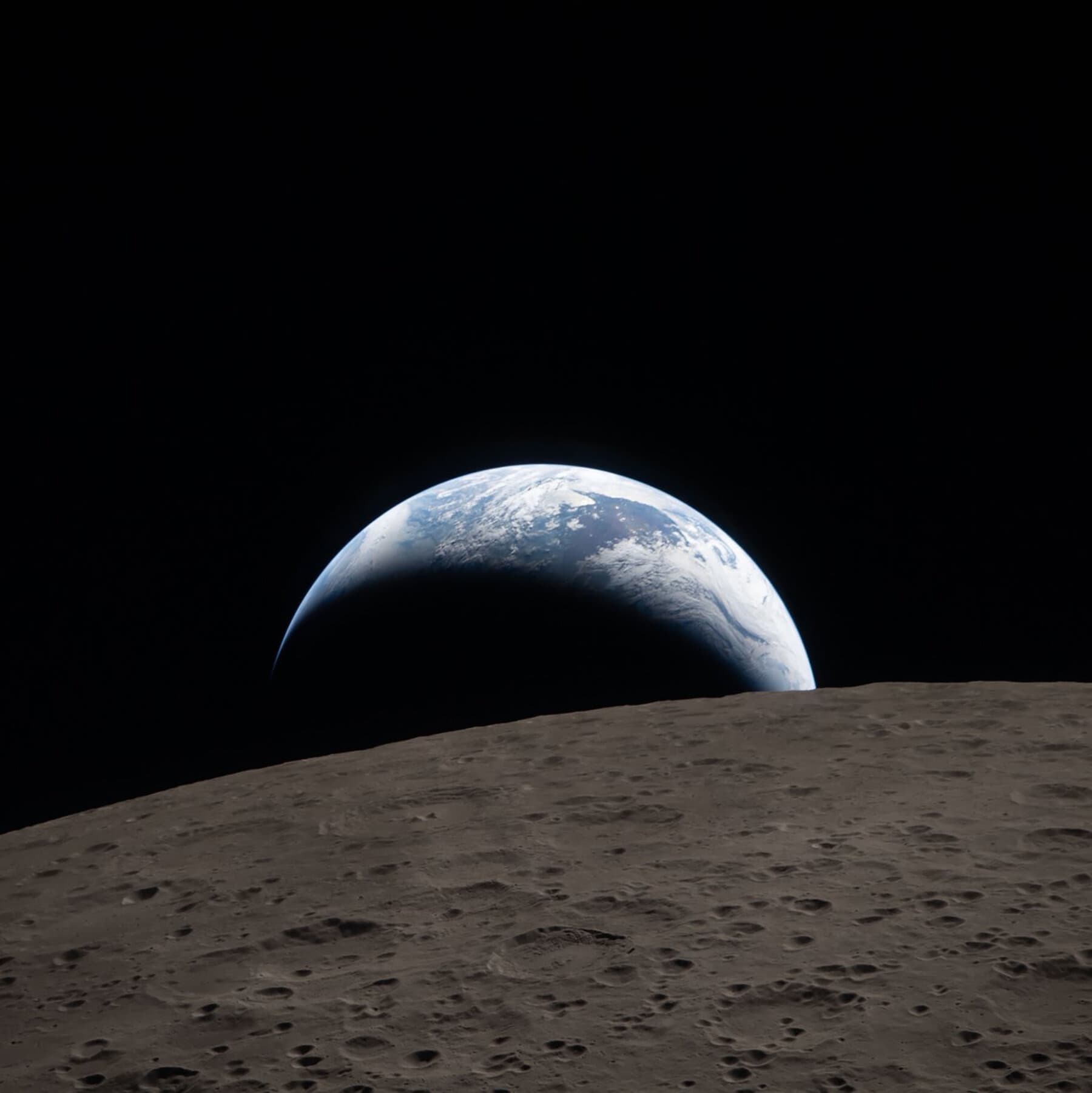
NASA's Artemis II mission captured the first photographs of a setting Earth and solar eclipse during its lunar flyby on April 6, 2026.
The Context
- Historic achievement: This mission marked the first crewed flight of the Orion spacecraft, following the uncrewed Artemis I mission in 2022.
- Scientific advancement: The images taken during the flyby contribute to lunar surface science and deep-space photography techniques.
- Global collaboration: UAE observatories tracked the mission, highlighting international partnerships in space exploration.
The Number
— The maximum distance from Earth in miles, surpassing Apollo 13's record by 4,105 miles, showcasing advancements in deep-space travel.
Takeaway
As interest in lunar missions grows, expect increased investment in commercial space ventures and international collaborations.
Space science news, astronomy updates, and spaceflight developments.
"Space.com delivers space science news, astronomy updates, and spaceflight developments with engaging coverage."
— A47 Editor
This Week In Space podcast: Episode 205 — All About Artemis
In Episode 205 of the This Week In Space podcast, hosts Rod Pyle and Tariq Malik discuss the upcoming Artemis 2 mission, which is set to launch on April 1, 2026, sending four astronauts on a journey around the Moon. This mission marks a significant m...
National headlines across the United States including breaking stories and societal issues.
"NBC News is a mainstream media outlet known for comprehensive national and international news coverage with a centrist to slightly left-leaning editorial tone."
— A47 Editor
Artemis II crew 'happy and healthy' back on Earth
The Artemis II crew has successfully returned to Earth after a historic lunar mission, marking the first crewed journey to the moon in over 50 years. The astronauts, who launched on April 1, 2026, completed a 10-day flyby and splashed down in the Pac...
Science and technology stories including AI.
"Longstanding science magazine with thoughtful AI coverage."
— A47 Editor
Why Artemis II’s reentry may be the moon mission’s greatest challenge yet
NASA's Artemis II mission is approaching a critical phase as the Orion capsule prepares for its reentry into Earth's atmosphere, with splashdown scheduled for April 10, 2026. This mission, which launched on April 1, 2026, carries four astronauts on a...
Scientific research, technology, environment, and society.
"Scientific American is one of the oldest and most authoritative science magazines, known for deep dives into science, technology, and society."
— A47 Editor
Why Artemis II’s reentry may be the moon mission’s greatest challenge yet
NASA's Artemis II mission is approaching a critical phase as the Orion capsule prepares for its reentry into Earth's atmosphere, with splashdown scheduled for April 10, 2026. This mission, which launched on April 1, 2026, carries four astronauts on a...
Space exploration, astronomy, and astrophysics.
"The New York Times is a globally recognized newspaper offering authoritative reporting with a center-left editorial stance."
— A47 Editor
See First Photos From NASA’s Artemis II Moon Mission Capturing a Setting Earth and Eclipse
NASA's Artemis II mission has successfully captured stunning imagery of Earth and an eclipse during its lunar flyby, with the crew aboard the Orion Integrity spacecraft sharing their first photos from space. This marks a significant milestone as it i...