
U.S. Inflation Rises to 3.3 Percent Amid Iran War Energy Crisis
Here's what it means for you.
Rising energy prices from geopolitical tensions could significantly impact your cost of living and purchasing power.
Why it matters
This inflation surge reflects the fragility of global supply chains and the direct impact of geopolitical events on everyday consumer costs.
What happened (in 30 seconds)
- U.S. inflation hit 3.3 percent annually in March 2026, driven by a significant energy price spike amid the U.S.-Israel war with Iran.
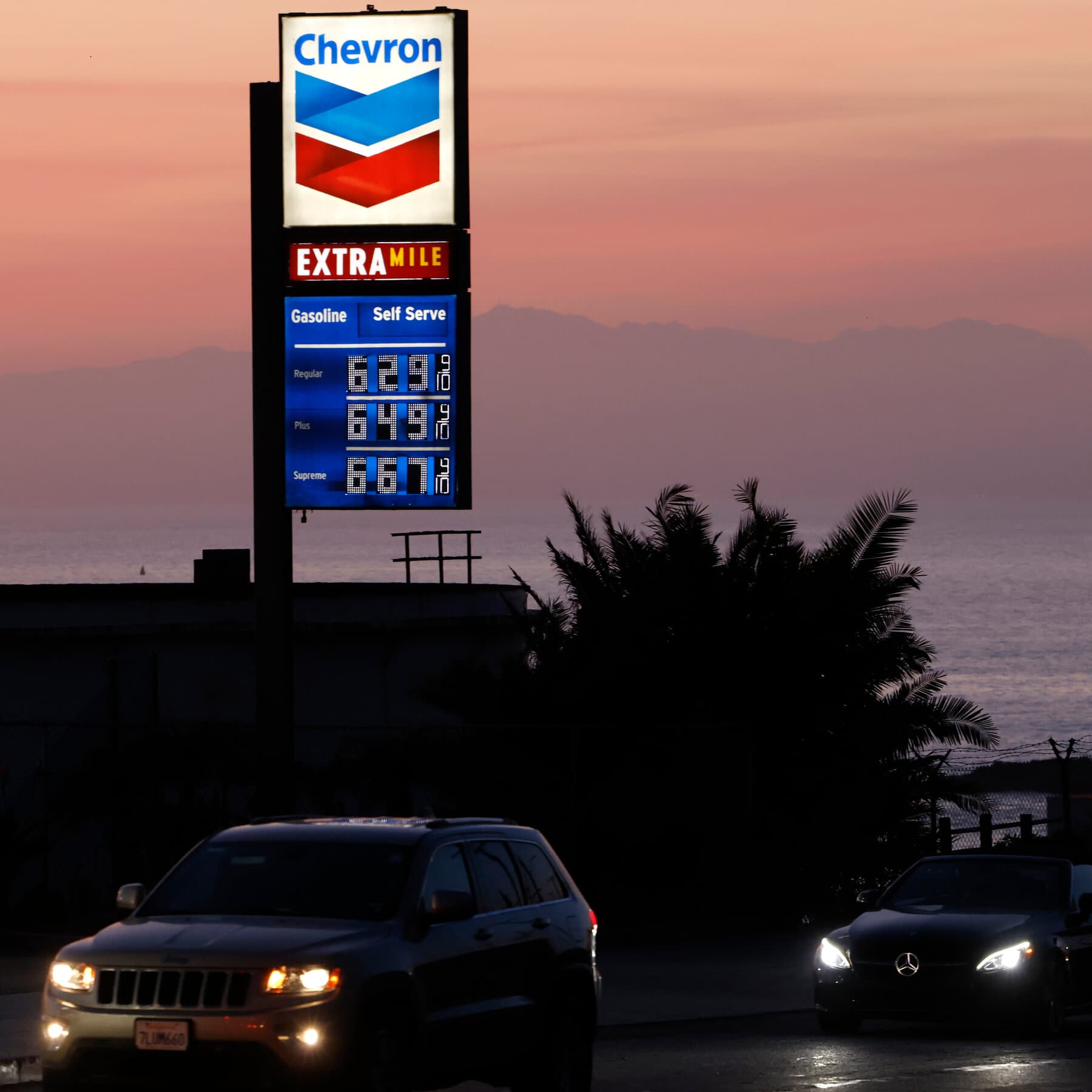
- Gasoline prices soared 21.2 percent month-over-month, the largest recorded increase, contributing to broader inflationary pressures.
- The Federal Reserve is closely monitoring inflation risks, indicating potential delays in interest rate cuts as consumer sentiment declines.
The context you actually need
- The U.S.-Israel-Iran conflict escalated on February 27, 2026, leading to Iran's closure of the Strait of Hormuz on March 4, disrupting oil exports.
- Brent crude prices surged above $120 per barrel, marking a more than 30 percent increase from pre-war levels, which directly affected U.S. gasoline prices.
- The energy index rose 10.9 percent in March, reflecting the broader economic impact of the ongoing geopolitical tensions.
What's really happening
The recent surge in U.S. inflation to 3.3 percent annually in March 2026 can be traced directly to the energy shock induced by the ongoing war between the U.S., Israel, and Iran. Following the initiation of military actions on February 27, 2026, Iran's strategic closure of the Strait of Hormuz on March 4 disrupted a critical artery for global oil and liquefied natural gas (LNG) exports. This closure led to an immediate spike in Brent crude prices, which exceeded $120 per barrel, a rise of over 30 percent from pre-war levels.
As a result, U.S. gasoline prices surged by 21.2 percent month-over-month, marking the largest increase on record. This unprecedented jump in fuel costs contributed to a broader 0.9 percent increase in the Consumer Price Index (CPI) for March, the highest monthly gain since May 2022. The energy sector's volatility is a significant driver of inflation, as energy costs ripple through the economy, affecting transportation, manufacturing, and consumer goods.
The Federal Reserve's response to this inflationary pressure is critical. Officials have expressed concerns about the persistent risks stemming from the energy shock, suggesting that the central bank may delay anticipated interest rate cuts. Chair Jerome Powell emphasized a cautious "wait-and-see" approach, indicating that the Fed is closely monitoring inflation expectations and consumer sentiment, which has plummeted to record lows at 47.6.
Moreover, the implications of this energy shock extend beyond U.S. borders. In the UAE, fuel prices surged by up to 33.3 percent in April 2026, exacerbating consumer costs and contributing to goods inflation. The broader economic disruptions in Dubai include strained logistics and rising input costs, threatening non-oil growth amid regional instability.
The interconnectedness of global markets means that the effects of this conflict and the resulting energy crisis will likely be felt by consumers worldwide, as supply chain disruptions and increased costs permeate various sectors.
Who feels it first (and how)
- Consumers: Higher gasoline and energy prices directly impact household budgets, leading to increased costs for commuting and daily living.
- Transportation Sector: Companies reliant on fuel for logistics face rising operational costs, which may lead to increased prices for goods.
- Manufacturers: Increased energy costs can lead to higher production expenses, potentially resulting in elevated prices for consumer products.
- Low-Income Households: These groups are disproportionately affected by rising costs, as a larger portion of their income is spent on energy and transportation.
- Businesses in Dubai: Local companies face increased input costs and logistical challenges, affecting their operational viability and pricing strategies.
What to watch next
- Federal Reserve Policy Decisions: Watch for any announcements regarding interest rate adjustments, as they will indicate how the Fed is responding to inflation pressures.
- Global Oil Prices: Continued fluctuations in oil prices will be crucial, particularly if geopolitical tensions escalate or if supply chain disruptions persist.
- Consumer Sentiment Index: Monitoring changes in consumer confidence will provide insights into how households are adjusting to rising costs and economic uncertainty.
U.S. inflation has surged to 3.3 percent annually due to energy price increases.
The Federal Reserve may delay interest rate cuts in response to persistent inflation risks.
The long-term impact of the Iran war on global oil supply and prices remains uncertain.
Frequently Asked Questions
- Why it matters?
- This inflation surge reflects the fragility of global supply chains and the direct impact of geopolitical events on everyday consumer costs.
- What happened (in 30 seconds)?
- U.S. inflation hit 3.3 percent annually in March 2026, driven by a significant energy price spike amid the U.S.-Israel war with Iran. Gasoline prices soared 21.2 percent month-over-month, the largest recorded increase, contributing to broader inflationary pressures. The Federal Reserve is closely monitoring inflation risks, indicating potential delays in interest rate cuts as consumer sentiment declines.
- What's really happening?
- The recent surge in U.S. inflation to 3.3 percent annually in March 2026 can be traced directly to the energy shock induced by the ongoing war between the U.S., Israel, and Iran. Following the initiation of military actions on February 27, 2026, Iran's strategic closure of the Strait of Hormuz on March 4 disrupted a critical artery for global oil and liquefied natural gas (LNG) exports. This closure led to an immediate spike in Brent crude prices, which exceeded $120 per barrel, a rise of over 3
- Who feels it first (and how)?
- Consumers: Higher gasoline and energy prices directly impact household budgets, leading to increased costs for commuting and daily living. Transportation Sector: Companies reliant on fuel for logistics face rising operational costs, which may lead to increased prices for goods. Manufacturers: Increased energy costs can lead to higher production expenses, potentially resulting in elevated prices for consumer products. Low-Income Households: These groups are disproportionately affected by ri
- What to watch next?
- Federal Reserve Policy Decisions: Watch for any announcements regarding interest rate adjustments, as they will indicate how the Fed is responding to inflation pressures. Global Oil Prices: Continued fluctuations in oil prices will be crucial, particularly if geopolitical tensions escalate or if supply chain disruptions persist. Consumer Sentiment Index: Monitoring changes in consumer confidence will provide insights into how households are adjusting to rising costs and economic uncertainty.
Markets, economy, and company analysis from NYT’s business desk.
"The New York Times is a globally recognized newspaper offering authoritative reporting with a center-left editorial stance."
— A47 Editor
How the Iran War Is Affecting Inflation
The ongoing conflict in Iran has led to a significant rise in inflation, with U.S. inflation reaching 3.3% in March 2026, marking the largest increase in nearly two years. This surge in prices is primarily driven by escalating energy costs linked to ...
Corporate news, economic trends, and markets with UK and global scope.
"BBC News is widely regarded as reputable and impartial, with a public service mandate."
— A47 Editor
Soaring pump prices drive US inflation to highest level in almost two years
A surge in pump prices, driven by the ongoing conflict in Iran, has propelled U.S. inflation to 3.3%, marking the highest rate in nearly two years. This increase reflects significant economic pressures as energy costs rise sharply due to geopolitical...
Regional and international reporting focused on Middle Eastern politics, diplomacy, and economics.
"Asharq Al-Awsat is a Saudi-owned international newspaper reflecting mainstream Gulf political perspectives."
— A47 Editor
US Inflation Surges 3.3% as Iran War Impact Bites
US inflation has surged by 3.3%, driven largely by the economic fallout from the ongoing war in Iran, which has disrupted supply chains and increased energy prices. This inflationary pressure reflects the broader economic instability linked to geopol...
Markets, economy, and company analysis from NYT’s business desk.
"The New York Times is a globally recognized newspaper offering authoritative reporting with a center-left editorial stance."
— A47 Editor
U.S. Inflation Surged in March as Iran War Pushed Up Prices
U.S. inflation surged in March 2026, driven by soaring energy costs linked to the ongoing conflict in Iran, marking the largest monthly increase in the Consumer Price Index since June 2022.
Pan-Arab news coverage spanning politics, business, sports, and regional affairs.
"Asharq Al-Awsat reflects a broad Arab editorial perspective with strong attention to regional geopolitics."
— A47 Editor
الحرب ترفع التضخم الأميركي إلى أعلى وتيرة في 4 سنوات خلال مارس
In March, consumer prices in the United States experienced their largest increase in nearly four years, primarily driven by rising oil prices due to the ongoing conflict with Iran. This surge in inflation reflects the economic impact of geopolitical ...
UAE-based English-language newspaper covering regional politics, economics, and global affairs.
"The National reflects Emirati policy perspectives while maintaining international editorial standards."
— A47 Editor
US inflation surged to 3.3% in March on Iran war energy shock
US inflation surged to 3.3% in March 2026, primarily driven by the ongoing conflict with Iran, which has disrupted global energy supplies and caused gasoline prices to rise by 21.2%, exceeding $4 per gallon.
UK and international business news, economics, and corporate coverage.
"The Guardian’s business section covers finance and markets with a progressive editorial tone."
— A47 Editor
US inflation soars in March as war on Iran drives economy into uncertainty
US inflation surged by 3.3% in March, driven by rising consumer prices amid the ongoing conflict involving Iran and Israel, marking the largest increase in nearly two years. This inflation spike reflects the economic uncertainty stemming from the war...
International coverage from The Guardian's global desks.
"The Guardian is known for its progressive editorial stance and in-depth analysis."
— A47 Editor
US inflation soars in March as war on Iran drives economy into uncertainty
US inflation surged by 3.3% in March, driven by rising consumer prices amid the ongoing conflict involving Iran, which has disrupted oil supplies and heightened economic uncertainty. This increase marks the largest inflation spike in nearly two years...
News from the United States including domestic politics, society, and culture.
"The Guardian is known for its progressive editorial stance and in-depth analysis, often advocating for social justice, environmental issues, and liberal values."
— A47 Editor
US inflation soars in March as war on Iran drives economy into uncertainty
US inflation surged by 3.3% in March, driven by rising consumer prices amid the ongoing conflict involving Iran and Israel, marking the largest increase in nearly two years. This inflation spike reflects the economic uncertainty stemming from the war...
English-language news from Qatar covering domestic and regional affairs.
"Gulf Times reflects Qatari perspectives on regional developments."
— A47 Editor
Record surge in gasoline prices fuels US consumer inflation in March
In March, U.S. consumer prices experienced their largest increase in nearly four years, primarily driven by a record surge in gasoline and diesel prices due to escalating tensions from the ongoing conflict with Iran. This spike in fuel costs has sign...