
NASA's Artemis II Mission Experiences Planned Communications Blackout During Lunar Flyby
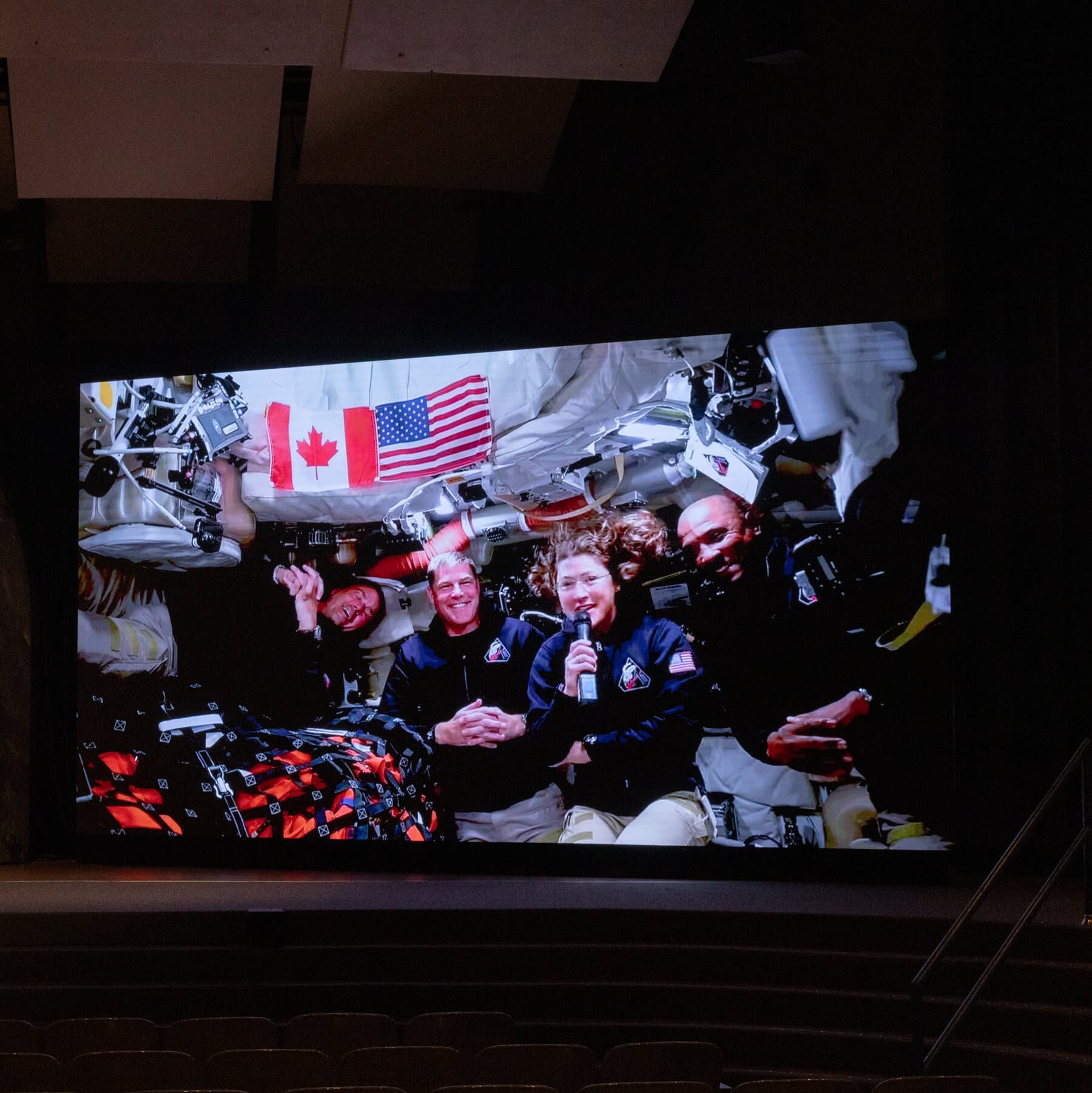
Here's what it means for you.
As space exploration advances, understanding these missions can impact investment opportunities and inspire innovation in various sectors.
Why it matters
The Artemis II mission represents a significant step in NASA's goal to establish a sustainable presence on the Moon, influencing future space policies and investments.
What happened (in 30 seconds)
- On April 6, 2026, NASA's Artemis II Orion spacecraft experienced a planned communications blackout for approximately 40 minutes during its lunar flyby.
- The blackout occurred as the spacecraft passed 4,067 miles from the Moon, reaching a record distance of 252,756 miles from Earth, surpassing Apollo 13's previous record.
- NASA confirmed that all systems were nominal post-blackout, with communications restored and the mission on track for a Pacific Ocean splashdown on April 10, 2026.
The context you actually need
- Artemis II is the first crewed Orion flight test beyond low Earth orbit since Apollo 17 in 1972, marking a pivotal moment in human space exploration.
- The mission's trajectory utilizes a gravitational assist from the Moon, testing systems for future lunar landings and establishing a foundation for sustainable lunar exploration.
- NASA's pre-planned blackout was a routine aspect of deep-space missions, with the crew trained for such scenarios, ensuring operational autonomy during critical phases.
What's really happening
The Artemis II mission, launched on April 1, 2026, is a critical component of NASA's Artemis program, which aims to return humans to the Moon and establish a sustainable presence there. The planned communications blackout during the lunar flyby on April 6 was a routine occurrence, as the Moon obstructs radio signals between the spacecraft and Earth. This blackout lasted approximately 40 minutes, during which the crew continued to operate the spacecraft autonomously, relying on pre-loaded navigation data.
The significance of this mission extends beyond the immediate operational success. By reaching a distance of 252,756 miles from Earth, Artemis II surpassed the Apollo 13 record by 4,111 miles, showcasing advancements in technology and mission planning. The crew, consisting of Commander Reid Wiseman, Pilot Victor Glover, and Mission Specialists Christina Koch and Jeremy Hansen, conducted various observations during their flyby, including solar eclipses and meteor impacts, further contributing to scientific knowledge.
The successful execution of the blackout and subsequent restoration of communications reflects NASA's preparedness and the crew's training, reinforcing public confidence in the agency's capabilities. Following the blackout, the crew reported positive experiences, including stunning views of Earth, which were shared with the public, enhancing interest in space exploration.
Moreover, the mission's momentum has implications for the burgeoning lunar economy, with space stocks like Intuitive Machines (LUNR) seeing gains tied to the mission's progress. As private investments in space exploration increase, the Artemis II mission serves as a catalyst for innovation and economic opportunities in the aerospace sector.
The implications of Artemis II extend to international partnerships and collaborations in space exploration. As countries like the UAE invest in their own space programs, the success of Artemis II may inspire further cooperation and competition in the global space landscape, ultimately influencing policies and funding allocations for future missions.
Who feels it first (and how)
- Investors in space technology: Increased confidence in lunar missions may lead to higher investments in related companies.
- Aerospace professionals: Opportunities for collaboration and innovation in technology and engineering sectors.
- Educational institutions: Enhanced interest in STEM fields as a result of increased public engagement with space exploration.
What to watch next
- Future Artemis missions: Monitor upcoming missions for advancements in technology and international collaboration.
- Market reactions: Watch for shifts in stock prices of companies involved in space exploration as the mission progresses.
- Public engagement: Keep an eye on educational initiatives and outreach programs inspired by the mission's success.
The blackout was a planned and routine aspect of the mission.
Increased investments in the lunar economy and related technologies.
The long-term impact on international space policy and collaboration.
Frequently Asked Questions
- Why it matters?
- The Artemis II mission represents a significant step in NASA's goal to establish a sustainable presence on the Moon, influencing future space policies and investments.
- What happened (in 30 seconds)?
- On April 6, 2026, NASA's Artemis II Orion spacecraft experienced a planned communications blackout for approximately 40 minutes during its lunar flyby. The blackout occurred as the spacecraft passed 4,067 miles from the Moon, reaching a record distance of 252,756 miles from Earth, surpassing Apollo 13's previous record. NASA confirmed that all systems were nominal post-blackout, with communications restored and the mission on track for a Pacific Ocean splashdown on April 10, 2026.
- What's really happening?
- The Artemis II mission, launched on April 1, 2026, is a critical component of NASA's Artemis program, which aims to return humans to the Moon and establish a sustainable presence there. The planned communications blackout during the lunar flyby on April 6 was a routine occurrence, as the Moon obstructs radio signals between the spacecraft and Earth. This blackout lasted approximately 40 minutes, during which the crew continued to operate the spacecraft autonomously, relying on pre-loaded navigat
- Who feels it first (and how)?
- Investors in space technology: Increased confidence in lunar missions may lead to higher investments in related companies. Aerospace professionals: Opportunities for collaboration and innovation in technology and engineering sectors. Educational institutions: Enhanced interest in STEM fields as a result of increased public engagement with space exploration.
- What to watch next?
- Future Artemis missions: Monitor upcoming missions for advancements in technology and international collaboration. Market reactions: Watch for shifts in stock prices of companies involved in space exploration as the mission progresses. Public engagement: Keep an eye on educational initiatives and outreach programs inspired by the mission's success.
Latest tech news, product reviews, and analysis for consumers and professionals.
"CNET delivers accessible and detailed technology reporting, including trusted product reviews and how-to guides."
— A47 Editor
It's Artemis II Splashdown Day for the Astronauts (Live Updates)
The Artemis II mission, featuring astronauts Reid Wiseman, Victor Glover, Christina Koch, and Jeremy Hansen, is set for splashdown today after a historic journey that included capturing stunning images of Earth and traveling farther from it than any ...
RT is a Russian state-funded network covering global events from a Russian perspective.
"RT is widely criticized for promoting pro-Kremlin narratives and is considered by many to be a state propaganda outlet."
— A47 Editor
America heads back to the Moon. But there’s a big problem
NASA's Artemis II mission has successfully completed a historic lunar flyby, marking the first crewed journey to the Moon in over 50 years. The Orion spacecraft, which launched on April 1, 2026, encountered a temporary communication loss during the f...
Science and technology stories including AI.
"Longstanding science magazine with thoughtful AI coverage."
— A47 Editor
NASA’s Artemis era may finally solve three major moon mysteries
NASA's Artemis II mission successfully launched on April 1, 2026, marking the first crewed flight to the Moon in over 50 years, with four astronauts aboard the Orion spacecraft. This mission aims to explore the lunar surface and gather data that coul...
Scientific research, technology, environment, and society.
"Scientific American is one of the oldest and most authoritative science magazines, known for deep dives into science, technology, and society."
— A47 Editor
NASA’s Artemis era may finally solve three major moon mysteries
NASA's Artemis II mission successfully launched on April 1, 2026, marking the first crewed flight to the Moon in over 50 years, with four astronauts aboard the Orion spacecraft. This mission aims to explore the lunar surface and gather data that coul...
Science and technology stories including AI.
"Longstanding science magazine with thoughtful AI coverage."
— A47 Editor
NASA’s Artemis II ‘free return’ trajectory lets gravity do the driving
NASA's Artemis II mission, launched on April 1, 2026, utilizes a 'free return' trajectory that leverages gravitational forces to navigate from Earth to the Moon and back. This mission marks a significant milestone as it is the first crewed flight to ...
Scientific research, technology, environment, and society.
"Scientific American is one of the oldest and most authoritative science magazines, known for deep dives into science, technology, and society."
— A47 Editor
NASA’s Artemis II ‘free return’ trajectory lets gravity do the driving
NASA's Artemis II mission, launched on April 1, 2026, utilizes a 'free return' trajectory that leverages gravitational forces to navigate from Earth to the Moon and back. This mission marks a significant milestone as it is the first crewed flight to ...
Space science news, astronomy updates, and spaceflight developments.
"Space.com delivers space science news, astronomy updates, and spaceflight developments with engaging coverage."
— A47 Editor
Moon milestones: A rundown of Artemis 2's many spaceflight firsts
NASA's Artemis 2 mission successfully launched on April 1, 2026, marking the first crewed lunar flight in over 50 years, with four astronauts aboard the Orion spacecraft. This mission represents a significant milestone in space exploration as it aims...
Science and technology stories including AI.
"Longstanding science magazine with thoughtful AI coverage."
— A47 Editor
Trump speaks with NASA's Artemis II astronauts after historic moon flyby
On April 7, 2026, U.S. President Trump congratulated the astronauts aboard NASA's Artemis II mission during a call, celebrating their historic journey around the Moon aboard the Orion spacecraft. This mission, which launched on April 1, 2026, marks t...
Scientific research, technology, environment, and society.
"Scientific American is one of the oldest and most authoritative science magazines, known for deep dives into science, technology, and society."
— A47 Editor
Trump speaks with NASA's Artemis II astronauts after historic moon flyby
On April 7, 2026, U.S. President Trump congratulated the astronauts aboard NASA's Artemis II mission during a call, celebrating their historic journey around the Moon aboard the Orion spacecraft. This mission, which launched on April 1, 2026, marks t...
Scientific research, technology, environment, and society.
"Scientific American is one of the oldest and most authoritative science magazines, known for deep dives into science, technology, and society."
— A47 Editor
NASA’s Artemis II crew experience total solar eclipse from space
NASA's Artemis II mission, which launched on April 1, 2026, has allowed its crew aboard the Orion spacecraft to witness a total solar eclipse from space, with the moon fully blocking the sun's disk for nearly an hour.
Science and technology stories including AI.
"Longstanding science magazine with thoughtful AI coverage."
— A47 Editor
NASA’s Artemis II crew experience total solar eclipse from space
NASA's Artemis II mission, which launched on April 1, 2026, has allowed its crew aboard the Orion spacecraft to witness a total solar eclipse from space, with the moon fully blocking the sun's disk for nearly an hour.
Scientific research, technology, environment, and society.
"Scientific American is one of the oldest and most authoritative science magazines, known for deep dives into science, technology, and society."
— A47 Editor
NASA’s Artemis II moon mission reaches greatest distance from Earth
NASA's Artemis II moon mission has reached its greatest distance from Earth during a 40-minute communication blackout with mission control. This milestone occurred as the crew approached the Moon, marking a significant phase in their journey.
Science and technology stories including AI.
"Longstanding science magazine with thoughtful AI coverage."
— A47 Editor
NASA’s Artemis II moon mission reaches greatest distance from Earth
NASA's Artemis II moon mission has reached its greatest distance from Earth during a 40-minute communication blackout with mission control. This milestone occurred as the crew approached the Moon, marking a significant phase in their journey.
Scientific research, space, environment, and health coverage.
"The New York Times is a globally recognized newspaper offering authoritative reporting with a center-left editorial stance."
— A47 Editor
As the astronauts lose contact with Earth, NASA isn’t worried.
NASA's Artemis II mission has successfully launched, with four astronauts aboard the Orion spacecraft, embarking on a journey around the Moon. As they travel, the crew will experience a radio blackout for approximately 40 minutes while passing behind...
Scientific research, space, environment, and health coverage.
"The New York Times is a globally recognized newspaper offering authoritative reporting with a center-left editorial stance."
— A47 Editor
How to Follow NASA’s Artemis II Around the Far Side of the Moon
NASA's Artemis II mission successfully launched on April 1, 2026, marking the first crewed flight to the Moon in over 50 years. The astronauts aboard the Orion spacecraft are set to experience a communications blackout as they travel around the far s...
Scientific research, space, environment, and health coverage.
"The New York Times is a globally recognized newspaper offering authoritative reporting with a center-left editorial stance."
— A47 Editor
Human eyes are seeing the far side of the moon for the first time in a long time.
The Artemis II mission has successfully launched, allowing astronauts aboard the Orion spacecraft to observe the far side of the Moon for the first time in over 50 years. This historic event took place on April 1, 2026, and marks a significant milest...
Scientific research, space, environment, and health coverage.
"The New York Times is a globally recognized newspaper offering authoritative reporting with a center-left editorial stance."
— A47 Editor
Exploring the Far Side of the Moon
NASA's Artemis II mission is currently underway, with astronauts aboard the Orion spacecraft exploring the far side of the Moon after successfully leaving Earth's orbit on April 1, 2026. This mission marks the first crewed lunar flight in over 50 yea...
Scientific research, technology, environment, and society.
"Scientific American is one of the oldest and most authoritative science magazines, known for deep dives into science, technology, and society."
— A47 Editor
NASA’s Artemis II mission is about to pass behind the moon
NASA's Artemis II mission is currently on its fifth day in space, featuring space suit tests and final preparations for a close encounter with the Moon. The mission, which launched on April 1, 2026, includes four astronauts aboard the Orion spacecraf...
Science and technology stories including AI.
"Longstanding science magazine with thoughtful AI coverage."
— A47 Editor
NASA’s Artemis II mission is about to pass behind the moon
NASA's Artemis II mission is currently on its fifth day in space, having conducted space suit tests and engaged in an Easter egg hunt as it prepares for a close encounter with the Moon. The mission, which launched on April 1, 2026, is notable for bei...
Science and technology stories including AI.
"Longstanding science magazine with thoughtful AI coverage."
— A47 Editor
NASA’s Artemis II, endangered species and oil, low western U.S. snowpack
NASA's Artemis II mission successfully launched on April 1, 2026, marking a historic milestone as it sends four astronauts on a journey around the Moon, following the uncrewed Artemis I test flight. The mission aims to test the Orion spacecraft and i...
Scientific research, technology, environment, and society.
"Scientific American is one of the oldest and most authoritative science magazines, known for deep dives into science, technology, and society."
— A47 Editor
NASA’s Artemis II, endangered species and oil, low western U.S. snowpack
NASA's Artemis II mission successfully launched on April 1, 2026, marking a historic milestone as it sends four astronauts on a journey around the Moon, following the uncrewed Artemis I test flight. The mission aims to test the Orion spacecraft and i...
Space science news, astronomy updates, and spaceflight developments.
"Space.com delivers space science news, astronomy updates, and spaceflight developments with engaging coverage."
— A47 Editor
NASA Artemis 2 astronauts to make historic moon flyby today. Here's what to expect hour by hour (timeline)
NASA's Artemis 2 astronauts are set to make a historic moon flyby today, April 6, 2026, marking a significant milestone as the first crewed lunar mission since the Apollo era. The mission involves a carefully planned timeline that outlines the astron...
Scientific research, space, environment, and health coverage.
"The New York Times is a globally recognized newspaper offering authoritative reporting with a center-left editorial stance."
— A47 Editor
Meet the Astronauts of NASA’s Artemis II Moon Mission
NASA's Artemis II mission is set to launch on April 1, 2026, featuring a crew of four astronauts who will embark on a 10-day journey around the moon, marking the first crewed lunar mission in over 50 years. This mission aims to advance human explorat...