
NATO Secretary General briefs allies on Trump's demands for Strait of Hormuz security commitments
Here's what it means for you.
Rising oil prices and potential supply disruptions could impact your business costs and travel expenses.
Why it matters
The Strait of Hormuz is a critical chokepoint for global oil trade, affecting energy prices and economic stability worldwide.
What happened (in 30 seconds)
- On April 8, 2026, NATO Secretary General Mark Rutte met with U.S. President Donald Trump, who demanded immediate commitments from allies to secure the Strait of Hormuz.
- Following Iran's blockade of the strait since late February 2026, oil prices surged above $110 per barrel, prompting urgent calls for NATO involvement.
- European diplomats indicated that while allies are considering responses, they aim for long-term solutions without direct NATO military involvement in the ongoing conflict.
The context you actually need
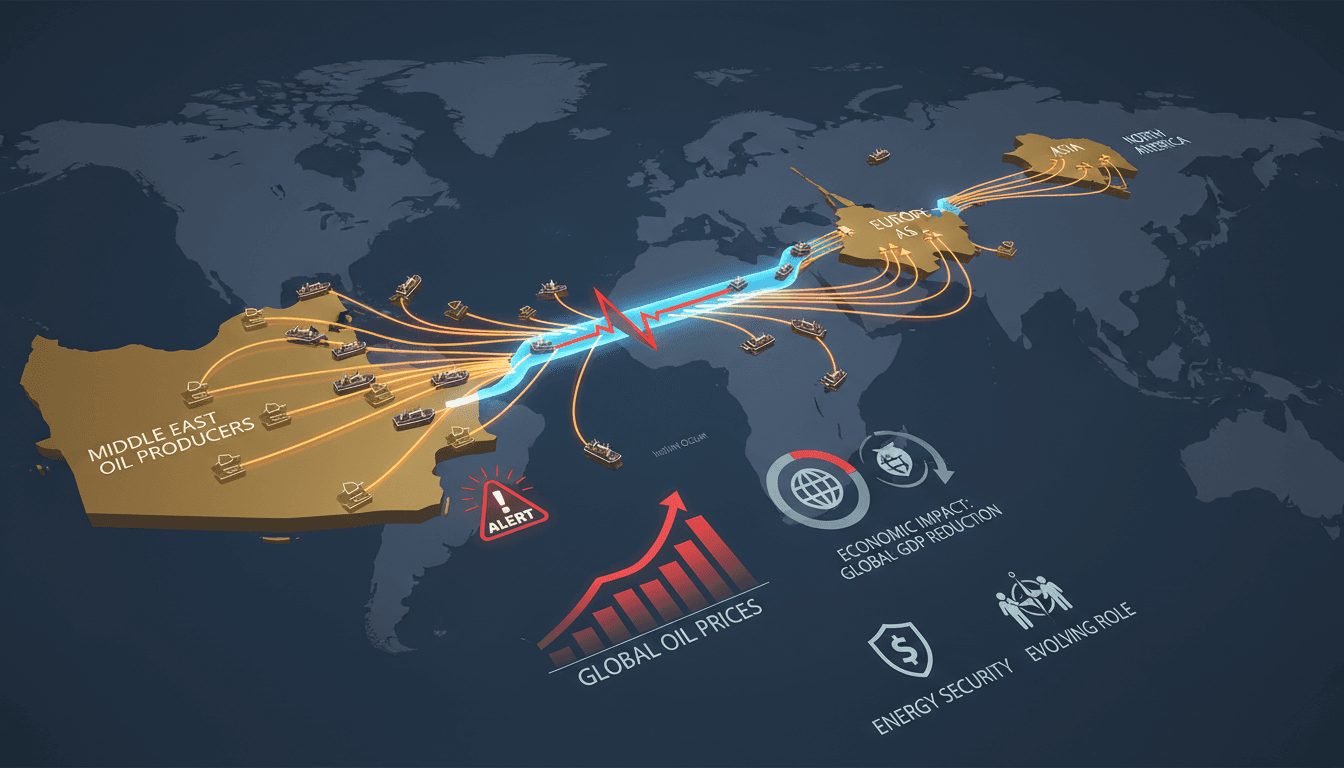
- The Strait of Hormuz handles approximately 20% of global seaborne oil trade, making it a vital artery for energy supplies.
- Iran's blockade has led to significant disruptions in oil supply, causing prices to rise sharply and impacting economies reliant on oil imports.
- NATO's collective defense under Article 5 has been a point of contention, with allies hesitant to engage in a conflict viewed as outside their mandate.
What's really happening
The recent escalation in the Strait of Hormuz crisis has put significant pressure on NATO and its member states to respond to U.S. demands for security commitments. Following a meeting between NATO Secretary General Mark Rutte and U.S. President Donald Trump, the urgency for concrete commitments from allies has heightened. Trump’s frustration with NATO's perceived inaction during the Iran conflict reflects a broader tension regarding the alliance's role in global security matters.
The blockade imposed by Iran has not only disrupted a critical shipping route but has also led to soaring oil prices, which have exceeded $110 per barrel. This spike in oil prices has direct implications for economies worldwide, particularly those heavily reliant on oil imports. The U.S. has urged NATO allies to provide naval and logistical support to reopen the Strait, emphasizing the need for a unified response to secure this vital waterway.
Despite the urgency, European diplomats have expressed a cautious approach, seeking long-term solutions while avoiding direct military involvement in the conflict. This reflects a broader reluctance among NATO members to engage in actions that could escalate tensions further. The ongoing discussions among allies reveal a complex interplay of national interests, economic pressures, and geopolitical dynamics.
Trump's public criticism of NATO, including statements about its historical shortcomings, underscores the pressure on the alliance to adapt to new security challenges. As oil markets remain volatile and the situation in the Strait of Hormuz evolves, the implications for global energy supplies and economic stability are significant. The potential for increased military presence in the region could alter the balance of power and impact international relations, particularly with Iran.
In summary, the demand for NATO commitments to secure the Strait of Hormuz is a pivotal moment that could reshape the alliance's role in global security and has far-reaching implications for energy markets and international diplomacy.
Who feels it first (and how)
- Oil-importing nations: Increased costs and potential supply shortages could strain budgets and economic growth.
- Energy sector companies: Volatility in oil prices may affect profit margins and operational planning.
- Consumers: Rising fuel prices could lead to higher transportation and goods costs, impacting daily expenses.
- Regional businesses in Dubai: Heightened security risks and shipping disruptions could affect trade and tourism.
What to watch next
- NATO's response: The nature and speed of commitments made by NATO allies will indicate the alliance's willingness to engage in Middle Eastern security matters.
- Oil price fluctuations: Continued volatility in oil prices will signal the economic impact of the ongoing crisis and influence global markets.
- Iran's actions: Monitoring Iran's military and diplomatic moves will be crucial in assessing the potential for escalation or de-escalation in the region.
The Strait of Hormuz is critical for global oil trade, with 20% of seaborne oil passing through daily.
NATO will face pressure to respond to U.S. demands for commitments, impacting its future role in global security.
The long-term implications of the Iran blockade on global oil markets and geopolitical stability remain uncertain.
Frequently Asked Questions
- Why it matters?
- The Strait of Hormuz is a critical chokepoint for global oil trade, affecting energy prices and economic stability worldwide.
- What happened (in 30 seconds)?
- On April 8, 2026, NATO Secretary General Mark Rutte met with U.S. President Donald Trump, who demanded immediate commitments from allies to secure the Strait of Hormuz. Following Iran's blockade of the strait since late February 2026, oil prices surged above $110 per barrel, prompting urgent calls for NATO involvement. European diplomats indicated that while allies are considering responses, they aim for long-term solutions without direct NATO military involvement in the ongoing conflict.
- What's really happening?
- The recent escalation in the Strait of Hormuz crisis has put significant pressure on NATO and its member states to respond to U.S. demands for security commitments. Following a meeting between NATO Secretary General Mark Rutte and U.S. President Donald Trump, the urgency for concrete commitments from allies has heightened. Trump’s frustration with NATO's perceived inaction during the Iran conflict reflects a broader tension regarding the alliance's role in global security matters. The blockade
- Who feels it first (and how)?
- Oil-importing nations: Increased costs and potential supply shortages could strain budgets and economic growth. Energy sector companies: Volatility in oil prices may affect profit margins and operational planning. Consumers: Rising fuel prices could lead to higher transportation and goods costs, impacting daily expenses. Regional businesses in Dubai: Heightened security risks and shipping disruptions could affect trade and tourism.
- What to watch next?
- NATO's response: The nature and speed of commitments made by NATO allies will indicate the alliance's willingness to engage in Middle Eastern security matters. Oil price fluctuations: Continued volatility in oil prices will signal the economic impact of the ongoing crisis and influence global markets. Iran's actions: Monitoring Iran's military and diplomatic moves will be crucial in assessing the potential for escalation or de-escalation in the region.
Global business headlines with AI angles.
"General business outlet that frequently covers AI."
— A47 Editor
NATO Secretary General Reportedly Says Trump Wants Concrete Commitments On Strait Of Hormuz Within Days
NATO Secretary General Mark Rutte has informed European leaders that President Donald Trump is seeking concrete commitments regarding the passage through the Strait of Hormuz within days, as negotiations are set to take place in Pakistan. This reques...
Arabic-language coverage of political affairs and current events.
"Okaz political coverage typically follows mainstream Saudi framing on national and regional affairs."
— A47 Editor
أمريكا تطالب «الناتو» بتعهدات محددة لتأمين «هرمز»
The United States has demanded specific commitments from its European allies regarding their assistance in securing navigation through the Strait of Hormuz. This request was made during discussions between U.S. officials and NATO representatives at t...