
White House Considers Ceasefire Proposals in US-Iran War Negotiations
Here's what it means for you.
If you rely on global energy markets, the outcome of US-Iran negotiations could directly impact your fuel costs and economic stability.
Why it matters
The ongoing US-Iran war and the potential for a ceasefire are critical to stabilizing global energy prices, which affect economies worldwide.
What happened (in 30 seconds)
- On April 7, 2026, the White House announced it is reviewing multiple ceasefire proposals amid escalating US-Iran war negotiations.
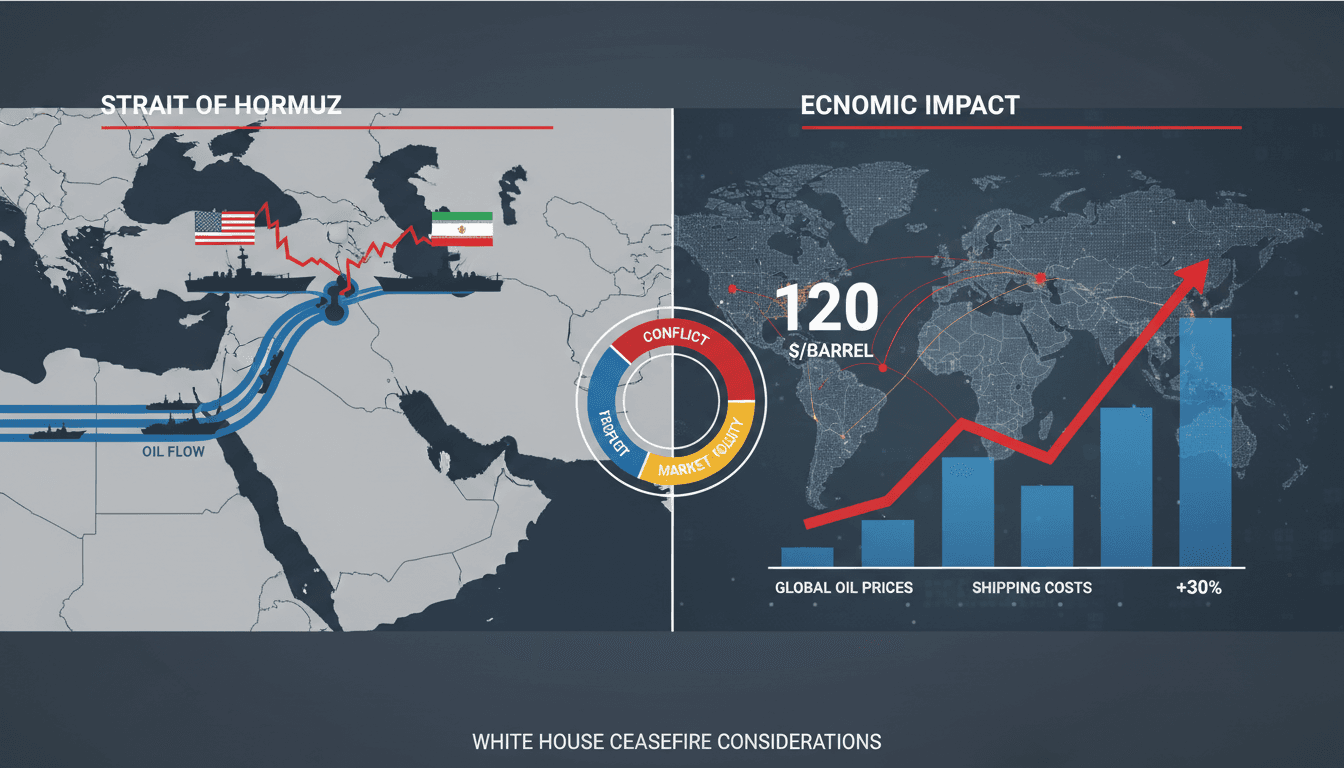
- Iran's closure of the Strait of Hormuz has disrupted approximately 20% of global oil shipments, causing Brent crude prices to spike above $120 per barrel.
- President Trump issued ultimatums threatening intensified military action if a deal is not reached by April 8, 2026.
The context you actually need
- The 2026 Iran War began on February 28, 2026, following US-Israeli strikes against Iranian targets, leading to retaliatory actions from Iran.
- Iran's military losses have exceeded 6,000 personnel since the conflict began, indicating the war's intensity and the stakes involved.
- Global oil markets are already experiencing volatility, with potential inflationary pressures in oil-dependent economies like the UAE and Saudi Arabia.
What's really happening
The current negotiations between the US and Iran are a response to a rapidly escalating conflict that has already disrupted global energy markets. The war began with coordinated strikes by the US and Israel against Iranian military and nuclear facilities, which Iran perceived as an existential threat. In retaliation, Iran closed the Strait of Hormuz, a vital shipping lane for oil, leading to significant disruptions in global oil supply. This closure has not only caused Brent crude prices to soar but has also heightened tensions in an already volatile region.
The White House's review of multiple ceasefire proposals, including a mediator-proposed 45-day truce, reflects a growing urgency to stabilize the situation. President Trump's ultimatum to Iran underscores the precarious nature of these negotiations. The US administration is under pressure to demonstrate a strong stance while also recognizing the economic implications of prolonged conflict. If the ceasefire proposals are rejected or fail to lead to a lasting peace, the US may escalate military actions, further destabilizing the region and exacerbating global oil supply issues.
Iran's insistence on permanent cessation and reparations complicates the negotiations. The Iranian government is wary of temporary measures that do not address its broader security concerns. This dynamic creates a challenging environment for mediators, who must balance the demands of both sides while considering the wider implications for international relations and global markets.
As the deadline approaches, the stakes are high. The potential for increased military action could lead to further disruptions in oil supply, impacting prices and economic stability worldwide. The situation is fluid, and the outcome of these negotiations will have far-reaching consequences not only for the US and Iran but also for global energy markets and economies reliant on stable oil prices.
Who feels it first (and how)
- Consumers: Higher fuel prices directly impact household budgets and spending power.
- Businesses: Companies reliant on oil for production and transportation face increased costs, potentially leading to higher prices for goods.
- Investors: Stock market volatility may affect investment portfolios, particularly in energy sectors.
- Governments: Countries dependent on oil exports may see fluctuating revenues, impacting public services and economic stability.
What to watch next
- Ceasefire Agreement: A successful ceasefire could stabilize oil prices and reduce inflationary pressures; failure could lead to further military escalation.
- Oil Price Trends: Monitor Brent crude prices for indications of market stability or volatility, which will affect global economic conditions.
- Diplomatic Developments: Watch for shifts in negotiations or new proposals from mediators that could influence the trajectory of the conflict.
The US-Iran war has led to significant disruptions in global oil supply and price volatility.
Continued negotiations will be fraught with challenges, and the potential for military escalation remains high.
The long-term implications of any ceasefire agreement on regional stability and global energy markets.
Frequently Asked Questions
- Why it matters?
- The ongoing US-Iran war and the potential for a ceasefire are critical to stabilizing global energy prices, which affect economies worldwide.
- What happened (in 30 seconds)?
- On April 7, 2026, the White House announced it is reviewing multiple ceasefire proposals amid escalating US-Iran war negotiations. Iran's closure of the Strait of Hormuz has disrupted approximately 20% of global oil shipments, causing Brent crude prices to spike above $120 per barrel. President Trump issued ultimatums threatening intensified military action if a deal is not reached by April 8, 2026.
- What's really happening?
- The current negotiations between the US and Iran are a response to a rapidly escalating conflict that has already disrupted global energy markets. The war began with coordinated strikes by the US and Israel against Iranian military and nuclear facilities, which Iran perceived as an existential threat. In retaliation, Iran closed the Strait of Hormuz, a vital shipping lane for oil, leading to significant disruptions in global oil supply. This closure has not only caused Brent crude prices to soar
- Who feels it first (and how)?
- Consumers: Higher fuel prices directly impact household budgets and spending power. Businesses: Companies reliant on oil for production and transportation face increased costs, potentially leading to higher prices for goods. Investors: Stock market volatility may affect investment portfolios, particularly in energy sectors. Governments: Countries dependent on oil exports may see fluctuating revenues, impacting public services and economic stability.
- What to watch next?
- Ceasefire Agreement: A successful ceasefire could stabilize oil prices and reduce inflationary pressures; failure could lead to further military escalation. Oil Price Trends: Monitor Brent crude prices for indications of market stability or volatility, which will affect global economic conditions. Diplomatic Developments: Watch for shifts in negotiations or new proposals from mediators that could influence the trajectory of the conflict.
Arabic-language coverage of Saudi, regional, and international affairs.
"Al Bilad offers mainstream Saudi newspaper coverage across domestic and broader Arab topics."
— A47 Editor
وسط مفاوضات دولية مكثفة.. البيت الأبيض يبحث مقترحات متعددة لوقف الحرب
A senior official at the White House revealed that a proposal for a 45-day ceasefire in the ongoing conflict between the United States and Iran is still under consideration, among several options currently being discussed. The official emphasized tha...
Pan-Arab news coverage spanning politics, business, sports, and regional affairs.
"Asharq Al-Awsat reflects a broad Arab editorial perspective with strong attention to regional geopolitics."
— A47 Editor
البيت الأبيض: أميركا تلقت اقتراحاً لوقف النار مع إيران... وترمب «لم يصادق عليه»
The White House confirmed on Monday that the United States is considering a proposal from mediators for a 45-day ceasefire with Iran; however, President Donald Trump has not approved it.
Pan-Arab news coverage spanning politics, business, sports, and regional affairs.
"Asharq Al-Awsat reflects a broad Arab editorial perspective with strong attention to regional geopolitics."
— A47 Editor
البيت الأبيض: تلقينا اقتراحاً لوقف النار مع إيران 45 يوماً... لكن ترمب «لم يصادق عليه»
The White House confirmed that the United States is considering a proposal from mediators for a 45-day ceasefire with Iran; however, President Donald Trump has not approved it.
Arabic-language UAE newspaper coverage focused on domestic affairs, public institutions, business, society, and regional developments.
"Al Khaleej coverage generally reflects a mainstream UAE editorial lens with strong attention to public affairs, institutions, and regional developments."
— A47 Editor
البيت الأبيض: ترامب لم يصادق على هدنة الـ45 يوماً مع إيران
The White House confirmed on Monday that the United States is considering a proposal put forth by mediators for a 45-day ceasefire with Iran. This statement indicates ongoing discussions regarding tensions between the two nations and highlights the r...
Arabic-language political and world news coverage for UAE readers.
"Emarat Al Youm world coverage usually presents international developments through a UAE and Arab audience lens."
— A47 Editor
البيت الأبيض: ترامب لم يصادق على اقتراح الوسطاء وقف إطلاق النار مع إيران لمدة 45 يوماً البيت الأبيض: ترامب لم يصادق على اقتراح الوسطاء وقف إطلاق النار مع إيران لمدة 45 يوماً
The White House confirmed on Monday that the United States is considering a proposal from mediators for a 45-day ceasefire with Iran, although President Trump has not yet endorsed the suggestion. This statement reflects ongoing diplomatic efforts to ...