
U.S. Gasoline Prices Surge 25% Amid Ongoing U.S.-Israeli Conflict with Iran
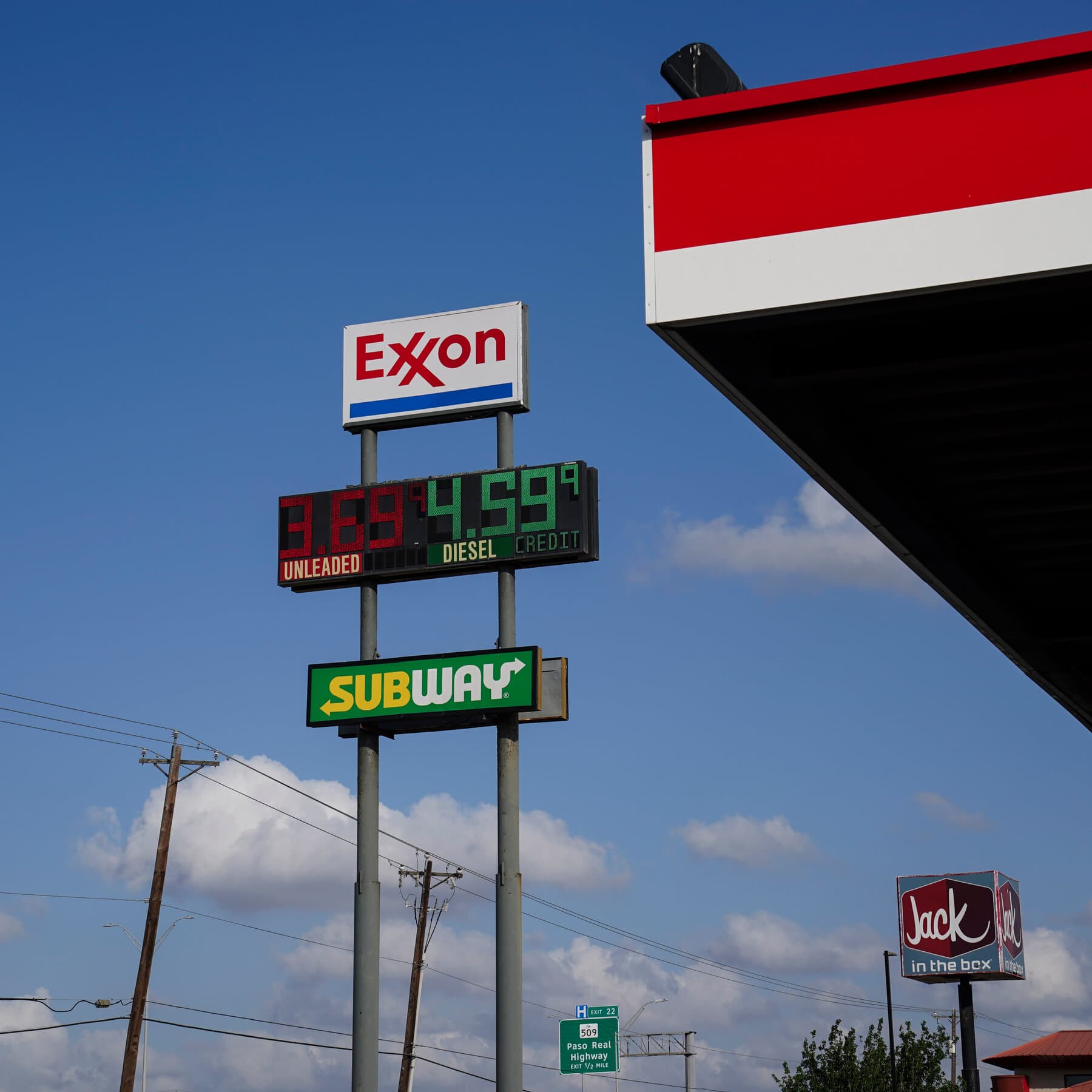
Here's what it means for you.
Rising gasoline prices are set to strain your budget and impact inflation, affecting everything from commuting costs to consumer goods.
Why it matters
The surge in gasoline prices is a direct consequence of geopolitical tensions that threaten global oil supply, impacting consumers and businesses alike.
What happened (in 30 seconds)
- Gasoline prices soared 25% from February to March 2026, marking the largest monthly increase since 1990.
- Crude oil prices jumped nearly 50% due to the U.S.-Israeli military conflict with Iran, threatening oil transit through the Strait of Hormuz.
- April forecasts predict further increases, with gasoline prices expected to average around $4.30 per gallon amid ongoing geopolitical uncertainties.
The context you actually need
- The conflict began in late February 2026, when the U.S. and Israel initiated military actions against Iran, leading to a rapid escalation in crude oil prices.
- The Strait of Hormuz is critical, as it accounts for 20% of global oil supply, making any threats to its security a significant concern for international markets.
- Inflation pressures are compounded by the Federal Reserve's decision to maintain elevated interest rates, diverging from typical responses to oil price shocks, which could lead to a recession.
What's really happening
The recent surge in gasoline prices is deeply rooted in a complex interplay of geopolitical tensions and economic factors. The U.S.-Israeli military engagement with Iran, which began in late February 2026, has directly threatened the stability of oil supplies from the Middle East. As the conflict escalated, crude oil prices skyrocketed by nearly 50%, reflecting market fears over the potential disruption of oil transit through the Strait of Hormuz. This strait is a crucial chokepoint for global oil shipments, and any instability in the region can lead to immediate price hikes as traders react to perceived risks.
The Energy Information Administration (EIA) reported a record 25% increase in U.S. gasoline prices from February to March 2026, with the national average rising from $2.91 to $3.64 per gallon. This surge is unprecedented in the historical context of gasoline pricing, as it marks the largest monthly percentage increase since tracking began in 1990. The implications of this price spike are far-reaching, particularly as it coincides with a broader economic landscape characterized by high inflation and sustained interest rates from the Federal Reserve.
As gasoline prices rise, consumers face increased costs at the pump, which can lead to reduced disposable income and altered spending habits. Businesses, particularly those reliant on transportation and logistics, are also feeling the pinch, as elevated fuel costs translate into higher operational expenses. This scenario creates a ripple effect throughout the economy, where businesses may pass on these costs to consumers, further exacerbating inflationary pressures.
The Federal Reserve's current stance of maintaining high interest rates complicates the situation. Unlike previous oil shocks, where the Fed would typically lower rates to stimulate the economy, the ongoing inflationary environment requires a more cautious approach. This divergence from historical norms raises the risk of a recession, as consumers and businesses alike adjust to the new economic realities.
As of early April 2026, a tentative ceasefire has emerged, but the risks associated with shipping and oil supply remain high. The EIA has projected that gasoline prices could average around $4.30 per gallon in April, reflecting ongoing uncertainties in the market. The combination of geopolitical tensions, inflationary pressures, and high interest rates creates a precarious economic environment that could have lasting implications for consumers and businesses alike.
Who feels it first (and how)
- U.S. Consumers: Facing higher costs at the pump, leading to reduced disposable income.
- Transportation Sector: Increased fuel costs impacting logistics and operational expenses.
- Small Businesses: Struggling with elevated costs, potentially passing them on to consumers.
- Low-Income Households: Disproportionately affected by rising fuel prices, impacting essential travel and goods.
- Global Oil Companies: Experiencing increased revenues but also facing operational risks in volatile regions.
What to watch next
- Gasoline Price Trends: Monitor weekly price changes to gauge the impact of geopolitical developments and market reactions.
- Federal Reserve Policy: Watch for any shifts in interest rate strategies that could respond to inflation pressures or economic slowdown.
- Geopolitical Developments: Keep an eye on the status of the U.S.-Israeli conflict and any changes in the situation in Iran that could affect oil supply.
Gasoline prices have surged 25% in March 2026 due to geopolitical tensions.
Continued volatility in oil prices as the situation in the Middle East evolves.
The long-term economic impact of sustained high gasoline prices on consumer behavior and inflation.
Frequently Asked Questions
- Why it matters?
- The surge in gasoline prices is a direct consequence of geopolitical tensions that threaten global oil supply, impacting consumers and businesses alike.
- What happened (in 30 seconds)?
- Gasoline prices soared 25% from February to March 2026, marking the largest monthly increase since 1990. Crude oil prices jumped nearly 50% due to the U.S.-Israeli military conflict with Iran, threatening oil transit through the Strait of Hormuz. April forecasts predict further increases, with gasoline prices expected to average around $4.30 per gallon amid ongoing geopolitical uncertainties.
- What's really happening?
- The recent surge in gasoline prices is deeply rooted in a complex interplay of geopolitical tensions and economic factors. The U.S.-Israeli military engagement with Iran, which began in late February 2026, has directly threatened the stability of oil supplies from the Middle East. As the conflict escalated, crude oil prices skyrocketed by nearly 50%, reflecting market fears over the potential disruption of oil transit through the Strait of Hormuz. This strait is a crucial chokepoint for global o
- Who feels it first (and how)?
- U.S. Consumers: Facing higher costs at the pump, leading to reduced disposable income. Transportation Sector: Increased fuel costs impacting logistics and operational expenses. Small Businesses: Struggling with elevated costs, potentially passing them on to consumers. Low-Income Households: Disproportionately affected by rising fuel prices, impacting essential travel and goods. Global Oil Companies: Experiencing increased revenues but also facing operational risks in volatile regions.
- What to watch next?
- Gasoline Price Trends: Monitor weekly price changes to gauge the impact of geopolitical developments and market reactions. Federal Reserve Policy: Watch for any shifts in interest rate strategies that could respond to inflation pressures or economic slowdown. Geopolitical Developments: Keep an eye on the status of the U.S.-Israeli conflict and any changes in the situation in Iran that could affect oil supply.
Markets, economy, and company analysis from NYT’s business desk.
"The New York Times is a globally recognized newspaper offering authoritative reporting with a center-left editorial stance."
— A47 Editor
A Record Jump in U.S. Gasoline Prices Is Squeezing Consumers
The average price of a gallon of regular gasoline in the U.S. surged to $3.64 in March 2026, a significant increase from $2.91 in February, marking the largest monthly percentage rise in decades. This spike is largely attributed to ongoing tensions r...
Social/economic commentary and analysis relevant to business and markets.
"WSJ blends data-driven economic insight with commentary on policy and society."
— A47 Editor
Consumer prices soared in March, pushed higher by skyrocketing gasoline prices
Consumer prices in the U.S. surged in March, marking the highest inflation rate in two years, primarily driven by soaring gasoline prices amid the ongoing conflict in Iran. This inflation report is the first significant indicator of the economic impa...
Pan-Arab news coverage spanning politics, business, sports, and regional affairs.
"Asharq Al-Awsat reflects a broad Arab editorial perspective with strong attention to regional geopolitics."
— A47 Editor
الحرب ترفع التضخم الأميركي إلى أعلى وتيرة في 4 سنوات خلال مارس
In March, consumer prices in the United States experienced their largest increase in nearly four years, primarily driven by rising oil prices due to the ongoing conflict with Iran. This surge in inflation reflects the economic impact of geopolitical ...