
NASA to Develop Lunar Fission Surface Power Reactors by 2030
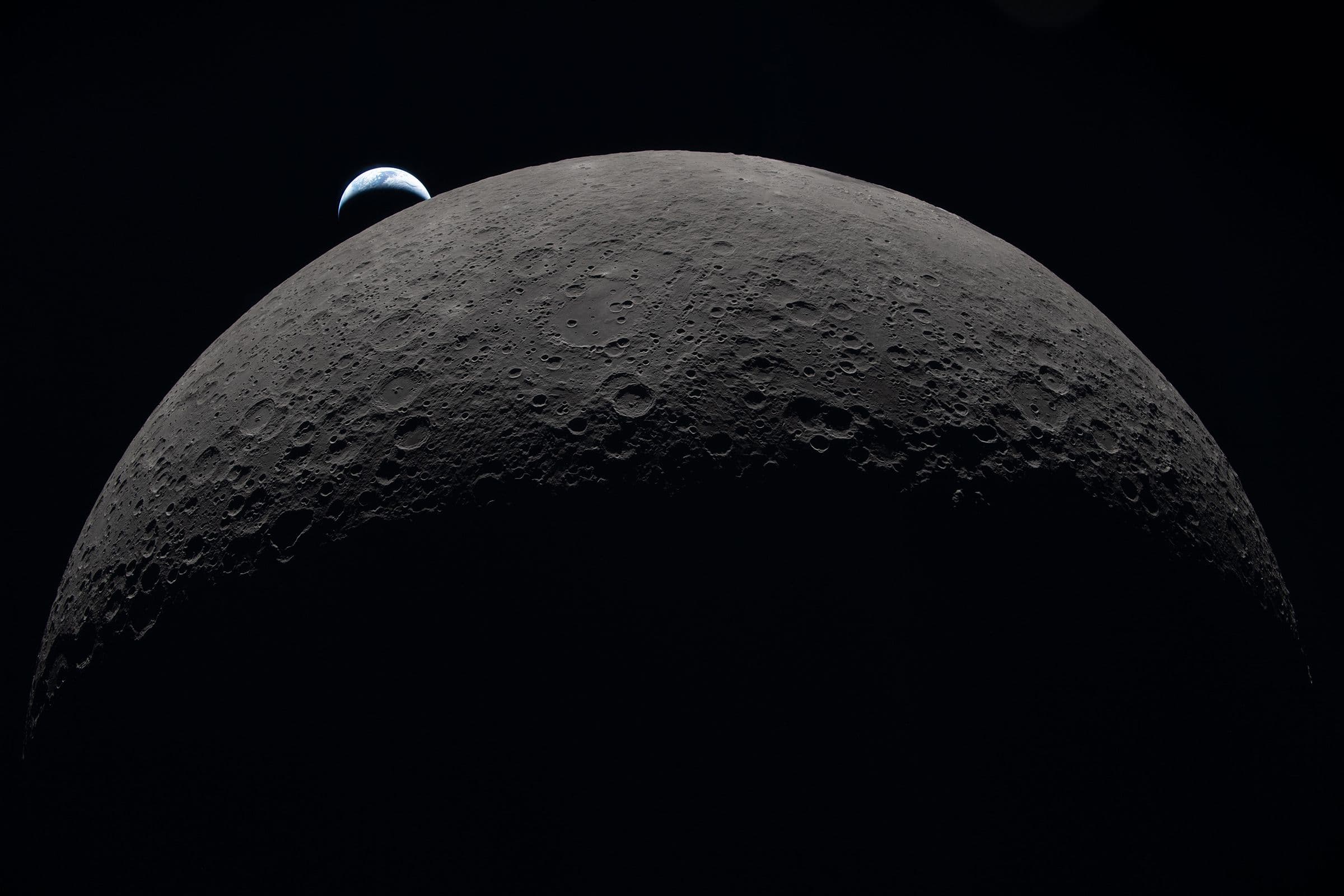
Here's what it means for you.
The push for lunar nuclear power could redefine energy solutions for long-term space missions, impacting industries from aerospace to energy.
What happened
On April 15, 2026, the White House directed NASA and other agencies to establish a National Initiative for American Space Nuclear Power, aiming for mid-power reactors on the Moon by 2030.
The Context
- Continuous power: The initiative addresses the limitations of solar energy during the Moon's 14-day nights, ensuring a reliable energy source for sustained human presence.
- Geopolitical strategy: This move counters plans by China and Russia for lunar reactors, reinforcing U.S. space leadership.
- Industry support: Following the announcement, nuclear stocks surged, reflecting optimism about the initiative's potential to usher in a new era of exploration.
The Number
— This is the target electrical power output for the initial lunar fission surface power system, enough to power 30 households continuously for 10 years, highlighting the project's scale and ambition.
Takeaway
As the initiative progresses, expect advancements in space technology and potential economic opportunities in the burgeoning space sector.
Emerging technologies, digital transformation, IT, and cultural impact of tech.
"WIRED covers the intersection of technology, culture, and politics with a progressive, forward-looking editorial stance."
— A47 Editor
NASA Wants to Put Nuclear Reactors on the Moon
The White House has announced that NASA will collaborate with the Departments of Defense and Energy to deploy nuclear reactors both in orbit and on the lunar surface. This initiative aims to enhance energy capabilities for future lunar missions and e...
Science and technology stories including AI.
"Longstanding science magazine with thoughtful AI coverage."
— A47 Editor
NASA needs nuclear power for its moon base. Here’s the White House plan to get it
The White House has unveiled a roadmap for NASA to establish a nuclear power source for a permanent moon base, aiming for implementation by 2028. This initiative is crucial for supporting sustained human presence on the lunar surface, which is a key ...
Scientific research, technology, environment, and society.
"Scientific American is one of the oldest and most authoritative science magazines, known for deep dives into science, technology, and society."
— A47 Editor
NASA needs nuclear power for its moon base. Here’s the White House plan to get it
The White House has unveiled a roadmap for NASA to establish a nuclear power source for a permanent moon base, aiming for implementation by 2028. This initiative is crucial for supporting sustained human presence on the lunar surface, which is a key ...
Conservative-leaning political and national coverage.
"The Washington Times is a conservative-leaning newspaper known for its political coverage and advocacy of right-of-center viewpoints."
— A47 Editor
Nuclear reactor on moon crucial to U.S. 'space superiority,' Trump officials say
Top officials from the Trump administration emphasized the necessity for the U.S. to establish a permanent lunar base, including a nuclear reactor, to maintain its space superiority over China and Russia during a recent space conference.
Conservative-leaning coverage of current events.
"Fox News is a highly influential conservative news outlet known for right-leaning political commentary and coverage."
— A47 Editor
Trump swings for moon with nuclear reactor plans as China, Russia team up in space race
The Trump administration has announced plans to establish a nuclear reactor on the Moon by 2030, aiming to enhance U.S. space exploration and defense capabilities amid a competitive landscape with China and Russia.