
Iran War Drives Up Fertilizer and Fuel Costs for US Farmers
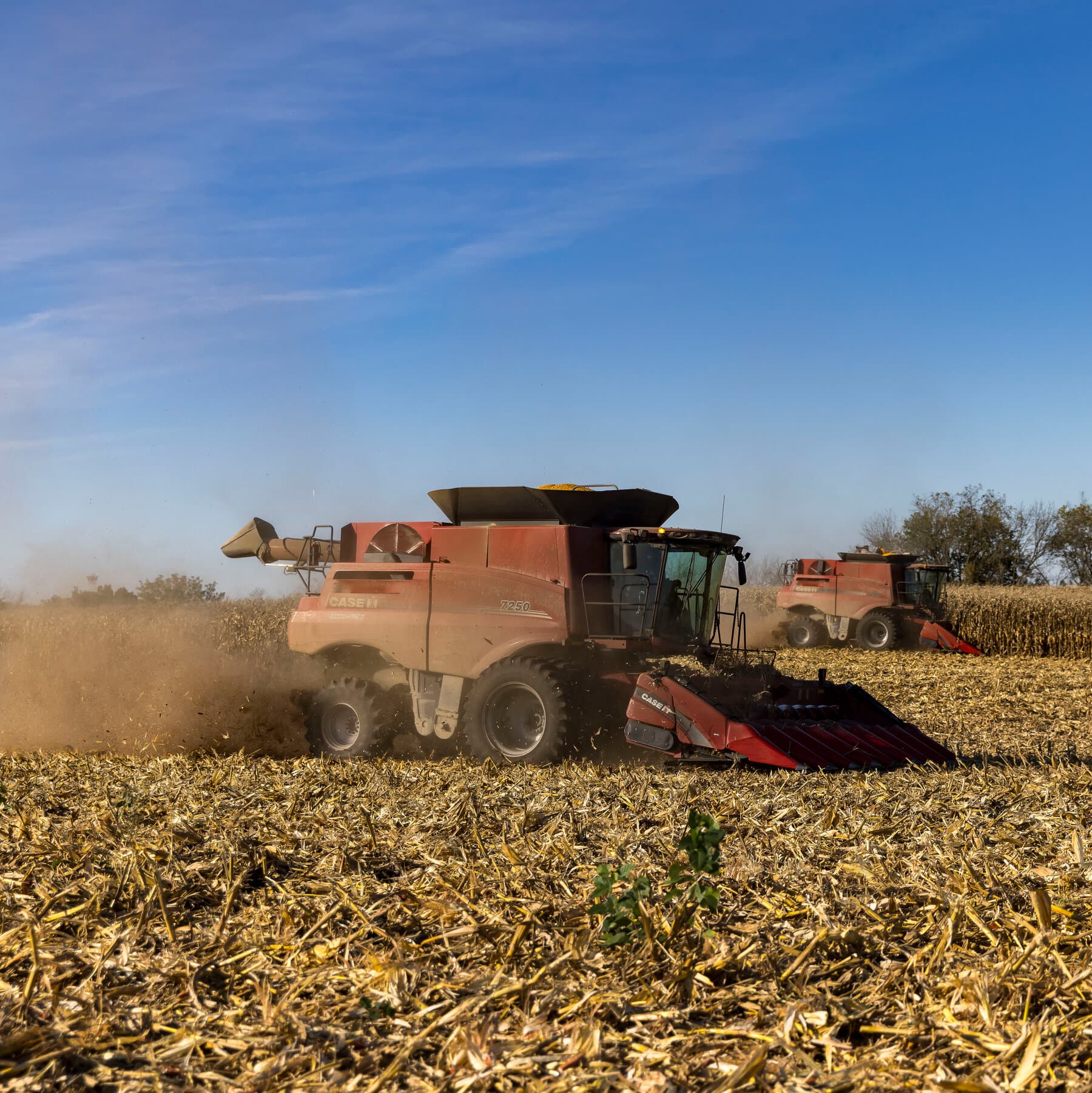
Here's what it means for you.
Rising agricultural input costs could impact food prices and availability, affecting your purchasing power.
What happened
Disruptions from the US-Israeli war with Iran in the Strait of Hormuz have halted fertilizer shipments, leading to increased prices for American farmers.
The Context
- High input costs: American farmers were already grappling with elevated expenses and stagnant crop prices due to previous global disruptions.
- Critical shipping route: The Strait of Hormuz is essential for transporting key fertilizer materials, making its stability vital for agricultural production.
- Pessimism ahead of planting: Farmers are increasingly concerned about profitability as they prepare for the spring planting season.
The Number
— Urea fertilizer prices per ton at the New Orleans port, up from $470, highlighting the financial strain on farmers.
Takeaway
Without policy interventions, the ongoing conflict could lead to significant losses for farmers, impacting the agricultural sector and food supply chains.
Oil, metals, and agriculture: supply/demand headlines, OPEC chatter, inventories, and price action.
"Solid tape for energy and metals traders tracking macro and micro catalysts."
— A47 Editor
Iran war deprives US farmers of affordable fertilizer as spring planting looms
The ongoing conflict involving Iran has significantly impacted U.S. farmers, depriving them of affordable fertilizer as the critical spring planting season approaches. The war has disrupted global supply chains, particularly affecting the availabilit...
Markets, economy, and company analysis from NYT’s business desk.
"The New York Times is a globally recognized newspaper offering authoritative reporting with a center-left editorial stance."
— A47 Editor
War With Iran Puts Further Strain on America’s Pessimistic Farmers
*# The ongoing U.S.-Israeli conflict with Iran has intensified challenges for American farmers, who were already facing a recession in the crop sector before the war began, with the Middle East's role in global fertilizer production compounding diffi...