
Iran Closes Strait of Hormuz Again Amid U.S. Naval Blockade
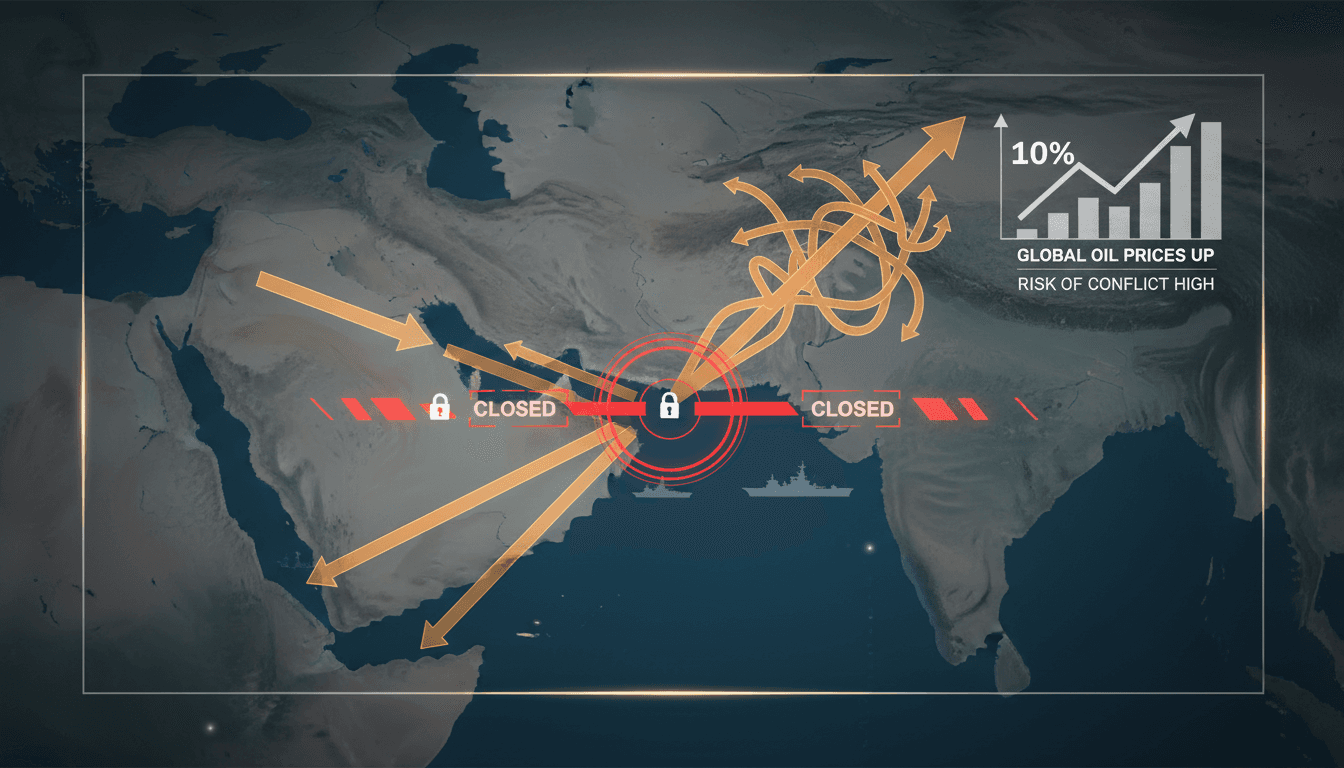
Here's what it means for you.
Rising oil prices and supply chain disruptions could impact your business operations and costs.
What happened
On April 18, 2026, Iran reclosed the Strait of Hormuz to commercial traffic, defying U.S. threats of military action.
The Context
- Geopolitical Tensions: The closure follows a series of failed peace talks and a U.S. naval blockade aimed at reopening the strait.
- Economic Impact: Approximately 20% of global oil trade passes through this strait, making its closure significant for global markets.
- Regional Reactions: The UAE condemned the closure as "economic terrorism," highlighting the broader implications for regional stability and trade.
The Number
— Global oil prices surged by this percentage following Iran's re-closure announcement, reflecting immediate market reactions to geopolitical instability.
Takeaway
Expect continued volatility in oil prices and potential disruptions in supply chains as tensions escalate in the region.
Arabic-language coverage of international news and geopolitics.
"RT Arabic is a Russian state-funded outlet often criticized for promoting Kremlin-aligned narratives."
— A47 Editor
إيران لا تبالي بتهديدات ترامب وتعيد إغلاق مضيق هرمز
Iran has disregarded threats from President Trump and has decided to close the Strait of Hormuz once again, marking a significant escalation in tensions in the region. This move comes amid ongoing confrontations and reflects Iran's stance against ext...
Regional and international reporting focused on Middle Eastern politics, diplomacy, and economics.
"Asharq Al-Awsat is a Saudi-owned international newspaper reflecting mainstream Gulf political perspectives."
— A47 Editor
Iran Command Says Has Closed Hormuz Again over US Blockade
Iran has declared the closure of the Strait of Hormuz once again, citing ongoing tensions with the United States, which has imposed a naval blockade affecting Iranian ports. This decision was made by Iranian officials as a response to perceived threa...