
NASA's Artemis II Mission Completes Planned Communications Blackout During Lunar Flyby
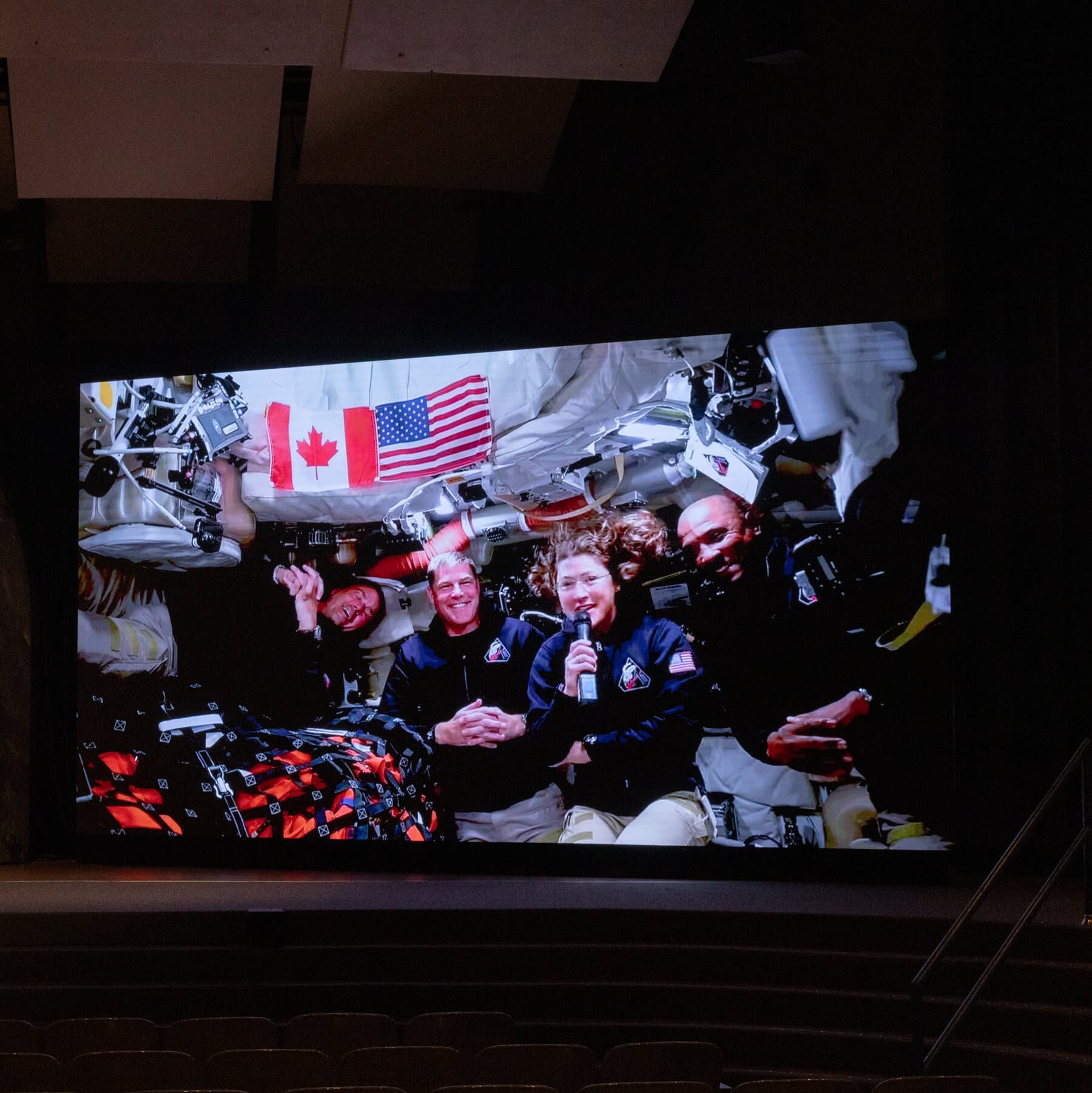
Here's what it means for you.
The Artemis II mission's success signals a new era of lunar exploration that could impact global space industries and technological advancements.
Why it matters
The Artemis program aims to reestablish human presence on the Moon, paving the way for future Mars missions and stimulating economic growth in space-related sectors.
What happened (in 30 seconds)
- NASA's Artemis II mission executed a planned 40-minute communications blackout during its lunar flyby on April 6, 2026.
- The Orion spacecraft reached a maximum distance of 248,655 miles from Earth, surpassing the Apollo 13 record.
- The crew successfully regained contact with Earth and completed their mission, splashing down safely on April 10, 2026.
The context you actually need
- Artemis II is the first crewed deep-space flight since Apollo 17 in 1972, marking a significant milestone in human space exploration.
- NASA's free-return trajectory ensures that the spacecraft can autonomously return to Earth, enhancing safety during missions.
- International collaboration includes partners like the Canadian Space Agency, reflecting a global commitment to advancing space exploration.
What's really happening
The Artemis II mission represents a critical step in NASA's broader Artemis program, which aims to establish a sustainable human presence on the Moon and facilitate future Mars exploration. Launched on April 1, 2026, the mission involved a series of deep-space maneuvers and preparations for a lunar flyby. The planned communications blackout, which occurred when the Orion spacecraft passed behind the Moon, was a routine procedure, allowing the crew to conduct surface observations and experience a solar eclipse.
This blackout lasted for 40 minutes, during which the crew was out of contact with mission control. NASA Administrator Jared Isaacman confirmed that the blackout was expected and did not pose any risk, thanks to the spacecraft's free-return trajectory. This trajectory is designed to ensure that even in the event of a failure, the spacecraft can return safely to Earth without requiring additional propulsion.
The mission's success is significant not only for NASA but also for the global space economy. As the Artemis program progresses, it is expected to stimulate investments in space technology and infrastructure, benefiting companies involved in aerospace, satellite communications, and related fields. The successful execution of Artemis II has already led to a rise in space-related stocks, including major players like Lockheed Martin and Boeing, reflecting renewed optimism in the lunar economy.
Moreover, the Artemis program aligns with international space ambitions, such as those of the UAE, which has been actively investing in its own space initiatives. The coverage of the Artemis II mission in Dubai media outlets highlights the global interest in lunar exploration and its potential implications for various sectors.
As the mission concluded with a safe splashdown on April 10, 2026, public and expert reactions emphasized the scientific gains achieved through lunar observations. This mission not only sets the stage for future lunar missions but also lays the groundwork for human exploration of Mars, which is a key goal for NASA and its international partners.
Who feels it first (and how)
- Aerospace companies: Increased investments and contracts for lunar exploration technologies.
- Government agencies: Enhanced collaboration on international space missions and research.
- Investors: Opportunities in space-related stocks and technologies.
- Scientists and researchers: Access to new data and findings from lunar observations.
- Space enthusiasts and the general public: Heightened interest in space exploration and potential tourism opportunities.
What to watch next
- Future Artemis missions: Watch for announcements regarding subsequent missions and their objectives, as they will shape the trajectory of lunar exploration.
- Technological advancements: Keep an eye on innovations emerging from the Artemis program that could have applications in other industries.
- International collaborations: Monitor partnerships between countries and private companies as they develop new space exploration initiatives.
The Artemis II mission successfully executed a planned communications blackout and achieved its objectives.
Future Artemis missions will continue to build on the successes of Artemis II, advancing lunar exploration.
The long-term economic impact of the Artemis program on global markets and industries remains to be fully assessed.
Frequently Asked Questions
- Why it matters?
- The Artemis program aims to reestablish human presence on the Moon, paving the way for future Mars missions and stimulating economic growth in space-related sectors.
- What happened (in 30 seconds)?
- NASA's Artemis II mission executed a planned 40-minute communications blackout during its lunar flyby on April 6, 2026. The Orion spacecraft reached a maximum distance of 248,655 miles from Earth, surpassing the Apollo 13 record. The crew successfully regained contact with Earth and completed their mission, splashing down safely on April 10, 2026.
- What's really happening?
- The Artemis II mission represents a critical step in NASA's broader Artemis program, which aims to establish a sustainable human presence on the Moon and facilitate future Mars exploration. Launched on April 1, 2026, the mission involved a series of deep-space maneuvers and preparations for a lunar flyby. The planned communications blackout, which occurred when the Orion spacecraft passed behind the Moon, was a routine procedure, allowing the crew to conduct surface observations and experience a
- Who feels it first (and how)?
- Aerospace companies: Increased investments and contracts for lunar exploration technologies. Government agencies: Enhanced collaboration on international space missions and research. Investors: Opportunities in space-related stocks and technologies. Scientists and researchers: Access to new data and findings from lunar observations. Space enthusiasts and the general public: Heightened interest in space exploration and potential tourism opportunities.
- What to watch next?
- Future Artemis missions: Watch for announcements regarding subsequent missions and their objectives, as they will shape the trajectory of lunar exploration. Technological advancements: Keep an eye on innovations emerging from the Artemis program that could have applications in other industries. International collaborations: Monitor partnerships between countries and private companies as they develop new space exploration initiatives.
Reports on climate change, environmental science, sustainability, and nature.
"BBC News is widely regarded as a reputable international news organization, known for its impartial tone and public service mandate."
— A47 Editor
BBC tours Orion spacecraft model ahead of Artemis II return
The Orion spacecraft is set to return the Artemis II crew to Earth on April 10, 2026, following a successful mission that included a historic lunar flyby. The crew, which launched on April 1, 2026, has conducted various tests and maneuvers aboard the...
Global markets, investing, and macroeconomics from a premier financial newsroom.
"Bloomberg is respected for in-depth financial reporting and data-driven analysis."
— A47 Editor
With Artemis II, NASA Readies the Lunar Economy
NASA's Artemis II mission successfully launched on April 1, 2026, marking the agency's first crewed lunar mission in over 50 years, as four astronauts embarked on a journey to the Moon from Kennedy Space Center in Florida. This mission is a significa...
Scientific research, technology, environment, and society.
"Scientific American is one of the oldest and most authoritative science magazines, known for deep dives into science, technology, and society."
— A47 Editor
NASA’s Artemis moon missions are a game changer for astronomy
NASA's Artemis program has successfully launched its Artemis II mission on April 1, 2026, marking the first crewed flight to the Moon in over 50 years, with four astronauts aboard the Orion spacecraft. This mission aims to explore the lunar surface a...
Science and technology stories including AI.
"Longstanding science magazine with thoughtful AI coverage."
— A47 Editor
NASA’s Artemis moon missions are a game changer for astronomy
NASA's Artemis program has successfully launched its Artemis II mission, marking the first crewed flight to the Moon in over 50 years, with four astronauts aboard the Orion spacecraft. This mission, which took off from Kennedy Space Center on April 1...
Tech news, hardware, and AI tools coverage.
"PC/tech site increasingly covering AI hardware and apps."
— A47 Editor
NASA just dropped new high-quality Moon photos from Artemis II
NASA has released around two dozen high-resolution photos of the Moon captured by the Artemis II mission crew, which marks the first crewed flight to the Moon in over 50 years. The mission, launched on April 1, 2026, features four astronauts aboard t...
RT is a Russian state-funded network covering global events from a Russian perspective.
"RT is widely criticized for promoting pro-Kremlin narratives and is considered by many to be a state propaganda outlet."
— A47 Editor
America heads back to the Moon. But there’s a big problem
NASA's Artemis II mission has successfully completed a historic lunar flyby, marking the first crewed journey to the Moon in over 50 years. The Orion spacecraft, which launched on April 1, 2026, encountered a temporary communication loss during the f...
Scientific research, technology, environment, and society.
"Scientific American is one of the oldest and most authoritative science magazines, known for deep dives into science, technology, and society."
— A47 Editor
In a first, Artemis II moon mission astronauts make ‘ship to ship’ call to ISS
The Artemis II mission has achieved a historic milestone by enabling astronauts aboard the Orion spacecraft to make a 'ship to ship' call to the International Space Station (ISS), marking the first time a moon mission has communicated with an orbital...
Science and technology stories including AI.
"Longstanding science magazine with thoughtful AI coverage."
— A47 Editor
In a first, Artemis II moon mission astronauts make ‘ship to ship’ call to ISS
The Artemis II mission has achieved a historic milestone by enabling astronauts aboard the Orion spacecraft to make a 'ship to ship' call to the International Space Station (ISS), marking the first time a moon mission has communicated with an orbital...
Reports on science policy, discoveries, and public debate in the scientific realm.
"The Guardian’s science section is known for thoughtful and critical reporting on global research, ethics, and public understanding of science."
— A47 Editor
Artemis II makes lunar flyby during Nasa mission – in pictures
NASA's Artemis II mission has successfully completed a historic lunar flyby, with astronauts aboard the Orion spacecraft reaching a record distance of 252,757 miles from Earth, surpassing the previous record set by Apollo 13 in 1970. This milestone w...
Space exploration, astronomy, and astrophysics.
"The New York Times is a globally recognized newspaper offering authoritative reporting with a center-left editorial stance."
— A47 Editor
See First Photos From NASA’s Artemis II Moon Mission Capturing a Setting Earth and Eclipse
NASA's Artemis II mission has successfully captured stunning imagery of Earth and an eclipse during its lunar flyby, with the crew aboard the Orion Integrity spacecraft sharing their first photos from space. This marks a significant milestone as it i...
Science and technology stories including AI.
"Longstanding science magazine with thoughtful AI coverage."
— A47 Editor
See NASA’s Artemis II mission’s first incredible photos of the moon, Earth and a total solar eclipse
NASA's Artemis II mission has successfully launched, marking the first crewed flight to the Moon in over 50 years. The mission, which began on April 1, 2026, features four astronauts aboard the Orion spacecraft, who have captured stunning images of E...
Scientific research, technology, environment, and society.
"Scientific American is one of the oldest and most authoritative science magazines, known for deep dives into science, technology, and society."
— A47 Editor
See NASA’s Artemis II mission’s first incredible photos of the moon, Earth and a total solar eclipse
NASA's Artemis II mission has successfully launched, marking the first crewed flight to the Moon in over 50 years. The mission, which began on April 1, 2026, features four astronauts aboard the Orion spacecraft, who have captured stunning images of E...
Scientific research, technology, environment, and society.
"Scientific American is one of the oldest and most authoritative science magazines, known for deep dives into science, technology, and society."
— A47 Editor
NASA’s Artemis era may finally solve three major moon mysteries
NASA's Artemis II mission successfully launched on April 1, 2026, marking the first crewed flight to the Moon in over 50 years, with four astronauts aboard the Orion spacecraft. This mission aims to explore the lunar surface and gather data that coul...
Science and technology stories including AI.
"Longstanding science magazine with thoughtful AI coverage."
— A47 Editor
NASA’s Artemis era may finally solve three major moon mysteries
NASA's Artemis II mission successfully launched on April 1, 2026, marking the first crewed flight to the Moon in over 50 years, with four astronauts aboard the Orion spacecraft. This mission aims to explore the lunar surface and gather data that coul...
Science and technology stories including AI.
"Longstanding science magazine with thoughtful AI coverage."
— A47 Editor
NASA’s Artemis II ‘free return’ trajectory lets gravity do the driving
NASA's Artemis II mission, launched on April 1, 2026, utilizes a 'free return' trajectory that leverages gravitational forces to navigate from Earth to the Moon and back. This mission marks a significant milestone as it is the first crewed flight to ...
Space science news, astronomy updates, and spaceflight developments.
"Space.com delivers space science news, astronomy updates, and spaceflight developments with engaging coverage."
— A47 Editor
Moon milestones: A rundown of Artemis 2's many spaceflight firsts
NASA's Artemis 2 mission successfully launched on April 1, 2026, marking the first crewed lunar flight in over 50 years, with four astronauts aboard the Orion spacecraft. This mission represents a significant milestone in space exploration as it aims...
Scientific research, technology, environment, and society.
"Scientific American is one of the oldest and most authoritative science magazines, known for deep dives into science, technology, and society."
— A47 Editor
NASA’s Artemis II ‘free return’ trajectory lets gravity do the driving
NASA's Artemis II mission, launched on April 1, 2026, utilizes a 'free return' trajectory that leverages gravitational forces to navigate from Earth to the Moon and back. This mission marks a significant milestone as it is the first crewed flight to ...
Science and technology stories including AI.
"Longstanding science magazine with thoughtful AI coverage."
— A47 Editor
Trump speaks with NASA's Artemis II astronauts after historic moon flyby
On April 7, 2026, U.S. President Trump congratulated the astronauts aboard NASA's Artemis II mission during a call, celebrating their historic journey around the Moon aboard the Orion spacecraft. This mission, which launched on April 1, 2026, marks t...
Scientific research, technology, environment, and society.
"Scientific American is one of the oldest and most authoritative science magazines, known for deep dives into science, technology, and society."
— A47 Editor
Trump speaks with NASA's Artemis II astronauts after historic moon flyby
On April 7, 2026, U.S. President Trump congratulated the astronauts aboard NASA's Artemis II mission during a call, celebrating their historic journey around the Moon aboard the Orion spacecraft. This mission, which launched on April 1, 2026, marks t...
Scientific research, space, environment, and health coverage.
"The New York Times is a globally recognized newspaper offering authoritative reporting with a center-left editorial stance."
— A47 Editor
As the astronauts lose contact with Earth, NASA isn’t worried.
NASA's Artemis II mission has successfully launched, with four astronauts aboard the Orion spacecraft, embarking on a journey around the Moon. As they travel, the crew will experience a radio blackout for approximately 40 minutes while passing behind...