
Keir Starmer Declares Iran Conflict a Defining Moment for Britain's Strategic Renewal
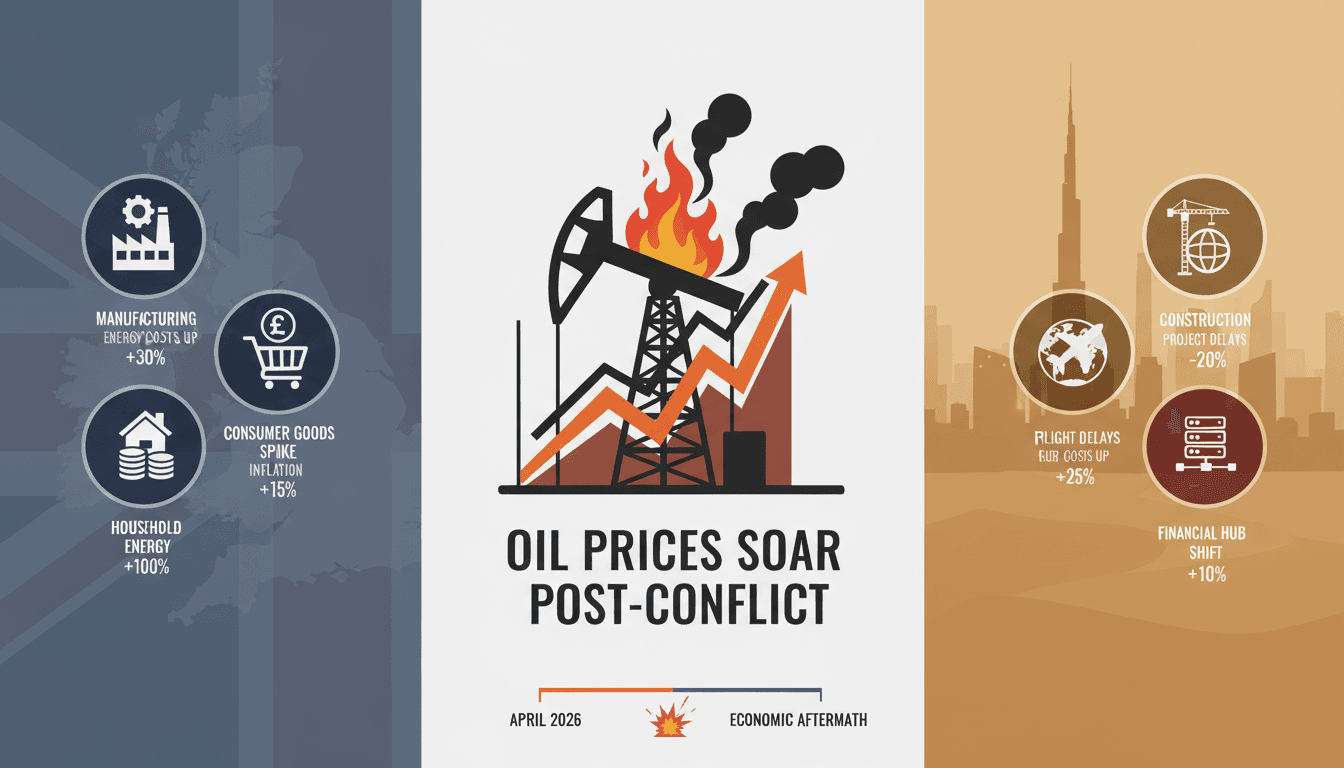
Here's what it means for you.
The ongoing geopolitical tensions are reshaping Britain's foreign policy and could impact global energy markets, affecting your costs and investments.
Why it matters
This conflict marks a pivotal moment for Britain's strategic direction, influencing energy security and defense policies amid a volatile global landscape.
What happened (in 30 seconds)
- On April 9, 2026, Prime Minister Keir Starmer declared the six-week conflict with Iran a critical turning point for Britain's future.
- The U.S. and Israel initiated strikes on Iran on February 28, leading to a blockade of the Strait of Hormuz, which has disrupted global oil supplies.
- Starmer emphasized a non-participation stance in U.S. offensive actions, calling for a renewed focus on national resilience and energy security.
The context you actually need
- The Iran conflict erupted amid escalating tensions over Iran's nuclear program and regional threats, impacting global oil prices significantly.
- Britain's recent history of crises, including Brexit and the COVID-19 pandemic, has left the economy vulnerable, making energy security a pressing concern.
- Public sentiment is against UK involvement in U.S. military actions, with 59% opposing strikes, shaping Starmer's cautious approach.
What's really happening
The 2026 Iran conflict has emerged as a significant geopolitical event, catalyzed by U.S. and Israeli military actions aimed at curbing Iran's nuclear ambitions. The initial strikes on February 28, which included the assassination of Iranian Supreme Leader Ali Khamenei, marked a dramatic escalation in hostilities. As a result, Iran retaliated by closing the Strait of Hormuz, a critical chokepoint for global oil shipments, leading to a surge in Brent crude oil prices, which exceeded $120 per barrel.
In response to these developments, Prime Minister Keir Starmer has positioned himself as a cautious leader, emphasizing Britain's non-participation in offensive military actions. His op-ed in The Guardian on April 9 framed the conflict as a "line in the sand," calling for a strategic renewal that prioritizes energy security and economic resilience. This stance reflects a broader public sentiment, with a significant majority of the British population opposing involvement in U.S. military operations.
Starmer's government has faced domestic challenges, including fiscal constraints and party divisions, as it navigates the fallout from two decades of crises. The ongoing conflict has exacerbated existing vulnerabilities, particularly in energy supply, as the blockade of the Strait of Hormuz has led to the largest supply disruption in history. This situation has prompted the UK to release oil reserves and engage in diplomatic efforts, hosting talks with 35 nations (excluding the U.S.) to address the crisis.
The economic implications are profound. The conflict has not only disrupted oil supplies but has also led to rising fuel inflation in the UK, with GDP forecasts being revised downward. The public's reaction has been mixed; while some support Starmer's cautious approach, critics from the Conservative and Reform UK parties have accused him of "dithering" in the face of a global crisis.
As the situation unfolds, the UK government is keenly aware of the need to bolster its defense capabilities and energy infrastructure. Starmer's call for a "stronger, more secure and more resilient" Britain reflects an understanding that the current geopolitical landscape demands a reevaluation of national priorities.
Who feels it first (and how)
- Energy consumers: Rising fuel prices will directly impact household budgets and transportation costs.
- Businesses in energy sectors: Companies reliant on stable oil prices may face increased operational costs and reduced margins.
- Tourism and hospitality: Regions like Dubai, heavily reliant on tourism, are experiencing significant downturns due to the conflict's impact on travel and spending.
- Migrant workers: Economic pressures may lead to job losses and reduced income, particularly in sectors affected by the conflict.
What to watch next
- Oil price fluctuations: Continued volatility in oil prices will affect global markets and consumer costs, making it essential to monitor Brent crude trends.
- Public opinion shifts: Changes in public sentiment regarding Starmer's foreign policy could influence upcoming elections and domestic political dynamics.
- Diplomatic engagements: Watch for further UK-led diplomatic initiatives aimed at stabilizing the situation in the Middle East and securing energy supplies.
The Strait of Hormuz blockade is causing significant disruptions to global oil supplies.
Economic pressures will continue to mount in the UK, leading to potential policy shifts in energy and defense.
The long-term geopolitical implications of the Iran conflict on UK foreign policy and its global standing.
Frequently Asked Questions
- Why it matters?
- This conflict marks a pivotal moment for Britain's strategic direction, influencing energy security and defense policies amid a volatile global landscape.
- What happened (in 30 seconds)?
- On April 9, 2026, Prime Minister Keir Starmer declared the six-week conflict with Iran a critical turning point for Britain's future. The U.S. and Israel initiated strikes on Iran on February 28, leading to a blockade of the Strait of Hormuz, which has disrupted global oil supplies. Starmer emphasized a non-participation stance in U.S. offensive actions, calling for a renewed focus on national resilience and energy security.
- What's really happening?
- The 2026 Iran conflict has emerged as a significant geopolitical event, catalyzed by U.S. and Israeli military actions aimed at curbing Iran's nuclear ambitions. The initial strikes on February 28, which included the assassination of Iranian Supreme Leader Ali Khamenei, marked a dramatic escalation in hostilities. As a result, Iran retaliated by closing the Strait of Hormuz, a critical chokepoint for global oil shipments, leading to a surge in Brent crude oil prices, which exceeded $120 per barr
- Who feels it first (and how)?
- Energy consumers: Rising fuel prices will directly impact household budgets and transportation costs. Businesses in energy sectors: Companies reliant on stable oil prices may face increased operational costs and reduced margins. Tourism and hospitality: Regions like Dubai, heavily reliant on tourism, are experiencing significant downturns due to the conflict's impact on travel and spending. Migrant workers: Economic pressures may lead to job losses and reduced income, particularly in secto
- What to watch next?
- Oil price fluctuations: Continued volatility in oil prices will affect global markets and consumer costs, making it essential to monitor Brent crude trends. Public opinion shifts: Changes in public sentiment regarding Starmer's foreign policy could influence upcoming elections and domestic political dynamics. Diplomatic engagements: Watch for further UK-led diplomatic initiatives aimed at stabilizing the situation in the Middle East and securing energy supplies.
Regional coverage and analysis focused on politics, diplomacy, and business across the Middle East.
"Al-Monitor is known for analytical reporting on Middle East politics and policy developments."
— A47 Editor
UK's Starmer says Iran conflict shows Britain must take a new path
British Prime Minister Keir Starmer has called for a new strategic direction for the UK in light of the ongoing Iran conflict, emphasizing the need to bolster the economy and military to address a more volatile global landscape. This statement follow...
Business, investment, entrepreneurship, leadership, and innovation.
"Forbes is known for its coverage of business leaders, market trends, and entrepreneurial ventures with a pro-business editorial stance."
— A47 Editor
Keir Starmer Questions Trump’s Values—As Global Leaders Express Distrust Of Iran Ceasefire
Keir Starmer has raised concerns regarding former President Donald Trump's values as global leaders express skepticism about a recently announced ceasefire with Iran. This ceasefire, which aims to de-escalate military tensions, has been met with mixe...