
Oil and stock prices fluctuate amid US-Iran ceasefire negotiations
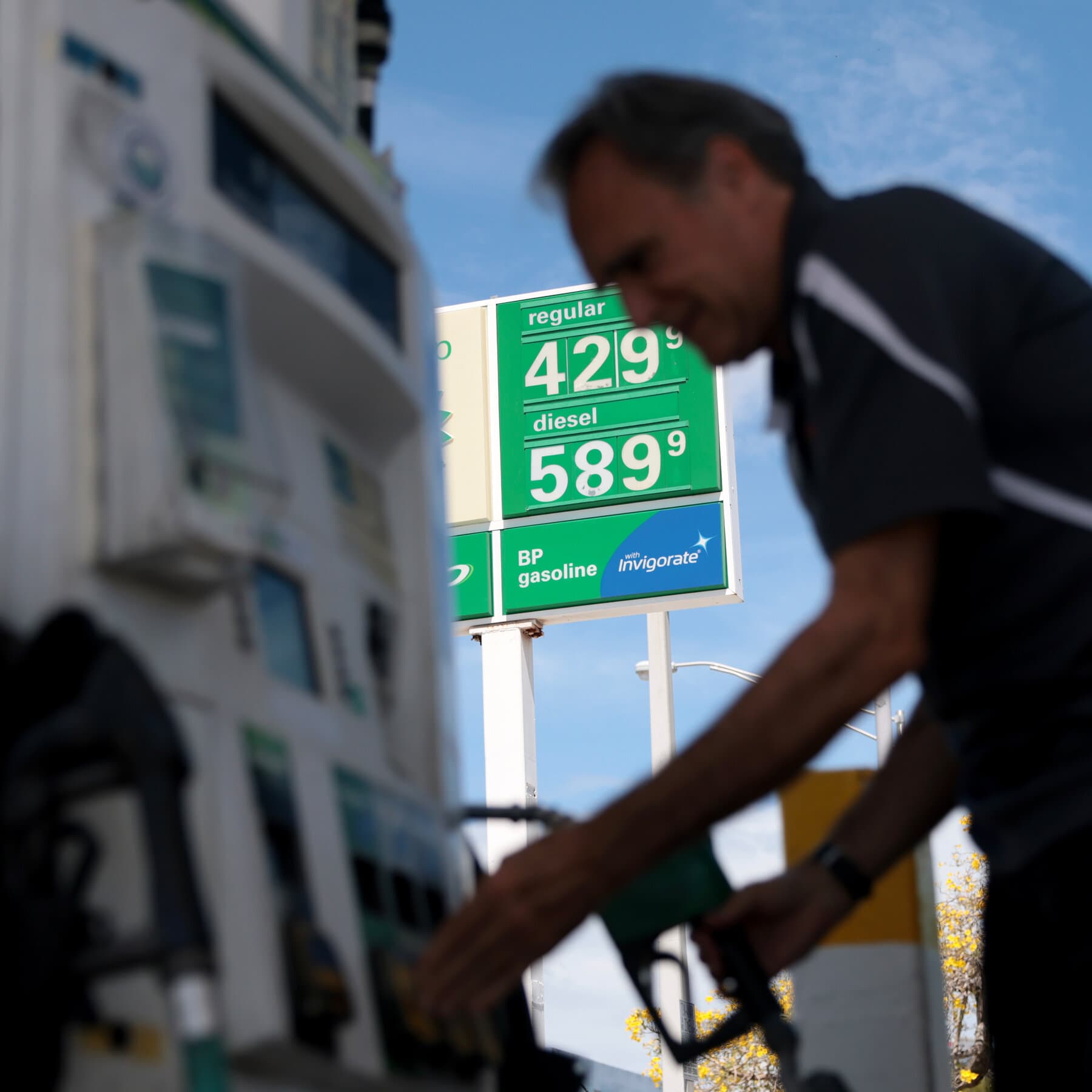
Here's what it means for you.
If you’re invested in global markets or reliant on energy prices, the ongoing volatility could impact your financial strategies and costs.
Why it matters
The fluctuations in oil and stock prices reflect broader geopolitical tensions that can disrupt global supply chains and economic stability.
What happened (in 30 seconds)
- Oil prices dropped significantly after reports of a conditional ceasefire between the US and Iran, with Brent crude falling toward $103 per barrel.
- Stock markets surged as investors reacted positively to the potential for reduced geopolitical risk, with the Dow gaining 1,325 points.
- Volatility returned as skepticism about the ceasefire's durability led to partial reversals in both oil and stock prices.
The context you actually need
- The 2026 Iran war began on February 28, leading to a blockade of the Strait of Hormuz and a significant disruption in global oil supplies.
- Energy prices spiked dramatically, with Brent crude surpassing $120 per barrel, impacting inflation and costs globally.
- The ceasefire announcement was met with mixed reactions, as doubts about its implementation raised concerns about future price stability.
What's really happening
The recent fluctuations in oil and stock prices are rooted in the complex interplay of geopolitical tensions and market reactions. The 2026 Iran war, initiated by US-Israeli airstrikes, has severely disrupted oil flows through the Strait of Hormuz, a critical chokepoint for global energy supplies. This disruption has caused a spike in energy prices, with Brent crude reaching over $120 per barrel at its peak, creating significant inflationary pressures worldwide.
On April 7, as President Trump approached a deadline for Iran to accept a ceasefire, initial reports suggested a breakthrough in negotiations. This led to a sharp decline in oil prices as traders reacted to the possibility of reduced conflict and restored oil flows. However, the announcement of a conditional two-week ceasefire, contingent on Iran reopening the Strait of Hormuz, created a complex scenario. While oil prices initially plummeted by 15% following the announcement, skepticism about the ceasefire's durability quickly returned, leading to renewed volatility in both oil and stock markets.
Investors are caught in a tug-of-war between optimism about potential peace and the reality of ongoing geopolitical risks. The stock market's surge, with the Dow gaining 2.8%, reflects a short-term bullish sentiment driven by hopes of stability. However, the underlying uncertainty means that these gains may not hold if the ceasefire fails to materialize or if tensions escalate again.
For Dubai and the broader Gulf region, the stakes are particularly high. The local oil benchmark soared near $170 per barrel amid export halts, leading to heightened fuel costs and significant increases in food prices—ranging from 40% to 120%—due to disrupted imports. The aviation sector also faced challenges, with tourism suffering from stranded passengers and operational disruptions. Additionally, strikes affecting desalination plants raised concerns about water supply, further complicating the economic landscape.
As the situation evolves, the interconnectedness of global markets means that any significant developments in US-Iran relations will have far-reaching implications, influencing everything from energy prices to stock market stability.
Who feels it first (and how)
- Investors in energy stocks: They may experience immediate gains or losses based on oil price fluctuations.
- Consumers in Dubai: Higher fuel and food prices directly impact living costs and purchasing power.
- Aviation and tourism sectors: Disruptions can lead to cancellations and reduced travel, affecting revenues.
- Global supply chain managers: They must navigate increased costs and potential delays in shipments.
What to watch next
- Ceasefire implementation: Monitoring the effectiveness of the ceasefire will be crucial; failure could lead to renewed price spikes.
- Oil production levels: Watch for changes in production from Gulf states as they respond to market conditions and geopolitical developments.
- Inflation trends: Keep an eye on how energy prices affect overall inflation rates, influencing consumer behavior and economic policy.
Oil prices are highly sensitive to geopolitical developments, particularly in the Middle East.
Continued volatility in both oil and stock markets as investors react to news from the US-Iran negotiations.
The long-term sustainability of the ceasefire and its impact on global energy prices.
Frequently Asked Questions
- Why it matters?
- The fluctuations in oil and stock prices reflect broader geopolitical tensions that can disrupt global supply chains and economic stability.
- What happened (in 30 seconds)?
- Oil prices dropped significantly after reports of a conditional ceasefire between the US and Iran, with Brent crude falling toward $103 per barrel. Stock markets surged as investors reacted positively to the potential for reduced geopolitical risk, with the Dow gaining 1,325 points. Volatility returned as skepticism about the ceasefire's durability led to partial reversals in both oil and stock prices.
- What's really happening?
- The recent fluctuations in oil and stock prices are rooted in the complex interplay of geopolitical tensions and market reactions. The 2026 Iran war, initiated by US-Israeli airstrikes, has severely disrupted oil flows through the Strait of Hormuz, a critical chokepoint for global energy supplies. This disruption has caused a spike in energy prices, with Brent crude reaching over $120 per barrel at its peak, creating significant inflationary pressures worldwide. On April 7, as President Trump a
- Who feels it first (and how)?
- Investors in energy stocks: They may experience immediate gains or losses based on oil price fluctuations. Consumers in Dubai: Higher fuel and food prices directly impact living costs and purchasing power. Aviation and tourism sectors: Disruptions can lead to cancellations and reduced travel, affecting revenues. Global supply chain managers: They must navigate increased costs and potential delays in shipments.
- What to watch next?
- Ceasefire implementation: Monitoring the effectiveness of the ceasefire will be crucial; failure could lead to renewed price spikes. Oil production levels: Watch for changes in production from Gulf states as they respond to market conditions and geopolitical developments. Inflation trends: Keep an eye on how energy prices affect overall inflation rates, influencing consumer behavior and economic policy.
Comprehensive coverage of global events, politics, and international issues.
"NBC News is a mainstream outlet known for comprehensive national and international coverage with a centrist to slightly left-leaning editorial tone."
— A47 Editor
Oil prices hover around $100 as concerns about ceasefire persist
Oil prices have rebounded to around $100 per barrel amid growing concerns regarding the stability of a ceasefire between the United States and Iran, announced by President Donald Trump just two days prior. This uncertainty has led to fluctuations in ...
National headlines across the United States including breaking stories and societal issues.
"NBC News is a mainstream media outlet known for comprehensive national and international news coverage with a centrist to slightly left-leaning editorial tone."
— A47 Editor
Oil prices rise above $100 again as doubts set in about the U.S.-Iran ceasefire
Oil prices surged above $100 per barrel as skepticism grew regarding the U.S.-Iran ceasefire announced by President Donald Trump just two days prior. This rebound follows a significant drop in oil prices earlier in the week, where Brent crude fell to...
Major U.S. developments and regional news.
"ABC News delivers broad national coverage with a mainstream editorial stance, focusing on accessibility and balanced reporting."
— A47 Editor
Oil prices jump back up near $100 a barrel on skepticism over fragile US-Iran ceasefire
Oil prices have surged back toward $100 a barrel amid skepticism regarding a fragile ceasefire agreement between the U.S. and Iran. This increase follows a significant drop in oil prices earlier in the week, which saw Brent crude fall to approximatel...
Regional coverage and analysis focused on politics, diplomacy, and business across the Middle East.
"Al-Monitor is known for analytical reporting on Middle East politics and policy developments."
— A47 Editor
Crude rises, stocks fall on fears over nascent Iran ceasefire
Oil prices have risen while global stock markets have declined due to concerns surrounding a fragile ceasefire between the United States and Iran, which is threatened by renewed hostilities following Israeli airstrikes on Lebanon. The ceasefire, anno...
International news, politics, and culture.
"Sky News is a UK-based 24-hour channel known for fast-breaking news and political coverage."
— A47 Editor
Oil prices fall sharply after Trump announces two-week Iran war ceasefire
Oil prices have sharply declined following President Donald Trump's announcement of a two-week ceasefire between the United States and Iran, which is contingent upon Iran's agreement to reopen the strategically vital Strait of Hormuz. This announceme...
UK and global business, economy, and markets coverage.
"Sky News is often seen as a center-right outlet in the UK, known for rolling news and breaking business stories."
— A47 Editor
Oil prices fall sharply after Trump announces two-week Iran war ceasefire
Oil prices have sharply declined following President Donald Trump's announcement of a two-week ceasefire between the United States and Iran, which is contingent upon Iran's agreement to reopen the strategically vital Strait of Hormuz. This announceme...
Markets, economy, and company analysis from NYT’s business desk.
"The New York Times is a globally recognized newspaper offering authoritative reporting with a center-left editorial stance."
— A47 Editor
Oil and Stock Prices Reverse Some Moves as a Peace Deal Remains Uncertain
Oil prices surged following President Trump's rejection of a cease-fire proposal with Iran, which he deemed insufficient, as the deadline for negotiations approaches. The national average for gas prices in the U.S. rose to $4.14 a gallon amid these e...