
Ukraine Deploys Drone Experts to Secure Strait of Hormuz Amid Iranian Blockade
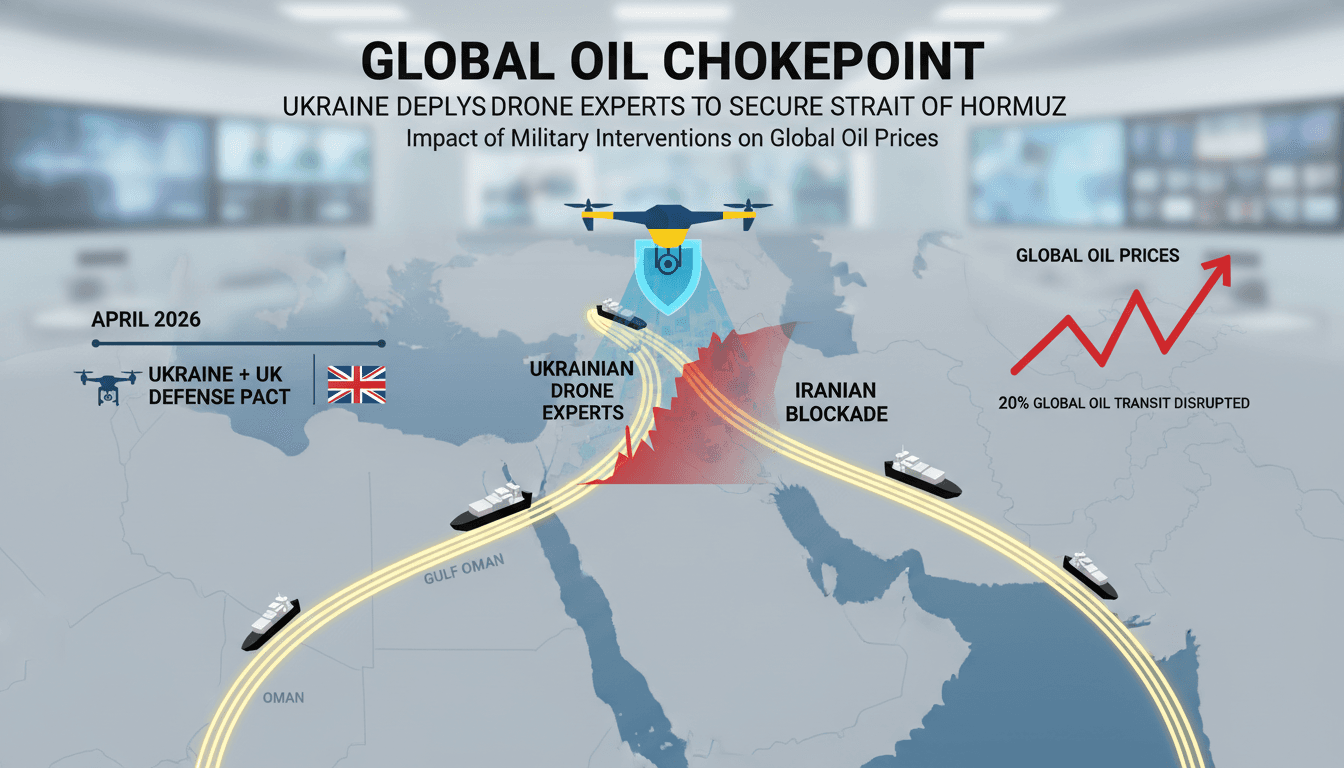
Here's what it means for you.
If you rely on global oil markets, the ongoing tensions in the Strait of Hormuz could directly impact your energy costs.
Why it matters
The Strait of Hormuz is a critical chokepoint for global oil shipments, and disruptions here can lead to significant fluctuations in oil prices.
What happened (in 30 seconds)
- April 11, 2026: British Minister of Armed Forces James Heappey endorses Ukraine's role in securing the Strait of Hormuz using drone technology.
- February 28, 2026: Iran imposes a blockade on the strait, disrupting 20% of global oil transit following military strikes from the U.S. and Israel.
- Ongoing: Ukraine deploys over 200 anti-drone specialists to the Middle East to counter Iranian drone threats and participates in multinational consultations.
The context you actually need
- Strategic Importance: The Strait of Hormuz is only 21 miles wide but facilitates 20% of the world's oil shipments, making it a vital artery for global energy supply.
- Iran's Blockade: Following military actions against Iran, the country has utilized drone swarms to enforce a blockade, escalating regional tensions and threatening oil flows.
- Ukraine's Expertise: With extensive experience countering Iranian-designed Shahed drones during its conflict with Russia, Ukraine has positioned itself as a valuable partner in regional defense efforts.
What's really happening
The situation in the Strait of Hormuz represents a complex interplay of geopolitical maneuvering, energy security, and technological warfare. Following the blockade imposed by Iran on February 28, 2026, the global oil market faced immediate disruptions, with prices hovering around $100 per barrel. The blockade was a response to U.S. and Israeli military strikes, which heightened tensions in an already volatile region.
In this context, Ukraine has emerged as a key player, leveraging its advanced drone technology and counter-drone capabilities developed during its ongoing conflict with Russia. The Ukrainian military has successfully countered Iranian-designed Shahed drones, making its expertise highly sought after in the Gulf region. As a result, over 200 Ukrainian anti-drone specialists have been deployed to various Gulf states, including the UAE and Saudi Arabia, to bolster local defenses against Iranian threats.
The UK has taken a leading role in organizing multinational consultations involving more than 30 countries, aiming to reopen the Strait of Hormuz and restore stability to global oil flows. This coalition includes significant players like the United States, Saudi Arabia, and Qatar, all of whom are keenly aware of the economic implications of sustained disruptions.
The deployment of Ukrainian experts not only enhances regional air defenses but also facilitates technology transfers that could strengthen the military capabilities of Gulf states. In exchange for their expertise, Ukraine has secured long-term defense agreements with these nations, ensuring a flow of air defense missiles back to Ukraine. This mutual benefit underscores a strategic partnership that could reshape military dynamics in the region.
As the situation unfolds, the implications for global oil prices and energy security remain significant. The ongoing consultations and military collaborations indicate a concerted effort to counter Iranian influence and restore safe passage through this crucial maritime route.
Who feels it first (and how)
- Energy Consumers: Individuals and businesses relying on oil will face higher costs due to potential price spikes.
- Shipping and Logistics Companies: Companies involved in global trade may experience increased shipping costs and delays.
- Regional Governments: Gulf states will need to balance military spending with economic stability amid rising oil prices.
What to watch next
- Oil Prices: Monitor fluctuations in oil prices, as sustained tensions could lead to further increases, impacting global markets.
- Military Developments: Keep an eye on the outcomes of multinational consultations and any new military agreements that may emerge from these discussions.
- Iran's Response: Watch for Iran's strategic moves in response to the increased military presence and capabilities of its adversaries in the region.
The Strait of Hormuz is a critical chokepoint for global oil shipments.
Ongoing military collaborations will enhance regional air defenses against drone threats.
The long-term effectiveness of these measures in stabilizing oil prices and ensuring safe passage through the strait.
Frequently Asked Questions
- Why it matters?
- The Strait of Hormuz is a critical chokepoint for global oil shipments, and disruptions here can lead to significant fluctuations in oil prices.
- What happened (in 30 seconds)?
- April 11, 2026: British Minister of Armed Forces James Heappey endorses Ukraine's role in securing the Strait of Hormuz using drone technology. February 28, 2026: Iran imposes a blockade on the strait, disrupting 20% of global oil transit following military strikes from the U.S. and Israel. Ongoing: Ukraine deploys over 200 anti-drone specialists to the Middle East to counter Iranian drone threats and participates in multinational consultations.
- What's really happening?
- The situation in the Strait of Hormuz represents a complex interplay of geopolitical maneuvering, energy security, and technological warfare. Following the blockade imposed by Iran on February 28, 2026, the global oil market faced immediate disruptions, with prices hovering around $100 per barrel. The blockade was a response to U.S. and Israeli military strikes, which heightened tensions in an already volatile region. In this context, Ukraine has emerged as a key player, leveraging its advance
- Who feels it first (and how)?
- Energy Consumers: Individuals and businesses relying on oil will face higher costs due to potential price spikes. Shipping and Logistics Companies: Companies involved in global trade may experience increased shipping costs and delays. Regional Governments: Gulf states will need to balance military spending with economic stability amid rising oil prices.
- What to watch next?
- Oil Prices: Monitor fluctuations in oil prices, as sustained tensions could lead to further increases, impacting global markets. Military Developments: Keep an eye on the outcomes of multinational consultations and any new military agreements that may emerge from these discussions. Iran's Response: Watch for Iran's strategic moves in response to the increased military presence and capabilities of its adversaries in the region.
Arabic-language coverage of political affairs and current events.
"Okaz political coverage typically follows mainstream Saudi framing on national and regional affairs."
— A47 Editor
بتكنولوجيا الطائرات المسيّرة.. أوكرانيا تدخل على خط تأمين مضيق هرمز
A senior British official stated that Ukraine could play a significant role in international efforts to secure the Strait of Hormuz, highlighting its advanced drone technology as among the best globally. This comes as the UK leads consultations invol...
Regional coverage and analysis focused on politics, diplomacy, and business across the Middle East.
"Al-Monitor is known for analytical reporting on Middle East politics and policy developments."
— A47 Editor
Ukraine can play useful role in Strait of Hormuz, Britain says
Britain's armed services minister has stated that Ukraine can play a significant role in international efforts to secure the Strait of Hormuz, highlighting its advanced drone technology. This statement comes amid ongoing discussions among over 30 nat...
Regional and international reporting focused on Middle Eastern politics, diplomacy, and economics.
"Asharq Al-Awsat is a Saudi-owned international newspaper reflecting mainstream Gulf political perspectives."
— A47 Editor
Ukraine Can Play Useful Role in Strait of Hormuz, Britain Says
Britain's armed services minister has stated that Ukraine can play a significant role in securing the Strait of Hormuz, leveraging its advanced drone technology amid ongoing international discussions involving over 30 nations.