
U.S. Consumer Price Index Rises to 3.3% Amid Iran War Energy Crisis
Here's what it means for you.
Rising inflation rates could impact your purchasing power and investment strategies.
Why it matters
This inflation spike signals potential long-term economic instability, affecting consumer behavior and market dynamics.
What happened (in 30 seconds)
- U.S. CPI surged 0.9% month-over-month in March 2026, reaching a year-over-year rate of 3.3%, driven by energy price shocks from the Iran War.
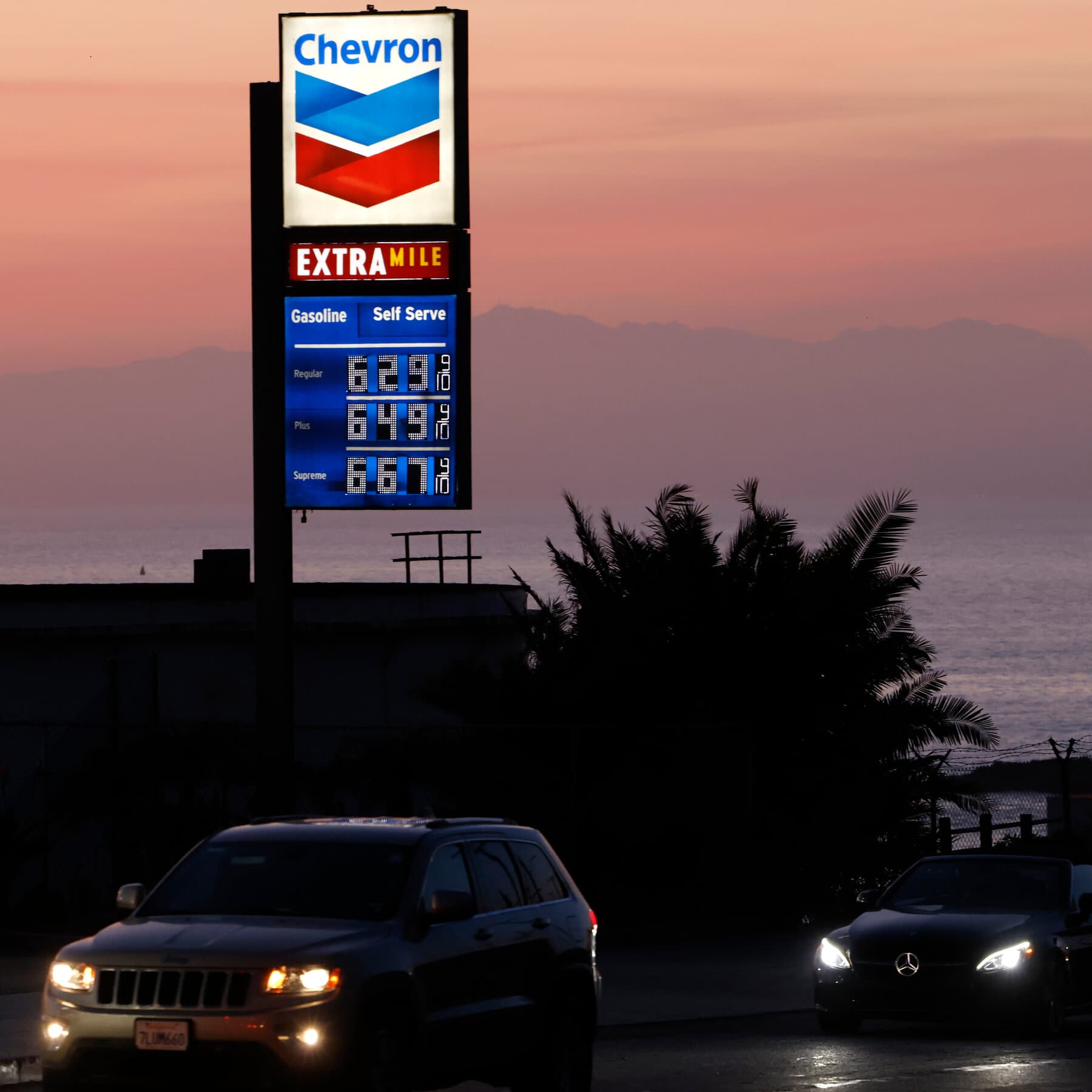
- Gasoline prices rose 21.2%, contributing to nearly three-quarters of the total CPI increase, marking the largest monthly jump since 1967.
- Federal Reserve officials expect inflation pressures to delay rate cuts, maintaining a cautious stance amid ongoing geopolitical tensions.
The context you actually need
- The Iran War began on February 28, 2026, following U.S. and Israeli airstrikes on Iranian targets, leading to significant oil supply disruptions.
- Iran's closure of the Strait of Hormuz affected 20% of global oil trade, causing Brent crude prices to soar over 50% to $110 per barrel.
- Despite a temporary ceasefire on April 7, 2026, inflationary pressures persist, with core CPI rising only modestly at 0.2% month-over-month.
What's really happening
The recent spike in the U.S. Consumer Price Index (CPI) is a direct consequence of geopolitical tensions stemming from the 2026 Iran War. The conflict initiated on February 28, 2026, when U.S. and Israeli forces launched Operation Epic Fury, targeting Iranian nuclear facilities and military sites. The assassination of key Iranian leaders, including Supreme Leader Ali Khamenei, escalated the situation dramatically. In retaliation, Iran closed the Strait of Hormuz, a critical chokepoint for global oil trade, disrupting approximately 20% of the world's oil supply.
As a result of these disruptions, Brent crude oil prices surged over 50%, reaching $110 per barrel. This increase in oil prices directly impacted gasoline prices in the U.S., which saw a staggering 21.2% month-over-month rise. Such a significant jump in gasoline prices accounted for nearly three-quarters of the overall CPI increase, marking the largest monthly increase in gasoline prices since 1967. The Bureau of Labor Statistics reported a 0.9% increase in the CPI for March 2026, the highest monthly rise since June 2022.
The Federal Reserve's response to this inflationary pressure has been cautious. Officials have indicated that the ongoing war and its effects on energy prices may delay any potential interest rate cuts. While there was a brief dip in oil prices following the announcement of a two-week ceasefire on April 7, 2026, the overall market remains volatile, with gasoline prices still elevated at approximately $4.15 per gallon—40% higher than pre-war levels.
The economic implications extend beyond the U.S. borders. In Dubai, residents experienced over 30% increases in gasoline prices, reflecting the global ripple effects of the Iran War. The disruptions have also led to increased import costs for food and goods, further straining the cost of living in the region. As the situation evolves, the interconnectedness of global markets means that consumers and businesses alike will continue to feel the impact of these geopolitical tensions.
Who feels it first (and how)
- Consumers: Higher gasoline and energy prices directly affect household budgets, leading to increased costs for commuting and goods.
- Businesses: Companies reliant on oil and gas will face rising operational costs, potentially leading to higher prices for consumers.
- Investors: Inflationary pressures may prompt shifts in investment strategies, particularly in energy and commodities sectors.
- Geopolitical analysts: Increased volatility in oil markets will require closer monitoring of international relations and economic policies.
What to watch next
- Federal Reserve announcements: Watch for updates on interest rate policies, as inflationary pressures may influence future decisions.
- Oil price fluctuations: Keep an eye on Brent crude prices, as ongoing geopolitical tensions could lead to further volatility.
- Consumer spending trends: Monitor shifts in consumer behavior as rising prices may affect discretionary spending and overall economic growth.
The CPI has surged due to energy price shocks from the Iran War.
Inflation will persist in the short term, affecting consumer behavior and economic forecasts.
The long-term economic impact of the Iran War on global markets remains uncertain.
Frequently Asked Questions
- Why it matters?
- This inflation spike signals potential long-term economic instability, affecting consumer behavior and market dynamics.
- What happened (in 30 seconds)?
- U.S. CPI surged 0.9% month-over-month in March 2026, reaching a year-over-year rate of 3.3%, driven by energy price shocks from the Iran War. Gasoline prices rose 21.2%, contributing to nearly three-quarters of the total CPI increase, marking the largest monthly jump since 1967. Federal Reserve officials expect inflation pressures to delay rate cuts, maintaining a cautious stance amid ongoing geopolitical tensions.
- What's really happening?
- The recent spike in the U.S. Consumer Price Index (CPI) is a direct consequence of geopolitical tensions stemming from the 2026 Iran War. The conflict initiated on February 28, 2026, when U.S. and Israeli forces launched Operation Epic Fury, targeting Iranian nuclear facilities and military sites. The assassination of key Iranian leaders, including Supreme Leader Ali Khamenei, escalated the situation dramatically. In retaliation, Iran closed the Strait of Hormuz, a critical chokepoint for global
- Who feels it first (and how)?
- Consumers: Higher gasoline and energy prices directly affect household budgets, leading to increased costs for commuting and goods. Businesses: Companies reliant on oil and gas will face rising operational costs, potentially leading to higher prices for consumers. Investors: Inflationary pressures may prompt shifts in investment strategies, particularly in energy and commodities sectors. Geopolitical analysts: Increased volatility in oil markets will require closer monitoring of internatio
- What to watch next?
- Federal Reserve announcements: Watch for updates on interest rate policies, as inflationary pressures may influence future decisions. Oil price fluctuations: Keep an eye on Brent crude prices, as ongoing geopolitical tensions could lead to further volatility. Consumer spending trends: Monitor shifts in consumer behavior as rising prices may affect discretionary spending and overall economic growth.
Editor-curated FT homepage stories spanning markets, business, world, and opinion.
"The Financial Times is a globally respected business publication with a centrist/center-left tone and strong markets focus."
— A47 Editor
US inflation jumps to two-year high as Iran war ripples across economy
U.S. inflation has surged to a two-year high, reaching 3.3% in March 2026, largely driven by skyrocketing energy prices amid the ongoing conflict in Iran. This inflationary spike has coincided with a significant drop in consumer sentiment, which has ...
Corporate news, economic trends, and markets with UK and global scope.
"BBC News is widely regarded as reputable and impartial, with a public service mandate."
— A47 Editor
Soaring pump prices drive US inflation to highest level in almost two years
A surge in pump prices, driven by the ongoing conflict in Iran, has propelled U.S. inflation to 3.3%, marking the highest rate in nearly two years. This increase reflects significant economic pressures as energy costs rise sharply due to geopolitical...
Markets, economy, and company analysis from NYT’s business desk.
"The New York Times is a globally recognized newspaper offering authoritative reporting with a center-left editorial stance."
— A47 Editor
U.S. Inflation Surged in March as Iran War Pushed Up Prices
U.S. inflation surged in March 2026, driven by soaring energy costs linked to the ongoing conflict in Iran, marking the largest monthly increase in the Consumer Price Index since June 2022.
Capitol Hill news, legislation, and policy insight.
"The Hill specializes in U.S. politics and policy, with a focus on Capitol Hill developments and a reputation for insider reporting."
— A47 Editor
Inflation rate rises to 3.3 percent in March amid hiked energy costs from Iran war
The U.S. inflation rate has risen to 3.3 percent in March, marking the highest increase in nearly four years, driven primarily by escalating energy costs linked to the ongoing military operations in Iran. Consumer prices increased by 0.9 percent in M...