
US Dollar Index Rebounds Amid Uncertainty Over US-Iran Ceasefire
Here's what it means for you.
Your investments could be impacted by the volatility in currency markets, particularly if you deal in USD or trade with regions affected by oil prices.
Why it matters
The US Dollar Index's fluctuations reflect broader geopolitical tensions that can influence global economic stability and investor confidence.
What happened (in 30 seconds)
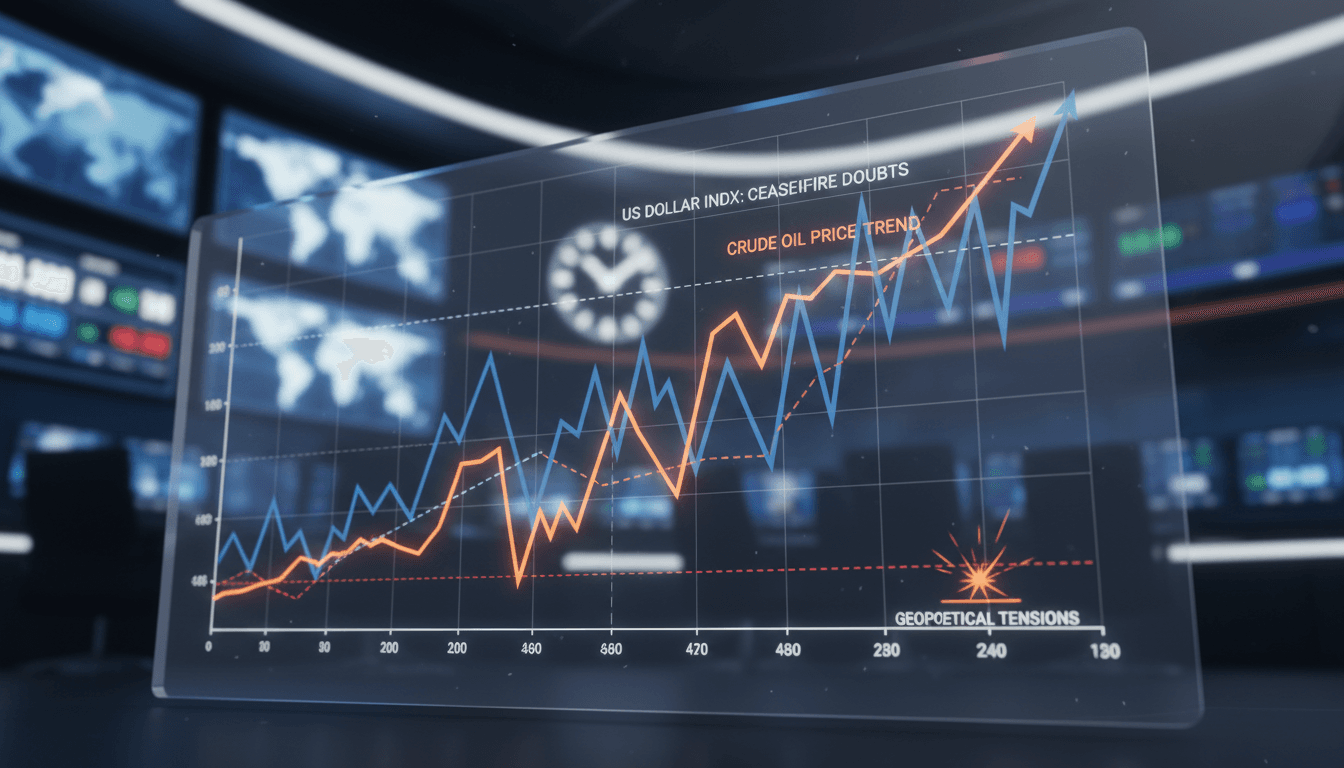
- The US Dollar Index (DXY) fluctuated after significant losses, rebounding from an intraday low of 98.50 to around 99.00.
- Investor caution emerged following a fragile two-week ceasefire between the US and Iran, raising concerns about potential violations.
- Global markets reacted with equity rallies and oil price drops, indicating shifting risk appetites among investors.
The context you actually need
- Escalating tensions between the US and Iran earlier in 2026 led to military strikes and heightened oil prices, pushing the dollar as a safe-haven asset.
- The ceasefire agreement on April 7-8 initially weakened the dollar, as investor demand for safe-haven assets diminished.
- Market reactions included a 1% drop in the DXY, reaching four-week lows, as skepticism about the ceasefire's durability surfaced.
What's really happening
The recent fluctuations in the US Dollar Index (DXY) are intricately tied to the geopolitical landscape surrounding the US-Iran ceasefire. Following weeks of escalating tensions, characterized by military strikes and missile exchanges, the dollar had surged as investors sought refuge in safe-haven assets. This was particularly pronounced as oil prices spiked due to fears of supply disruptions in the Strait of Hormuz, a critical chokepoint for global oil transport.
However, the announcement of a ceasefire agreement on April 7-8, 2026, mediated through regional channels, marked a turning point. Initially, this development led to a significant decline in the DXY, which dropped over 1% and erased gains made earlier in the year. The index fell to an intraday low of 98.50, reflecting peak investor caution regarding the ceasefire's viability. This decline was fueled by skepticism about Iran's commitment to the truce and ongoing tensions in the region.
As the market digested these developments, the DXY rebounded to approximately 99.00 on April 9, driven by renewed concerns over potential violations of the ceasefire and complications in the Strait of Hormuz. This volatility illustrates the delicate balance between geopolitical events and market reactions. While the ceasefire initially alleviated some immediate fears, the underlying tensions remained, prompting investors to reassess their positions.
In parallel, global equity markets responded positively, with a notable rally as risk-on sentiment took hold. Oil prices, however, tumbled by over 12%, alleviating some supply fears but raising concerns for energy sectors reliant on stable prices. The fluctuations in the DXY also had ripple effects on other currencies, with the euro and yen appreciating against the dollar, further indicating shifting market dynamics.
The situation remains fluid, with analysts projecting a potential resurgence of the dollar if the ceasefire fails. The interplay between geopolitical developments and market sentiment underscores the complexities of currency valuation in a globalized economy. Investors must remain vigilant, as the implications of these fluctuations extend beyond immediate market reactions, influencing trade, investment strategies, and economic stability.
Who feels it first (and how)
- Investors: Currency traders and those holding USD-denominated assets may experience immediate impacts on their portfolios.
- Businesses: Companies reliant on imports or exports affected by currency fluctuations could see changes in profit margins.
- Consumers: Individuals in regions tied to oil prices may face shifts in living costs due to changes in inflation rates.
What to watch next
- Ceasefire compliance: Monitoring adherence to the ceasefire terms will be critical; any violations could lead to renewed volatility in the DXY.
- Oil price trends: Continued fluctuations in oil prices will impact inflation and economic stability, influencing currency valuations.
- Global equity market reactions: Observing how equity markets respond to ongoing geopolitical developments will provide insight into investor sentiment and risk appetite.
The DXY experienced significant fluctuations due to geopolitical tensions.
Continued volatility in currency markets if ceasefire compliance remains uncertain.
The long-term implications of the ceasefire on US-Iran relations and global economic stability.
Frequently Asked Questions
- Why it matters?
- The US Dollar Index's fluctuations reflect broader geopolitical tensions that can influence global economic stability and investor confidence.
- What happened (in 30 seconds)?
- The US Dollar Index (DXY) fluctuated after significant losses, rebounding from an intraday low of 98.50 to around 99.00. Investor caution emerged following a fragile two-week ceasefire between the US and Iran, raising concerns about potential violations. Global markets reacted with equity rallies and oil price drops, indicating shifting risk appetites among investors.
- What's really happening?
- The recent fluctuations in the US Dollar Index (DXY) are intricately tied to the geopolitical landscape surrounding the US-Iran ceasefire. Following weeks of escalating tensions, characterized by military strikes and missile exchanges, the dollar had surged as investors sought refuge in safe-haven assets. This was particularly pronounced as oil prices spiked due to fears of supply disruptions in the Strait of Hormuz, a critical chokepoint for global oil transport. However, the announcement of a
- Who feels it first (and how)?
- Investors: Currency traders and those holding USD-denominated assets may experience immediate impacts on their portfolios. Businesses: Companies reliant on imports or exports affected by currency fluctuations could see changes in profit margins. Consumers: Individuals in regions tied to oil prices may face shifts in living costs due to changes in inflation rates.
- What to watch next?
- Ceasefire compliance: Monitoring adherence to the ceasefire terms will be critical; any violations could lead to renewed volatility in the DXY. Oil price trends: Continued fluctuations in oil prices will impact inflation and economic stability, influencing currency valuations. Global equity market reactions: Observing how equity markets respond to ongoing geopolitical developments will provide insight into investor sentiment and risk appetite.
Currency market headlines, FX rates, central-bank chatter, and macro drivers moving major pairs.
"Investing.com’s forex stream is useful for fast updates across USD, EUR, JPY, GBP and emerging-market FX."
— A47 Editor
Dollar struggles to rebound as fragile US-Iran ceasefire keeps markets wary
The U.S. dollar is struggling to rebound as a fragile ceasefire between the United States and Iran keeps markets on edge. Recent peace talks have failed, leading to heightened geopolitical tensions and uncertainty in financial markets. Investors are ...
Arabic-language digital news outlet covering UAE, regional, and international developments with broad general-news coverage.
"Al Ain News coverage typically blends UAE-focused reporting with wider Arab regional and international news."
— A47 Editor
الدولار يتذبذب بعد خسائر كبيرة وسط حذر الأسواق حيال مصير الهدنة
The dollar's performance has been fluctuating on Thursday after experiencing significant losses, as investors remain cautious while assessing the durability of the fragile two-week ceasefire between the United States and Iran.