
Cuban President Díaz-Canel Vows to Defend Against U.S. Invasion in NBC Interview
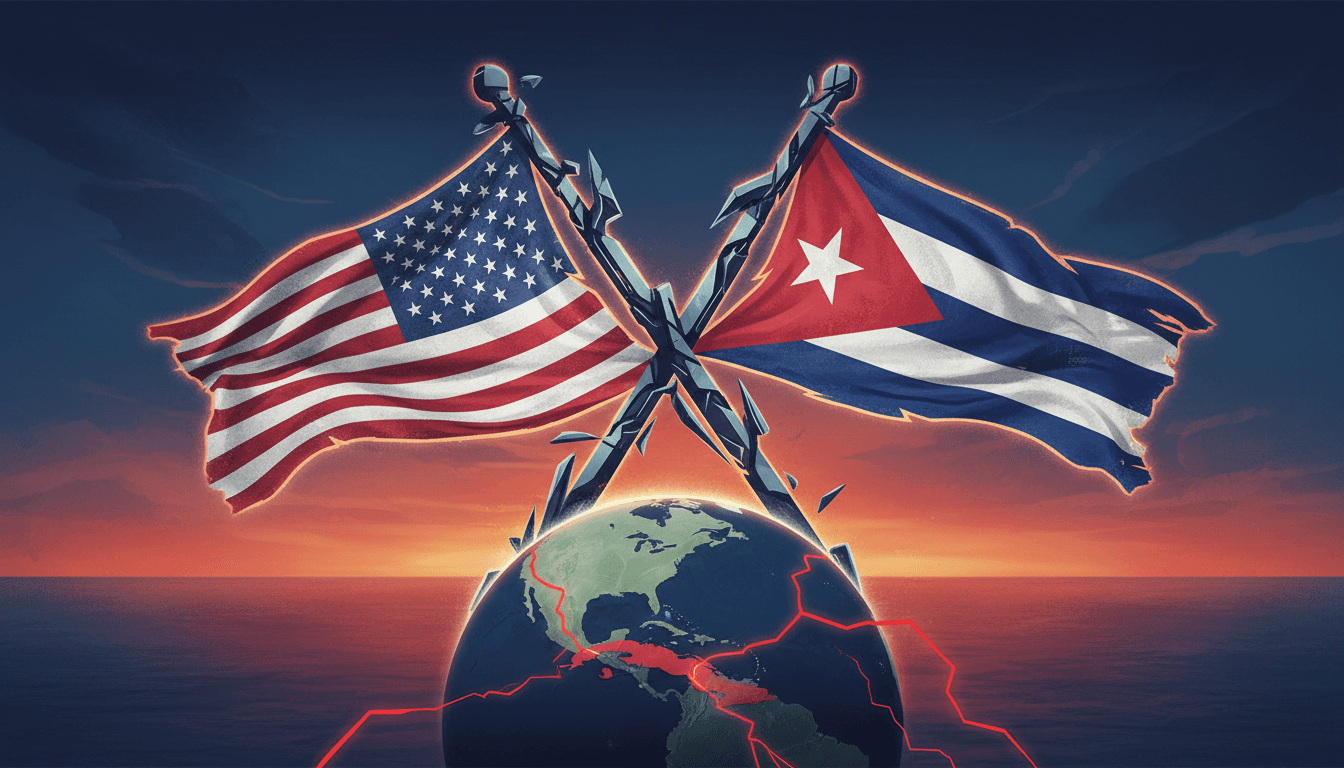
Here's what it means for you.
As global professionals navigate geopolitical shifts, understanding the implications of U.S.-Cuba relations could influence investment strategies and regional partnerships.
The Vibe
Cuban President Miguel Díaz-Canel's recent declaration of readiness to defend against U.S. aggression signals a resurgence of nationalistic fervor amid escalating tensions.
What it signals
This moment reflects a broader struggle for sovereignty and identity in the face of external pressures. As Cuba grapples with its energy crisis and economic challenges, the rhetoric of resistance highlights a cultural pivot towards self-determination, which could resonate with other nations facing similar pressures.
Why it's happening now
1. The U.S. military actions in Venezuela have exacerbated Cuba's energy crisis, complicating its already strained economic situation. 2. President Trump's provocative remarks about a "friendly takeover" have intensified fears of U.S. intervention, prompting Cuba to bolster its military readiness. 3. The longstanding U.S. embargo, now over 64 years old, has created a backdrop of economic hardship that fuels both defensive posturing and calls for dialogue.
Who it's for (and who it leaves out)
This narrative primarily benefits Cuban nationalists and government officials who seek to unify the population against perceived external threats. However, it leaves out everyday citizens who continue to suffer from the economic fallout and energy shortages.
What to watch next
1. Monitor the outcome of ongoing U.S.-Cuba diplomatic talks, as any agreements could reshape economic relations in the region. 2. Observe how Cuba's military readiness impacts its domestic policies and social stability, particularly in light of ongoing energy shortages.
Visual Directive: A striking graphic illustrating the tension between U.S. and Cuban flags, symbolizing the clash of sovereignty and intervention.
Tensions between the U.S. and Cuba are escalating amid military and economic pressures.
Diplomatic talks will continue, but outcomes remain uncertain.
The long-term effects on Cuba's economy and social fabric are still to be determined.
National headlines across the United States including breaking stories and societal issues.
"NBC News is a mainstream media outlet known for comprehensive national and international news coverage with a centrist to slightly left-leaning editorial tone."
— A47 Editor
Cuban president: 'We would die' to defend against U.S. invasion
In a recent interview with Meet the Press, Cuban President Miguel Díaz-Canel asserted that Cuba would vigorously defend itself against any potential U.S. military invasion, emphasizing that the leadership is ready to sacrifice their lives for the rev...
International coverage of politics, security, and social issues.
"Global News is a mainstream Canadian outlet with a centrist editorial stance, focusing on factual reporting."
— A47 Editor
Cuba president says he’s ‘not stepping down’ in defiant NBC interview
In a recent NBC News interview, Cuban President Miguel Díaz-Canel declared that he will not resign from his position despite pressure from the United States, asserting the sovereignty of Cuba and the resolve of its leadership.
Reporting on North, Central, and South America, plus the Caribbean.
"The Guardian is known for its progressive editorial stance and in-depth analysis."
— A47 Editor
Cuban president tells NBC he won’t resign under US pressure, as Russia backs old ally
Cuban President Miguel Diaz-Canel stated in an NBC News interview that he will not resign under pressure from the United States, asserting the nation's sovereignty and independence. He emphasized that revolutionaries do not give up, reflecting a firm...