
Oil Traders Warn of Severe Demand Destruction Due to Ongoing Iran War
Here's what it means for you.
If you rely on oil for your business or daily life, prepare for rising costs and potential supply shortages.
Why it matters
The ongoing conflict in Iran is poised to disrupt global oil supply chains, impacting prices and economic stability worldwide.
What happened (in 30 seconds)
- On April 21, 2026, oil traders at the Financial Times Commodities Global Summit warned that demand destruction from the Iran war is accelerating.
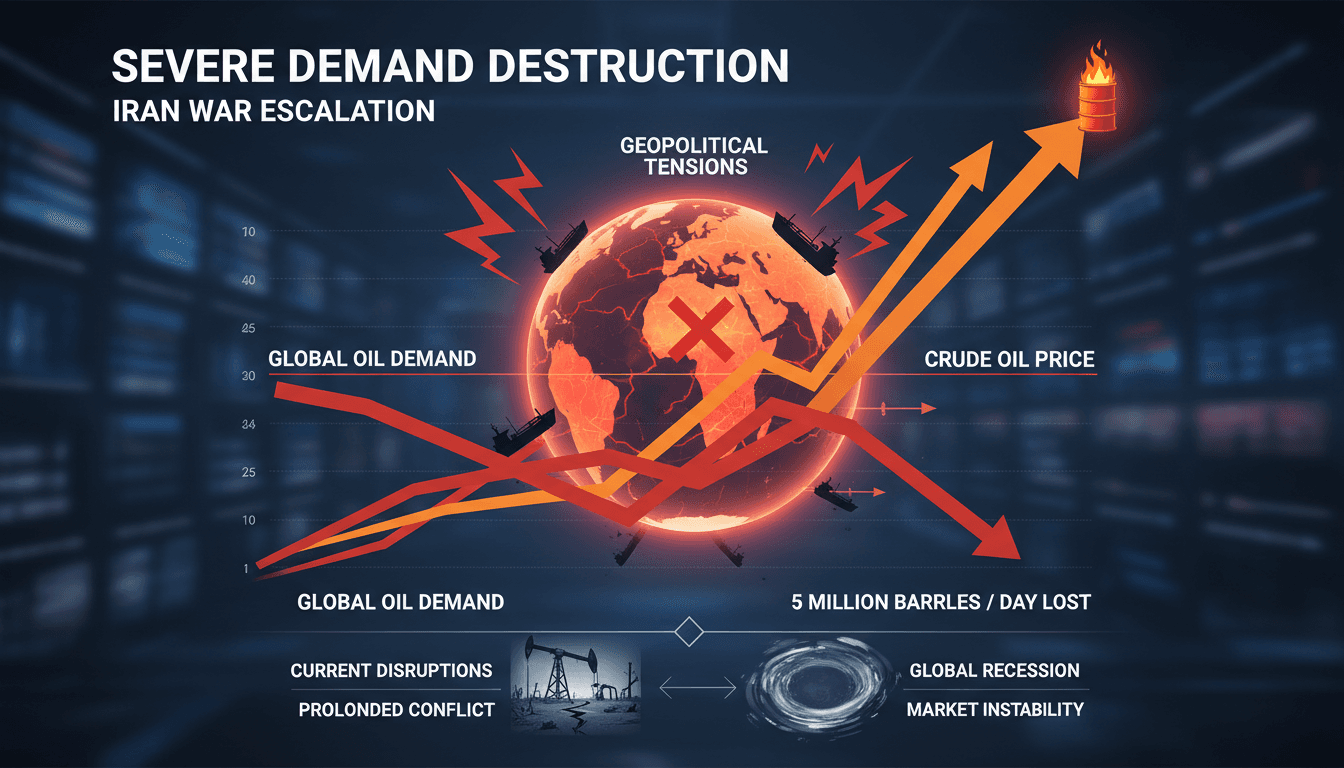
- Traders forecast that lost oil consumption could double to 5 million barrels per day next month, risking a global recession.
- The Strait of Hormuz remains closed, leading to unprecedented supply disruptions and surging oil prices above $100 per barrel.
The context you actually need
- The 2026 Iran war began in early March, leading to the largest oil supply disruption in history, with over 10 million barrels per day initially lost.
- The International Energy Agency (IEA) has projected the first global oil demand decline since 2020 due to these disruptions.
- UAE fuel prices surged over 30% in April 2026, affecting living costs and threatening the regional economy.
What's really happening
The ongoing Iran war has created a perfect storm for global oil markets. With the Strait of Hormuz, a critical chokepoint for oil transport, closed since March 4, 2026, the world is witnessing unprecedented supply disruptions. Oil traders, including Saad Rahim from Trafigura, have highlighted that the worst is yet to come, with demand destruction particularly pronounced in non-visible markets like Southeast Asia. This situation is exacerbated by the fact that total supply losses have already reached 1 billion barrels, with projections suggesting that this could escalate to 1.5 billion barrels if the conflict continues.
The immediate impact of these disruptions is a sharp increase in oil prices, which have surged above $100 per barrel. This price spike is not just a temporary blip; it reflects deeper structural issues in the oil market. Gunvor's Frederic Lasserre has warned that lost consumption could double to 5 million barrels per day, representing 5% of global supply. Such a significant loss poses risks not only to oil prices but also to broader economic stability, as industries reliant on oil face soaring costs.
The volatility in oil markets has led to heightened physical premiums exceeding futures prices, indicating a market in distress. Central banks are now flagging inflation risks, and industries are reporting cost surges that could lead to flight cancellations and other disruptions. For instance, US gas prices have already risen by 47%, reflecting the broader economic implications of the conflict.
As the situation unfolds, governments are closely monitoring stockpiles and the potential for a recession. The ongoing ceasefire talks have stalled, leaving the market in a precarious position. The cumulative losses estimated by Vitol's Russel Hardy, up to 1 billion barrels, underscore the severity of the situation and the potential for long-term impacts on global oil supply and demand dynamics.
Who feels it first (and how)
- Consumers: Higher fuel prices lead to increased costs for transportation and goods.
- Airlines: Rising aviation fuel costs threaten profitability and could lead to flight cancellations.
- Industries: Manufacturing and logistics sectors face increased operational costs, impacting pricing and supply chains.
- Governments: Increased inflation and economic instability may prompt policy responses and adjustments in fiscal strategies.
What to watch next
- Ceasefire developments: Progress or setbacks in ceasefire talks will significantly influence market stability and oil prices.
- Global demand trends: Monitor changes in oil consumption patterns, particularly in emerging markets, as they will indicate broader economic health.
- Inflation indicators: Rising inflation rates in major economies could lead to shifts in monetary policy, impacting investment and consumer behavior.
Oil prices are currently above $100 per barrel due to supply disruptions.
Demand destruction will continue to escalate if the conflict persists, leading to further economic repercussions.
The duration of the conflict and its long-term impacts on global oil supply and demand remain uncertain.
Frequently Asked Questions
- Why it matters?
- The ongoing conflict in Iran is poised to disrupt global oil supply chains, impacting prices and economic stability worldwide.
- What happened (in 30 seconds)?
- On April 21, 2026, oil traders at the Financial Times Commodities Global Summit warned that demand destruction from the Iran war is accelerating. Traders forecast that lost oil consumption could double to 5 million barrels per day next month, risking a global recession. The Strait of Hormuz remains closed, leading to unprecedented supply disruptions and surging oil prices above $100 per barrel.
- What's really happening?
- The ongoing Iran war has created a perfect storm for global oil markets. With the Strait of Hormuz, a critical chokepoint for oil transport, closed since March 4, 2026, the world is witnessing unprecedented supply disruptions. Oil traders, including Saad Rahim from Trafigura, have highlighted that the worst is yet to come, with demand destruction particularly pronounced in non-visible markets like Southeast Asia. This situation is exacerbated by the fact that total supply losses have already rea
- Who feels it first (and how)?
- Consumers: Higher fuel prices lead to increased costs for transportation and goods. Airlines: Rising aviation fuel costs threaten profitability and could lead to flight cancellations. Industries: Manufacturing and logistics sectors face increased operational costs, impacting pricing and supply chains. Governments: Increased inflation and economic instability may prompt policy responses and adjustments in fiscal strategies.
- What to watch next?
- Ceasefire developments: Progress or setbacks in ceasefire talks will significantly influence market stability and oil prices. Global demand trends: Monitor changes in oil consumption patterns, particularly in emerging markets, as they will indicate broader economic health. Inflation indicators: Rising inflation rates in major economies could lead to shifts in monetary policy, impacting investment and consumer behavior.
Global markets, investing, and macroeconomics from a premier financial newsroom.
"Bloomberg is respected for in-depth financial reporting and data-driven analysis."
— A47 Editor
Top Oil Traders Warn Worst of Demand Hit From War Is Yet to Come
Top oil traders have indicated that the demand destruction caused by the ongoing conflict in Iran is expected to worsen, suggesting that the full economic repercussions of the war are yet to be realized. This warning highlights the precarious state o...
Macro commentary, policy analysis, growth/inflation themes, and global outlooks.
"Contextual macro coverage that complements day-to-day market headlines."
— A47 Editor
Vitol CEO says Iran war has cost 600-700 million barrels of oil supply
Vitol's CEO has reported that the ongoing conflict in Iran has resulted in a loss of 600-700 million barrels of oil supply, highlighting the significant impact of geopolitical tensions on global oil markets. This disruption has been exacerbated by th...