
Hubble Space Telescope Observes Fragmentation of Comet C/2025 K1 (ATLAS)
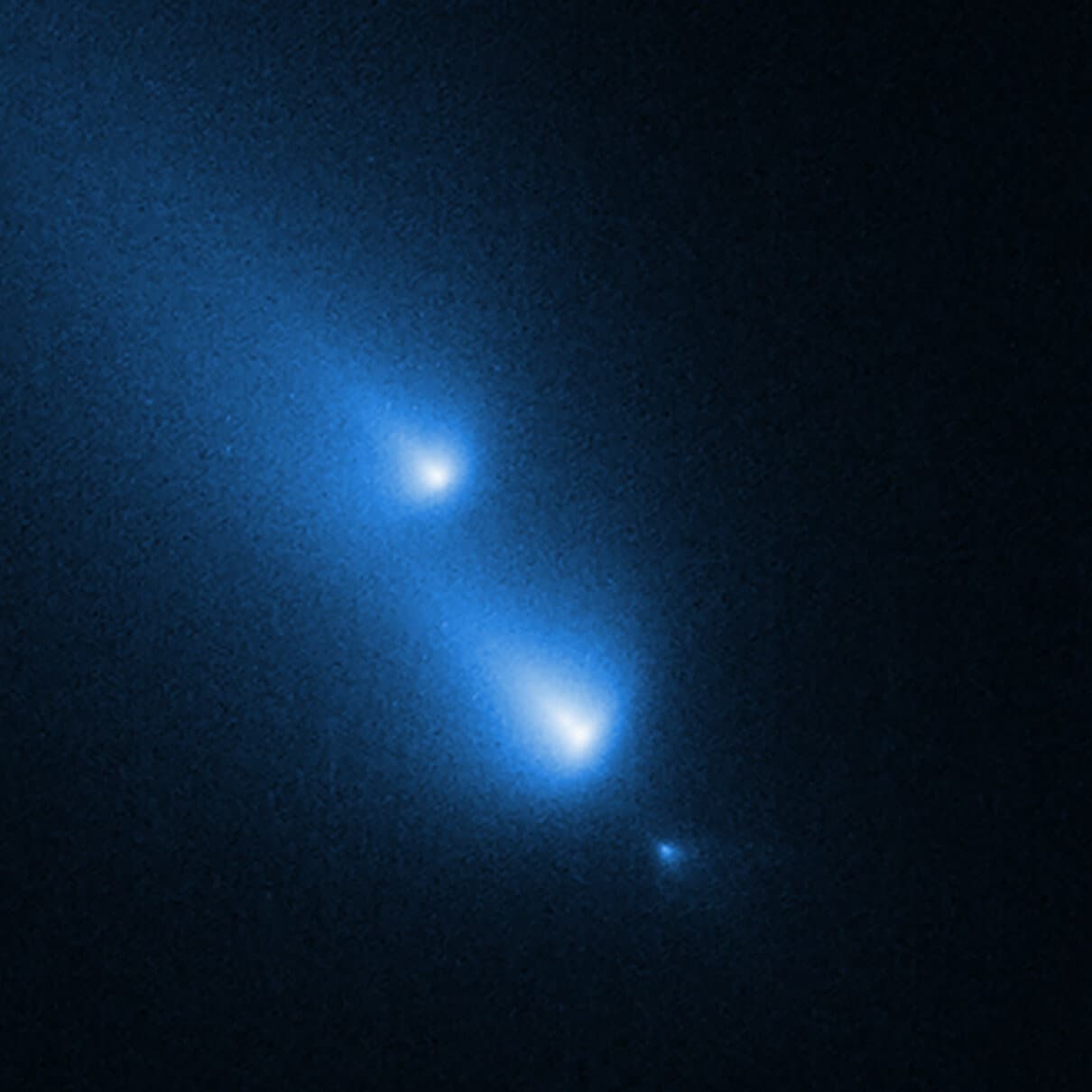
Here's what it means for you.
The recent fragmentation of Comet C/2025 K1 (ATLAS) offers scientists unprecedented insights into the origins of our solar system, potentially influencing future space exploration and research funding.
Why it matters
This event enhances our understanding of cometary behavior and the materials that formed the solar system, which can impact future scientific endeavors and funding in space research.
What happened (in 30 seconds)
- NASA's Hubble Space Telescope observed Comet C/2025 K1 (ATLAS) fragmenting into at least four pieces from November 8-10, 2025.
- The comet's breakup was triggered by thermal stress after its perihelion passage on October 8, 2025, exposing primordial materials.
- Astronomers hailed this rare observation as a significant opportunity to study the dynamics of comet disintegration and solar system formation.
The context you actually need
- Comet C/2025 K1 (ATLAS) was discovered in May 2025 and approached the Sun, reaching its closest point (perihelion) at 0.33 AU.
- Fragmentation of comets is a common phenomenon, but observing it in the early stages is rare, providing unique insights into their structure and composition.
- The findings from this event are expected to contribute to ongoing research in planetary science and may influence future missions aimed at studying comets and asteroids.
What's really happening
The fragmentation of Comet C/2025 K1 (ATLAS) provides a rare glimpse into the processes that govern comet behavior and the early solar system. Discovered by NASA's ATLAS program in May 2025, this long-period comet approached the Sun and reached its perihelion on October 8, 2025. As it neared the Sun, intense solar heating induced thermal stress on its nucleus, which is estimated to be about 5 miles in diameter. This stress led to the explosive vaporization of subsurface ices, causing the comet to break apart—a fate that many comets face but is seldom observed in its initial stages.
During a backup observation, Hubble's STIS instrument captured three images over the course of three days, documenting the transition from an intact comet to multiple fragments. On the first day, the comet appeared whole; by the second day, four distinct fragments were visible; and on the third day, one of those fragments had further subdivided. This rapid fragmentation and the exposure of primordial materials provide astronomers with valuable data about the chemical composition of comets, which are considered time capsules from the early solar system.
The analysis of the fragments revealed a chemically anomalous composition, notably depleted in carbon, which raises questions about the materials that formed the comet. These insights are crucial for understanding the building blocks of planets and the processes that led to the formation of our solar system. The event has sparked excitement among astronomers, as it allows for the study of unprocessed primordial ices and the dynamics of comet disintegration.
The implications of this observation extend beyond mere curiosity. Understanding comet behavior can inform future space missions, including potential sample return missions targeting comets and asteroids. As scientists analyze the fragments and their compositions, they may uncover clues that could reshape our understanding of planetary formation and the evolution of the solar system.
Who feels it first (and how)
- Astronomers and planetary scientists: They gain insights into cometary physics and solar system formation, influencing future research directions.
- Space agencies: Organizations like NASA may adjust mission priorities based on findings, impacting funding and resource allocation.
- Educational institutions: Increased interest in space science could lead to more funding for research and educational programs in astronomy.
What to watch next
- Spectroscopic analysis results: Ongoing studies of the comet fragments will reveal more about their composition, which is crucial for understanding solar system formation.
- Future comet observations: Monitoring other comets for similar fragmentation events can provide additional data on comet behavior and characteristics.
- Funding shifts in space research: As discoveries emerge from this event, there may be changes in funding priorities for space exploration and research initiatives.
The comet fragmented into at least four pieces due to thermal stress.
The findings will influence future research and funding in planetary science.
The long-term implications of these insights on space exploration missions remain to be seen.
Frequently Asked Questions
- Why it matters?
- This event enhances our understanding of cometary behavior and the materials that formed the solar system, which can impact future scientific endeavors and funding in space research.
- What happened (in 30 seconds)?
- NASA's Hubble Space Telescope observed Comet C/2025 K1 (ATLAS) fragmenting into at least four pieces from November 8-10, 2025. The comet's breakup was triggered by thermal stress after its perihelion passage on October 8, 2025, exposing primordial materials. Astronomers hailed this rare observation as a significant opportunity to study the dynamics of comet disintegration and solar system formation.
- What's really happening?
- The fragmentation of Comet C/2025 K1 (ATLAS) provides a rare glimpse into the processes that govern comet behavior and the early solar system. Discovered by NASA's ATLAS program in May 2025, this long-period comet approached the Sun and reached its perihelion on October 8, 2025. As it neared the Sun, intense solar heating induced thermal stress on its nucleus, which is estimated to be about 5 miles in diameter. This stress led to the explosive vaporization of subsurface ices, causing the comet t
- Who feels it first (and how)?
- Astronomers and planetary scientists: They gain insights into cometary physics and solar system formation, influencing future research directions. Space agencies: Organizations like NASA may adjust mission priorities based on findings, impacting funding and resource allocation. Educational institutions: Increased interest in space science could lead to more funding for research and educational programs in astronomy.
- What to watch next?
- Spectroscopic analysis results: Ongoing studies of the comet fragments will reveal more about their composition, which is crucial for understanding solar system formation. Future comet observations: Monitoring other comets for similar fragmentation events can provide additional data on comet behavior and characteristics. Funding shifts in space research: As discoveries emerge from this event, there may be changes in funding priorities for space exploration and research initiatives.
Space science news, astronomy updates, and spaceflight developments.
"Space.com delivers space science news, astronomy updates, and spaceflight developments with engaging coverage."
— A47 Editor
Hubble Space Telescope accidentally witnesses comet C/2025 K1 (ATLAS) breaking apart
NASA's Hubble Space Telescope has made a remarkable observation of comet C/2025 K1, also known as ATLAS, as it breaks apart into multiple fragments. This event occurred during the comet's close approach to the sun, providing astronomers with a unique...
Scientific research, space, environment, and health coverage.
"The New York Times is a globally recognized newspaper offering authoritative reporting with a center-left editorial stance."
— A47 Editor
NASA’s Hubble Telescope Spots Comet K1 Exploding Into Fragments
Astronomers using NASA's Hubble Telescope observed Comet C/2025 K1, also known as ATLAS, breaking into four or five fragments in November after its close approach to the sun. This event marks a significant moment in the study of comets and their beha...
Consumer technology news with AI coverage.
"Gadget and tech site reporting on AI in products."
— A47 Editor
Hubble catches rare view of a comet crumbling
NASA and ESA have released new images from the Hubble Space Telescope showing a comet, officially known as Comet C/2025 K1, breaking apart as it exits the solar system. This unexpected observation, part of a study published in the journal Icarus, pro...
Covers consumer technology, electronics, gadgets, and product reviews.
"Engadget is a trusted source for gadget reviews and consumer tech news, known for its hands-on analysis and industry coverage."
— A47 Editor
Hubble catches rare view of a comet crumbling
NASA and ESA have released new images from the Hubble Space Telescope showing a comet, officially known as Comet C/2025 K1, breaking apart as it exits the solar system. This unexpected observation, part of a study published in the journal Icarus, pro...