
U.S. Crude Oil Reaches $117.63 per Barrel Amid Trump Deadline for Iran on Strait of Hormuz
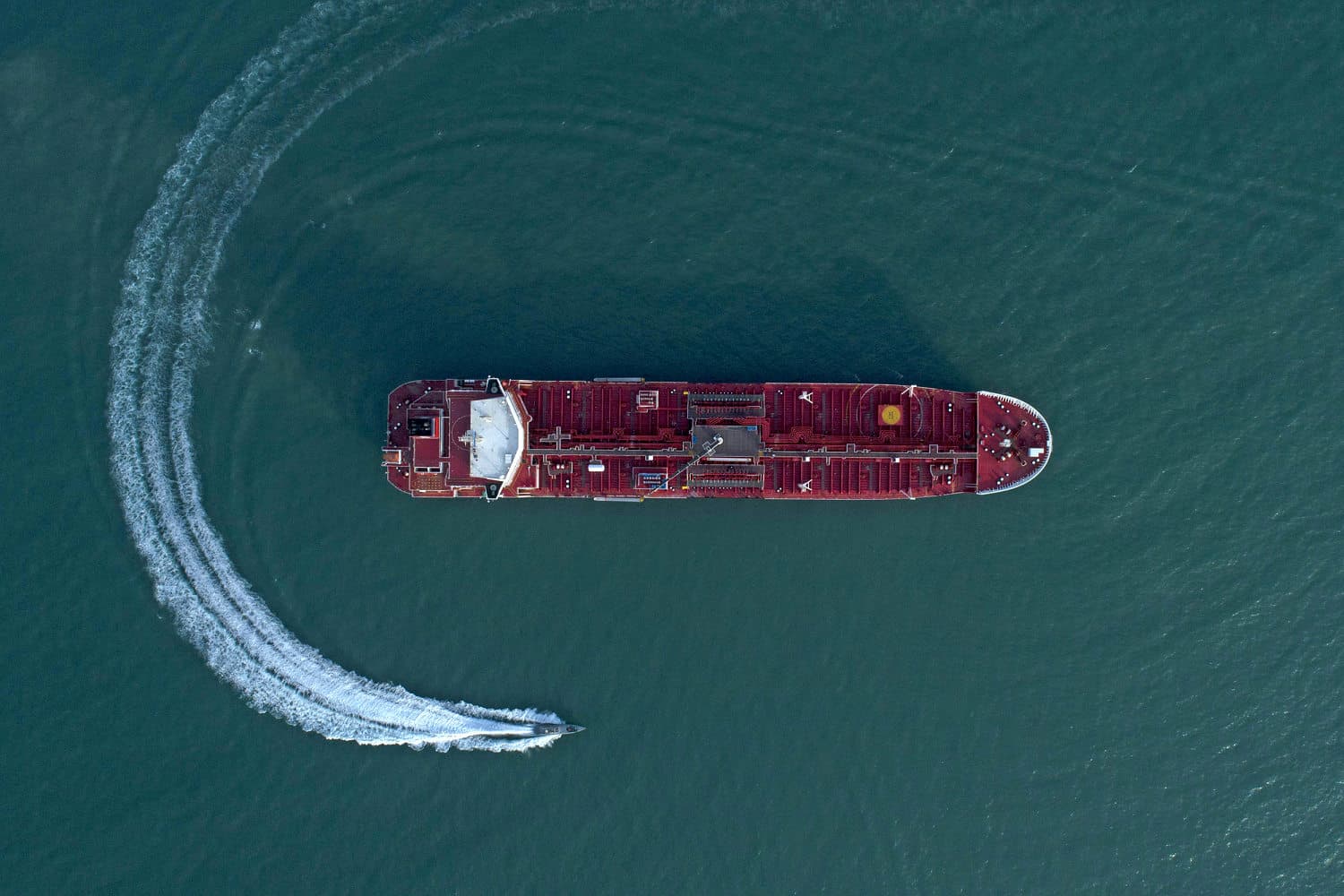
Here's what it means for you.
Rising oil prices could lead to increased costs for consumers and businesses globally.
Why it matters
The Strait of Hormuz is a critical chokepoint for global oil supply, and disruptions can significantly impact energy markets and economies worldwide.
What happened (in 30 seconds)
- U.S. crude oil prices surged to an intraday peak of $117.63 per barrel on April 7, 2026, amid escalating tensions in the Middle East.
- President Trump issued a deadline for Iran to reopen the Strait of Hormuz, which has seen over 95% reduction in maritime traffic due to ongoing conflict.
- U.S. stocks experienced volatility, with major indices fluctuating sharply as investors reacted to the geopolitical uncertainty.
The context you actually need
- The U.S.-Israel-Iran war began on February 28, 2026, leading to significant restrictions on oil shipping through the Strait of Hormuz.
- Iran’s actions have reduced daily ship traffic through the strait from around 130 vessels to less than 10, amplifying fears of supply disruptions.
- The geopolitical landscape is further complicated by President Trump’s ultimatums and military posturing, which have heightened market volatility and uncertainty.
What's really happening
The surge in crude oil prices to $117.63 per barrel on April 7, 2026, is a direct response to geopolitical tensions surrounding the Strait of Hormuz, a crucial artery for global oil trade. Approximately 20% of the world's oil passes through this narrow passage, making it a focal point for energy security. The ongoing U.S.-Israel-Iran conflict has led to drastic measures, including Iran's near-total restriction on maritime traffic, which has dropped by over 95%. This significant reduction has triggered fears of supply shortages, causing prices to spike.
President Trump’s ultimatum for Iran to reopen the strait adds another layer of complexity. As the deadline approached, market participants reacted with volatility, reflecting the uncertainty surrounding future oil supply. The U.S. stock market mirrored this volatility, with major indices experiencing sharp declines before recovering slightly. The Dow Jones Industrial Average dropped over 450 points at its lowest before closing down 85 points, indicating investor anxiety about the potential for prolonged conflict and its economic ramifications.
Moreover, the situation has prompted international responses, including mediation efforts from Pakistan, which has sought to extend the deadline for two weeks. This extension reflects a recognition of the potential economic fallout from continued restrictions on oil shipping. The White House's agreement to suspend military strikes on civilian infrastructure for this period suggests a willingness to explore diplomatic avenues, albeit under the looming threat of further escalation.
The implications of these developments extend beyond immediate price fluctuations. Higher oil prices are likely to lead to increased costs for consumers, particularly in regions heavily reliant on oil imports. In Dubai, for instance, residents are already facing elevated petrol prices and potential delays in essential goods due to rerouted shipping. The UAE government has placed its defense forces on alert, highlighting the regional security concerns that accompany these market dynamics.
As the situation evolves, analysts are closely monitoring the potential for a protracted conflict, which could establish a structural premium on oil prices, further complicating the global energy landscape.
Who feels it first (and how)
- Consumers: Higher gasoline and diesel prices, impacting daily commuting and transportation costs.
- Businesses: Increased operational costs due to rising energy prices, particularly in logistics and manufacturing sectors.
- Investors: Market volatility affecting stock portfolios, especially in energy and commodity sectors.
- Geopolitical analysts: Heightened focus on Middle Eastern stability and its implications for global energy security.
What to watch next
- Iran's compliance with the ultimatum: How Iran responds to the extended deadline will significantly influence oil prices and market stability.
- Global oil supply trends: Watch for changes in shipping traffic through the Strait of Hormuz and any shifts in production levels from other oil-producing nations.
- U.S. stock market reactions: Continued volatility in major indices will indicate investor sentiment regarding the geopolitical landscape and its economic implications.
Oil prices are currently elevated due to geopolitical tensions.
Continued volatility in energy markets as the situation develops.
The long-term impact on global oil supply and prices if the conflict escalates further.
Frequently Asked Questions
- Why it matters?
- The Strait of Hormuz is a critical chokepoint for global oil supply, and disruptions can significantly impact energy markets and economies worldwide.
- What happened (in 30 seconds)?
- U.S. crude oil prices surged to an intraday peak of $117.63 per barrel on April 7, 2026, amid escalating tensions in the Middle East. President Trump issued a deadline for Iran to reopen the Strait of Hormuz, which has seen over 95% reduction in maritime traffic due to ongoing conflict. U.S. stocks experienced volatility, with major indices fluctuating sharply as investors reacted to the geopolitical uncertainty.
- What's really happening?
- The surge in crude oil prices to $117.63 per barrel on April 7, 2026, is a direct response to geopolitical tensions surrounding the Strait of Hormuz, a crucial artery for global oil trade. Approximately 20% of the world's oil passes through this narrow passage, making it a focal point for energy security. The ongoing U.S.-Israel-Iran conflict has led to drastic measures, including Iran's near-total restriction on maritime traffic, which has dropped by over 95%. This significant reduction has tri
- Who feels it first (and how)?
- Consumers: Higher gasoline and diesel prices, impacting daily commuting and transportation costs. Businesses: Increased operational costs due to rising energy prices, particularly in logistics and manufacturing sectors. Investors: Market volatility affecting stock portfolios, especially in energy and commodity sectors. Geopolitical analysts: Heightened focus on Middle Eastern stability and its implications for global energy security.
- What to watch next?
- Iran's compliance with the ultimatum: How Iran responds to the extended deadline will significantly influence oil prices and market stability. Global oil supply trends: Watch for changes in shipping traffic through the Strait of Hormuz and any shifts in production levels from other oil-producing nations. U.S. stock market reactions: Continued volatility in major indices will indicate investor sentiment regarding the geopolitical landscape and its economic implications.
Capitol Hill news, legislation, and policy insight.
"The Hill specializes in U.S. politics and policy, with a focus on Capitol Hill developments and a reputation for insider reporting."
— A47 Editor
US strikes Kharg Island as Trump's deadline looms
The United States conducted airstrikes on military targets on Iran's Kharg Island, a critical hub for the nation's oil exports, as tensions escalated ahead of a deadline set by President Trump for Iran to reopen the Strait of Hormuz. This military ac...
Conservative-leaning political and national coverage.
"The Washington Times is a conservative-leaning newspaper known for its political coverage and advocacy of right-of-center viewpoints."
— A47 Editor
U.S. hits Iranian oil hub as Trump threatens to eliminate a 'whole civilization'
U.S. forces have conducted airstrikes on Kharg Island, a vital offshore hub for Iran's oil exports, amid escalating tensions following President Trump's threats to bomb Iran unless it complies with U.S. demands regarding the Strait of Hormuz. This mi...
Real-time updates, analysis, and reports on the blockchain and cryptocurrency sectors.
"Crypto News delivers real-time updates, analysis, and reports on the blockchain and cryptocurrency sectors."
— A47 Editor
US Iran War Latest News: America Strikes Iran’s Biggest Oil Hub at Kharg Island — Oil Prices Today Jump to $116
The United States has launched airstrikes targeting over 50 military sites on Kharg Island, Iran's primary oil export hub, resulting in a significant spike in oil prices, which have surged to $116 per barrel. This escalation marks a critical point in...
Pan-Arab news coverage spanning politics, business, sports, and regional affairs.
"Asharq Al-Awsat reflects a broad Arab editorial perspective with strong attention to regional geopolitics."
— A47 Editor
أميركا تشن غارات على أكثر من 50 هدفاً عسكرياً في جزيرة «خرج»
The United States conducted airstrikes on over 50 military targets in the island of Kharg early today, according to American officials, ahead of the deadline set by President Trump for Iran to reopen the Strait of Hormuz.
National headlines across the United States including breaking stories and societal issues.
"NBC News is a mainstream media outlet known for comprehensive national and international news coverage with a centrist to slightly left-leaning editorial tone."
— A47 Editor
Oil jumps above $116 as Trump's Strait of Hormuz deadline approaches
Oil prices surged above $116 as tensions escalated following U.S. airstrikes on Iran's Kharg Island, coinciding with President Trump's deadline for the reopening of the Strait of Hormuz. This military action is part of a broader strategy to pressure ...
Comprehensive coverage of global events, politics, and international issues.
"NBC News is a mainstream outlet known for comprehensive national and international coverage with a centrist to slightly left-leaning editorial tone."
— A47 Editor
Oil jumps above $116 as Trump's Strait of Hormuz deadline approaches
Oil prices surged above $116 as tensions escalated following U.S. airstrikes on Iran's Kharg Island, coinciding with President Trump's deadline for the reopening of the Strait of Hormuz. This military action is part of a broader strategy to pressure ...
U.S. business news, corporate developments, and economy.
"The Wall Street Journal is respected for deep financial and economic reporting with a center-right editorial perspective."
— A47 Editor
Why Did Trump Order an Attack on Iran’s Kharg Island?
President Donald Trump has ordered an attack on Iran’s Kharg Island, a critical depot for the Iranian oil industry, which plays a vital role in storing and loading most of the country's crude exports. This military action comes amid escalating tensio...
Breaking news, politics, business, and entertainment from the U.S. and around the world.
"The New York Post is a tabloid-format newspaper known for its sensationalist headlines and conservative-leaning editorial tone."
— A47 Editor
US strikes Iran’s oil-critical Kharg Island — as Trump warns ‘whole civilization will die’
The United States has conducted airstrikes on military targets located on Iran's Kharg Island, a crucial hub for the nation's oil exports, as reported by Axios. This action follows President Trump's stark warnings that failure to reopen the Strait of...
Global business headlines with AI angles.
"General business outlet that frequently covers AI."
— A47 Editor
U.S. Conducts Attack On Kharg Island, Iran's Key Hub For Oil Exports, Official Says
The U.S. military has conducted strikes on Kharg Island, a crucial hub for Iranian oil exports, amid escalating tensions between the U.S. and Iran. This action comes as President Donald Trump approaches a deadline for further military actions against...
Regional coverage and analysis focused on politics, diplomacy, and business across the Middle East.
"Al-Monitor is known for analytical reporting on Middle East politics and policy developments."
— A47 Editor
US strikes military targets on Iran's Kharg Island, US official says
The U.S. military has conducted strikes on military targets located on Iran's Kharg Island, as reported by Axios, citing an unnamed senior U.S. official. This action is part of a broader escalation in military tensions between the U.S. and Iran, whic...
Arabic-language UAE newspaper coverage focused on domestic affairs, public institutions, business, society, and regional developments.
"Al Khaleej coverage generally reflects a mainstream UAE editorial lens with strong attention to public affairs, institutions, and regional developments."
— A47 Editor
غارات تستهدف جزيرة خرج الإيرانية
Iranian media reported that U.S.-Israeli airstrikes targeted the Iranian island of Kharg, with U.S. military officials confirming strikes on military objectives. The Iranian Red Crescent stated that a railway line was hit, and residents in Tehran rep...
Global political, business, and cultural coverage from WSJ international desks.
"The Wall Street Journal offers extensive international reporting with a reputation for financial insight and a center-right editorial stance."
— A47 Editor
Why Did Trump Order an Attack on Iran’s Kharg Island?
*# US forces, under President Trump's orders, launched bombing raids on Iran's Kharg Island, a strategic hub for Iranian oil exports, amid escalating tensions in the Gulf region. *# The attack targets the core of Iran's oil infrastructure, signaling ...