
NASA Artemis II Crew Releases Historic Images of Earthset and Solar Eclipse During Lunar Flyby
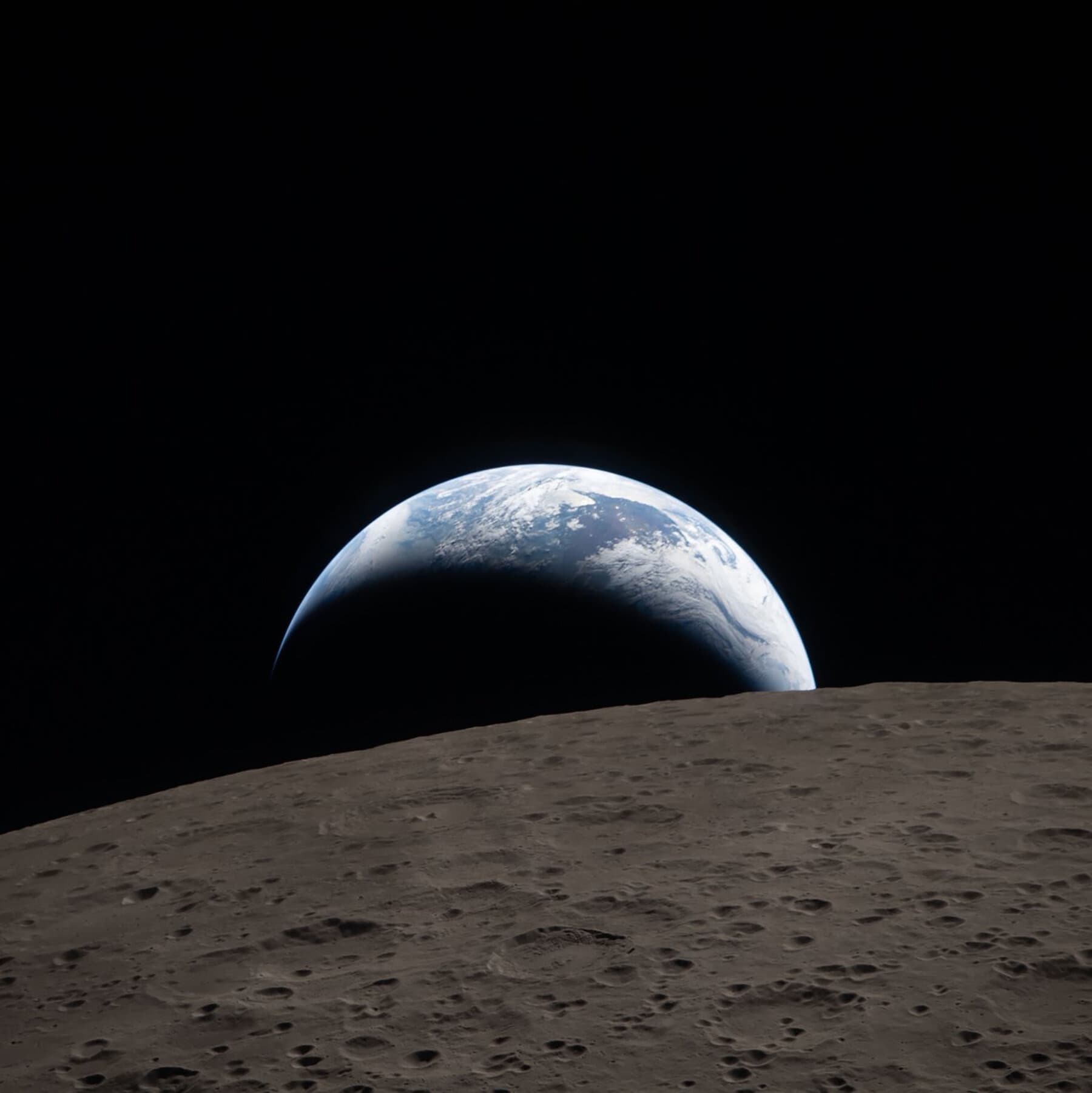
Here's what it means for you.
The Artemis II mission's groundbreaking imagery could inspire a new wave of interest in space exploration and technology, impacting industries from aerospace to education.
Why it matters
This mission marks a significant step in humanity's return to the Moon, potentially revitalizing interest and investment in space exploration.
What happened (in 30 seconds)
- NASA's Artemis II mission crew captured the first human images of Earthset and a solar eclipse during their lunar flyby on April 6, 2026.
- The crew achieved a record distance of 248,655 miles from Earth, surpassing Apollo 13's previous record.
- Images released on April 7, 2026, showcase a crescent Earth and the Sun's corona, highlighting our planet's fragility.
The context you actually need
- Artemis II is the first crewed flight of NASA's Artemis program, following the uncrewed Artemis I mission in 2022.
- The mission's goals include validating the Space Launch System rocket and Orion spacecraft for future lunar and Mars missions.
- Global competition in space, particularly from China and private sector advancements, underscores the importance of this mission for U.S. leadership in space exploration.
What's really happening
The Artemis II mission, launched on April 1, 2026, represents a pivotal moment in the ongoing quest for human exploration beyond Earth. As the first crewed flight of NASA's Artemis program, it aims to validate critical technologies and systems necessary for sustained lunar presence and future Mars exploration. The mission's trajectory was meticulously planned, allowing the Orion spacecraft, named "Integrity," to achieve a record distance of 248,655 miles from Earth on April 6, 2026, eclipsing the Apollo 13 record set in 1970.
During the lunar flyby, the crew—comprising Reid Wiseman, Victor Glover, Christina Koch, and Jeremy Hansen—experienced a seven-hour communications blackout while traversing the Moon's far side. This period of isolation heightened the anticipation for the images they would capture, which included stunning views of lunar craters and the Earthset. At 6:41 p.m. EDT, the crew documented the Earth as a crescent against the stark lunar landscape, a moment that resonates deeply with humanity's connection to its home planet.
The images released on April 7, 2026, not only serve as a scientific achievement but also evoke emotional responses reminiscent of historical milestones like the Apollo 8 Earthrise. The crew's reflections on their experience highlight the profound impact of seeing Earth from such a distance, with Christina Koch stating, "We will always choose Earth. We will always choose each other." This sentiment encapsulates the mission's broader implications for humanity, emphasizing the need for collaboration and stewardship of our planet.
The Artemis II mission occurs against a backdrop of increasing global competition in space. Countries like China are advancing their lunar ambitions, while private companies are pushing the boundaries of space technology. This context amplifies the significance of Artemis II, as it not only aims to establish a sustainable human presence on the Moon but also positions the U.S. as a leader in the next era of space exploration.
Moreover, the mission is expected to stimulate the U.S. aerospace economy, with projections indicating a boost in investments and innovations in related sectors. As public interest in space exploration grows, educational initiatives and partnerships may emerge, fostering a new generation of scientists and engineers inspired by the mission's achievements.
Who feels it first (and how)
- Aerospace engineers: Increased demand for innovative technologies and systems for future missions.
- Educational institutions: Opportunities to engage students in STEM fields through programs inspired by Artemis II.
- Investors in space technology: Potential for growth in the aerospace sector as public and private investments increase.
What to watch next
- Public engagement initiatives: Look for new educational programs and outreach efforts aimed at inspiring future generations in STEM.
- Investment trends in aerospace: Monitor shifts in funding and partnerships within the space industry, particularly in response to Artemis II's success.
- Global space policy developments: Keep an eye on international collaborations and competition in space exploration, particularly from emerging spacefaring nations.
Artemis II has achieved the farthest distance from Earth by any human spaceflight.
Increased public interest and investment in space exploration and technology.
The long-term impact on international space policy and collaboration.
Frequently Asked Questions
- Why it matters?
- This mission marks a significant step in humanity's return to the Moon, potentially revitalizing interest and investment in space exploration.
- What happened (in 30 seconds)?
- NASA's Artemis II mission crew captured the first human images of Earthset and a solar eclipse during their lunar flyby on April 6, 2026. The crew achieved a record distance of 248,655 miles from Earth, surpassing Apollo 13's previous record. Images released on April 7, 2026, showcase a crescent Earth and the Sun's corona, highlighting our planet's fragility.
- What's really happening?
- The Artemis II mission, launched on April 1, 2026, represents a pivotal moment in the ongoing quest for human exploration beyond Earth. As the first crewed flight of NASA's Artemis program, it aims to validate critical technologies and systems necessary for sustained lunar presence and future Mars exploration. The mission's trajectory was meticulously planned, allowing the Orion spacecraft, named "Integrity," to achieve a record distance of 248,655 miles from Earth on April 6, 2026, eclipsing th
- Who feels it first (and how)?
- Aerospace engineers: Increased demand for innovative technologies and systems for future missions. Educational institutions: Opportunities to engage students in STEM fields through programs inspired by Artemis II. Investors in space technology: Potential for growth in the aerospace sector as public and private investments increase.
- What to watch next?
- Public engagement initiatives: Look for new educational programs and outreach efforts aimed at inspiring future generations in STEM. Investment trends in aerospace: Monitor shifts in funding and partnerships within the space industry, particularly in response to Artemis II's success. Global space policy developments: Keep an eye on international collaborations and competition in space exploration, particularly from emerging spacefaring nations.
Comprehensive coverage of Middle Eastern and global issues.
"Al Jazeera is a prominent voice from the Global South, especially the Middle East, with an emphasis on underreported stories."
— A47 Editor
NASA releases picture of ‘Earthset’ shot by Artemis crew
NASA has released a remarkable image of an 'Earthset' captured by the Artemis II crew during their historic lunar flyby on April 6, 2026. This image echoes the iconic 'Earthrise' photograph taken by Apollo 8 astronauts over 57 years ago, marking a si...
Global news coverage with extensive reporting on Middle Eastern conflicts and geopolitics.
"Al Jazeera is a Qatar-based broadcaster known for wide regional coverage and alternative perspectives."
— A47 Editor
NASA releases picture of ‘Earthset’ shot by Artemis crew
NASA has released a remarkable image of an 'Earthset' captured by the Artemis II crew during their historic lunar flyby on April 6, 2026. This image echoes the iconic 'Earthrise' photograph taken by Apollo 8 astronauts over 57 years ago, marking a si...
Tech news, hardware, and AI tools coverage.
"PC/tech site increasingly covering AI hardware and apps."
— A47 Editor
NASA just dropped new high-quality Moon photos from Artemis II
NASA has released around two dozen high-resolution photos of the Moon captured by the Artemis II mission crew, which marks the first crewed flight to the Moon in over 50 years. The mission, launched on April 1, 2026, features four astronauts aboard t...
Emerging technologies, digital transformation, IT, and cultural impact of tech.
"WIRED covers the intersection of technology, culture, and politics with a progressive, forward-looking editorial stance."
— A47 Editor
Artemis II’s Breathtaking View of the Far Side of the Moon
NASA's Artemis II mission successfully launched on April 1, 2026, marking the first crewed flight to the Moon in over 50 years. The mission's initial images showcase the Moon from just 7,000 km away, highlighting the spacecraft's capabilities and the...
Discoveries, research, environment, and health innovations.
"New Scientist is a well-respected publication offering accessible science news, commentary, and expert analysis."
— A47 Editor
The most stunning pictures from Artemis II’s flyby of the moon
NASA's Artemis II mission has successfully completed a historic lunar flyby, capturing stunning images of the moon, including close-ups of its far side and a breathtaking solar eclipse. The crew aboard the Orion spacecraft expressed overwhelming emot...
Space science news, astronomy updates, and spaceflight developments.
"Space.com delivers space science news, astronomy updates, and spaceflight developments with engaging coverage."
— A47 Editor
Artemis 2 captures historic 'Earthset' photo | Space photo of the day for April 7, 2026
During their historic lunar flyby on April 6, 2026, the Artemis 2 astronauts captured a remarkable 'Earthset' photograph as Earth slipped from view, marking a significant milestone in space exploration.
Space exploration, astronomy, and astrophysics.
"The New York Times is a globally recognized newspaper offering authoritative reporting with a center-left editorial stance."
— A47 Editor
See First Photos From NASA’s Artemis II Moon Mission Capturing a Setting Earth and Eclipse
NASA's Artemis II mission has successfully captured stunning imagery of Earth and an eclipse during its lunar flyby, with the crew aboard the Orion Integrity spacecraft sharing their first photos from space. This marks a significant milestone as it i...
Science and technology stories including AI.
"Longstanding science magazine with thoughtful AI coverage."
— A47 Editor
See NASA’s Artemis II mission’s first incredible photos of the moon, Earth and a total solar eclipse
NASA's Artemis II mission has successfully launched, marking the first crewed flight to the Moon in over 50 years. The mission, which began on April 1, 2026, features four astronauts aboard the Orion spacecraft, who have captured stunning images of E...
Scientific research, technology, environment, and society.
"Scientific American is one of the oldest and most authoritative science magazines, known for deep dives into science, technology, and society."
— A47 Editor
See NASA’s Artemis II mission’s first incredible photos of the moon, Earth and a total solar eclipse
NASA's Artemis II mission has successfully launched, marking the first crewed flight to the Moon in over 50 years. The mission, which began on April 1, 2026, features four astronauts aboard the Orion spacecraft, who have captured stunning images of E...
Scientific research, technology, environment, and society.
"Scientific American is one of the oldest and most authoritative science magazines, known for deep dives into science, technology, and society."
— A47 Editor
NASA’s Artemis II astronauts celebrate epic lunar flyby with stunning new images
NASA's Artemis II mission has successfully completed its sixth day, during which astronauts captured breathtaking images of the Moon and Earth, marking a historic lunar flyby that showcases parts of the Moon never seen by humans before. The crew also...
Science and technology stories including AI.
"Longstanding science magazine with thoughtful AI coverage."
— A47 Editor
NASA’s Artemis II astronauts celebrate epic lunar flyby with stunning new images
NASA's Artemis II mission has successfully completed its sixth day, during which astronauts captured breathtaking images of the Moon and Earth, marking a historic lunar flyby that showcases parts of the Moon never seen by humans before. The crew also...