
Trump Threatens NATO Allies Over Ukraine Arms Amid Strait of Hormuz Crisis
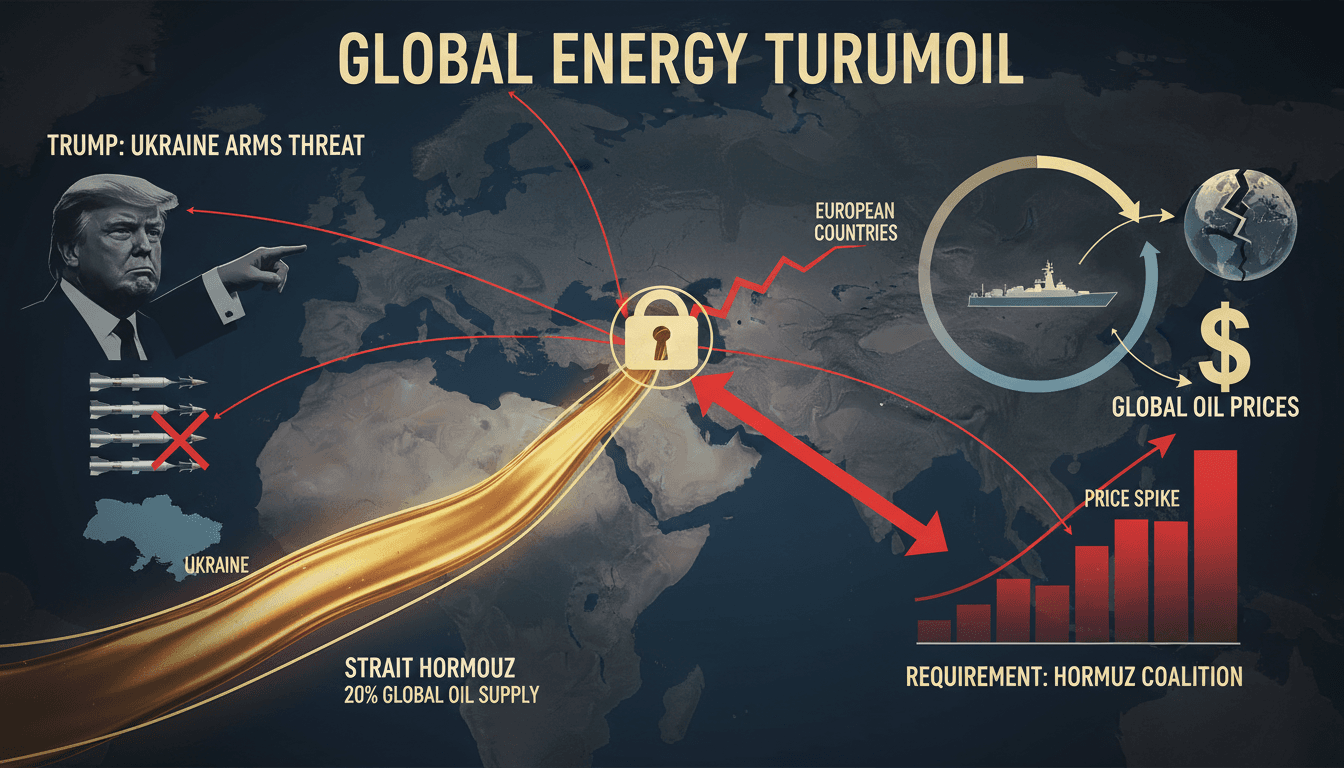
Here's what it means for you.
The geopolitical tug-of-war over military aid and oil security could impact global energy prices and defense strategies.
Why it matters
This diplomatic ultimatum highlights the fragility of NATO alliances and the interconnectedness of military support and energy security.
What happened (in 30 seconds)
- On April 1, 2026, President Trump threatened to suspend U.S. weapons supplies to Ukraine unless European NATO allies joined a coalition to secure the Strait of Hormuz.
- This ultimatum emerged amid Iran's blockade of the strait, which halted 20% of global oil supplies and spiked energy prices.
- European allies have been reluctant to commit naval forces, prioritizing support for Ukraine against Russia through the NATO PURL program.
The context you actually need
- The U.S.-Iran war began on February 28, 2026, following U.S.-Israeli airstrikes, prompting Iran to retaliate by blockading the Strait of Hormuz.
- The blockade has significant implications, as it disrupts a critical maritime route for oil, affecting global energy markets and prices.
- Trump's push for European naval support reflects a broader strategy to consolidate NATO's role in global security while leveraging military aid to Ukraine as a bargaining chip.
What's really happening
The ultimatum from President Trump to European NATO allies is rooted in a complex interplay of military strategy and energy security. Following the U.S.-Iran war's escalation, the blockade of the Strait of Hormuz has created a precarious situation for global oil supplies, impacting economies worldwide. The strait is a vital passage for approximately 20% of the world's oil, and disruptions here have immediate repercussions on energy prices, which have already surged above $98 per barrel.
Trump's demand for European allies to contribute naval forces to secure the strait underscores a shift in U.S. foreign policy, where military aid to Ukraine is being used as leverage in negotiations. The NATO PURL program, which facilitates European funding for U.S. arms to Ukraine, is now intertwined with the security of a critical maritime route. This linkage raises questions about the cohesion of NATO and the willingness of European nations to engage in military operations outside their immediate interests.
European allies, particularly France and Germany, have expressed reluctance to commit naval forces, fearing entanglement in Middle Eastern conflicts while they are already focused on supporting Ukraine against Russian aggression. This hesitation reflects broader concerns about the risks associated with military involvement in a volatile region, especially given the historical complexities of U.S.-Iran relations.
The situation is further complicated by the economic implications of rising oil prices, which can lead to domestic unrest and political pressure within European nations. As energy costs rise, public sentiment may shift against military commitments that could exacerbate economic challenges. The trade-off between supporting Ukraine and securing global oil supplies presents a dilemma for NATO allies, as they navigate their national interests and collective security obligations.
In essence, Trump's ultimatum not only highlights the immediate tensions within NATO but also signals a potential reconfiguration of global alliances and military strategies in response to energy security challenges. The implications of this ultimatum will resonate beyond the battlefield, affecting energy markets, defense spending, and international relations.
Who feels it first (and how)
- Energy consumers: Higher oil prices will directly impact fuel costs for households and businesses.
- Military contractors: Increased demand for arms and defense systems as NATO allies reassess their military readiness.
- European governments: Political pressure mounts as citizens react to rising energy costs and potential military engagements.
What to watch next
- European military commitments: Monitor any announcements regarding naval deployments to the Strait of Hormuz and their implications for NATO unity.
- Oil price fluctuations: Watch for changes in global oil prices as the situation evolves, particularly if the blockade persists or escalates.
- Public sentiment in Europe: Track how rising energy costs influence public opinion on military support for Ukraine and involvement in Middle Eastern conflicts.
The Strait of Hormuz is critical for global oil supplies, with 20% of oil transit affected by the blockade.
European NATO allies will continue to face internal pressures regarding military commitments and energy costs.
The long-term effects of Trump's ultimatum on NATO cohesion and U.S.-Iran relations remain uncertain.
Frequently Asked Questions
- Why it matters?
- This diplomatic ultimatum highlights the fragility of NATO alliances and the interconnectedness of military support and energy security.
- What happened (in 30 seconds)?
- On April 1, 2026, President Trump threatened to suspend U.S. weapons supplies to Ukraine unless European NATO allies joined a coalition to secure the Strait of Hormuz. This ultimatum emerged amid Iran's blockade of the strait, which halted 20% of global oil supplies and spiked energy prices. European allies have been reluctant to commit naval forces, prioritizing support for Ukraine against Russia through the NATO PURL program.
- What's really happening?
- The ultimatum from President Trump to European NATO allies is rooted in a complex interplay of military strategy and energy security. Following the U.S.-Iran war's escalation, the blockade of the Strait of Hormuz has created a precarious situation for global oil supplies, impacting economies worldwide. The strait is a vital passage for approximately 20% of the world's oil, and disruptions here have immediate repercussions on energy prices, which have already surged above $98 per barrel. Trump's
- Who feels it first (and how)?
- Energy consumers: Higher oil prices will directly impact fuel costs for households and businesses. Military contractors: Increased demand for arms and defense systems as NATO allies reassess their military readiness. European governments: Political pressure mounts as citizens react to rising energy costs and potential military engagements.
- What to watch next?
- European military commitments: Monitor any announcements regarding naval deployments to the Strait of Hormuz and their implications for NATO unity. Oil price fluctuations: Watch for changes in global oil prices as the situation evolves, particularly if the blockade persists or escalates. Public sentiment in Europe: Track how rising energy costs influence public opinion on military support for Ukraine and involvement in Middle Eastern conflicts.
Arabic-language political and world news coverage for UAE readers.
"Emarat Al Youm world coverage usually presents international developments through a UAE and Arab audience lens."
— A47 Editor
"فاينانشال تايمز": ترامب هدد أوروبا بوقف تزويد أوكرانيا بالأسلحة بسبب هرمز "فاينانشال تايمز": ترامب هدد أوروبا بوقف تزويد أوكرانيا بالأسلحة بسبب هرمز
According to the Financial Times, U.S. President Donald Trump has threatened to halt arms supplies to Ukraine if European nations do not comply with his demands regarding the Strait of Hormuz. This warning highlights the ongoing tensions between the ...
Arabic-language coverage of political affairs and current events.
"Okaz political coverage typically follows mainstream Saudi framing on national and regional affairs."
— A47 Editor
وسط مخاوف أوروبية.. هل يوقف ترمب الدعم لأوكرانيا وينسحب من «الناتو»؟
U.S. President Donald Trump has raised concerns in Europe by threatening to halt military support for Ukraine and consider withdrawing from NATO. According to the Financial Times, Trump has indicated that he might stop arms supplies to Ukraine to pre...
Arabic-language coverage of international news and geopolitics.
"RT Arabic is a Russian state-funded outlet often criticized for promoting Kremlin-aligned narratives."
— A47 Editor
صحيفة: ترامب هدد بوقف توريدات الأسلحة لأوكرانيا إن لم تشارك أوروبا في فتح مضيق هرمز
The Financial Times reported that U.S. President Donald Trump threatened European allies with a halt to arms supplies to Ukraine unless they make efforts to open the Strait of Hormuz. This statement underscores the ongoing geopolitical tensions surro...