
Crude Oil Prices Exceed $113 as U.S. Issues Ultimatum to Iran on Strait of Hormuz
Here's what it means for you.
Rising oil prices could impact your fuel costs and the prices of goods you purchase.
Why it matters
The Strait of Hormuz is a critical artery for global oil supply, and disruptions can lead to significant economic ripple effects.
What happened (in 30 seconds)
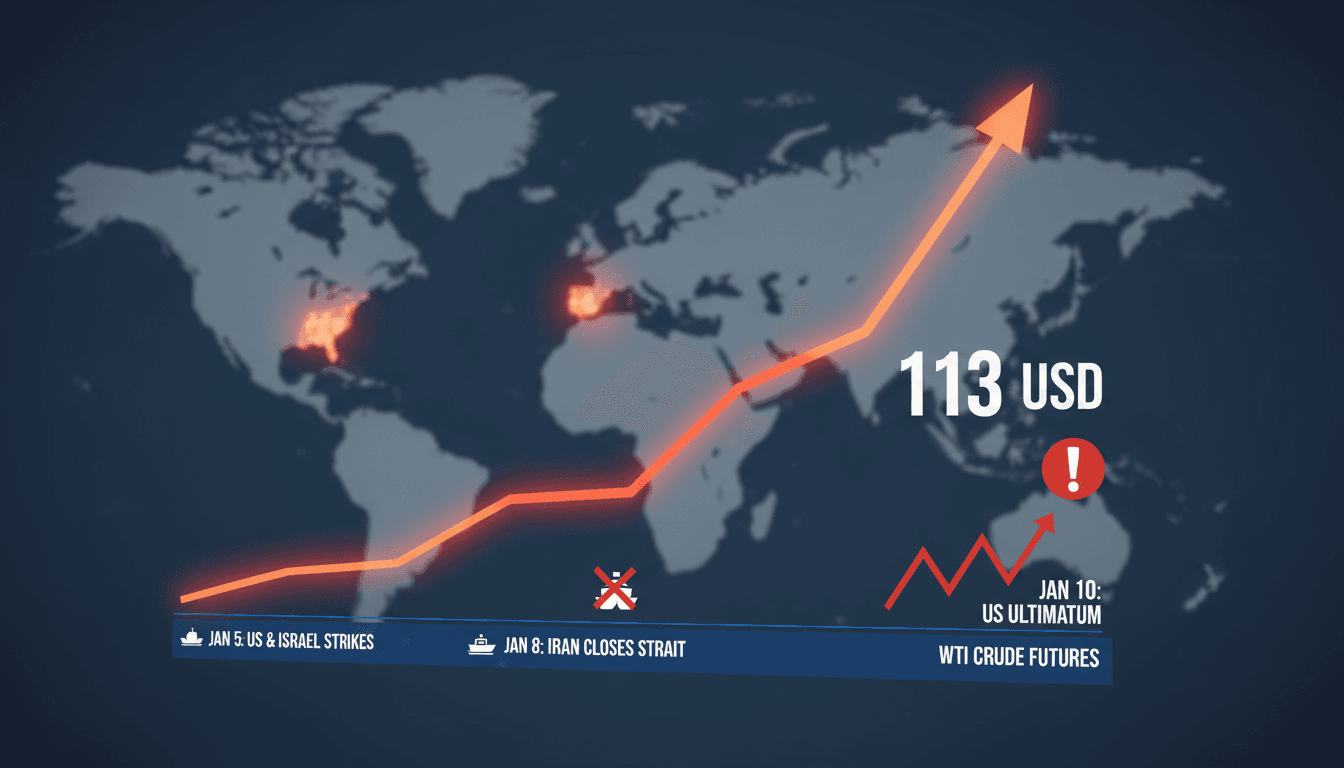
- Crude oil prices surged: West Texas Intermediate futures exceeded $113 per barrel amid escalating tensions between the U.S. and Iran.
- Iran closed the Strait of Hormuz: This vital shipping lane, responsible for 20% of global oil shipments, was shut down following military conflicts.
- U.S. President Trump issued a final ultimatum: A deadline for Iran to reopen the strait is set, with threats of military action if unmet.
The context you actually need
- Conflict escalation: The current tensions stem from U.S. and Israeli airstrikes on Iranian military targets, prompting Iran to retaliate by closing the Strait of Hormuz.
- Market reactions: The oil market is reacting to both immediate supply disruptions and the geopolitical uncertainty surrounding the conflict.
- OPEC+ dynamics: Limited production increases from OPEC+ are further straining supply, exacerbated by other geopolitical factors like the Ukraine crisis.
What's really happening
The surge in crude oil prices to over $113 per barrel is a direct consequence of heightened geopolitical tensions between the U.S. and Iran, which have escalated since February 28, 2026. On that date, coordinated airstrikes by U.S. and Israeli forces targeted Iranian military infrastructure, which Iran responded to by declaring the Strait of Hormuz closed to vessels associated with the U.S. and its allies. This closure disrupts around 20% of global oil trade, creating immediate supply shortages and driving prices upward.
As the situation unfolded, President Trump issued a series of ultimatums to Iran, culminating in a final deadline for reopening the strait. This ultimatum has intensified market speculation, with traders reacting to the potential for military escalation. The anticipation of conflict has overshadowed traditional market fundamentals, leading to record premiums in West Texas Intermediate (WTI) prices.
The geopolitical landscape is further complicated by OPEC+ production constraints and ongoing conflicts in Ukraine, where drone strikes have targeted Russian oil facilities. These factors collectively contribute to a tightening global oil supply, which is reflected in rising prices. Analysts note that the fear of prolonged conflict is driving traders to secure alternative supplies, further pushing prices higher.
In the UAE, elevated oil prices could enhance revenues for ADNOC, particularly through infrastructure like the Habshan-Fujairah pipeline, which bypasses the strait. However, residents in Dubai may face moderated fuel cost increases due to strategic reserves, while inflationary pressures on imported goods and increased aviation fuel costs could impact tourism and logistics.
Who feels it first (and how)
- Consumers: Higher fuel prices will directly affect your transportation costs and the price of goods.
- Businesses: Companies reliant on oil for logistics and operations may see increased costs, affecting pricing strategies.
- Tourism sector: Increased aviation fuel costs could lead to higher ticket prices, impacting travel plans and tourism revenues.
- Investors: Those in energy markets may experience volatility in stock prices and investment returns based on oil price fluctuations.
What to watch next
- Iran's response to the ultimatum: How Iran reacts to the U.S. deadline will be crucial in determining the future of oil prices and market stability.
- OPEC+ production decisions: Any changes in production levels from OPEC+ could significantly impact global oil supply and prices.
- Global economic indicators: Watch for inflation rates and consumer spending patterns, as rising oil prices may lead to broader economic impacts.
Oil prices have surged due to geopolitical tensions and supply disruptions.
Continued volatility in oil prices as the situation evolves and market participants react to news.
The long-term implications of sustained high oil prices on global economic growth and consumer behavior.
Frequently Asked Questions
- Why it matters?
- The Strait of Hormuz is a critical artery for global oil supply, and disruptions can lead to significant economic ripple effects.
- What happened (in 30 seconds)?
- Crude oil prices surged: West Texas Intermediate futures exceeded $113 per barrel amid escalating tensions between the U.S. and Iran. Iran closed the Strait of Hormuz: This vital shipping lane, responsible for 20% of global oil shipments, was shut down following military conflicts. U.S. President Trump issued a final ultimatum: A deadline for Iran to reopen the strait is set, with threats of military action if unmet.
- What's really happening?
- The surge in crude oil prices to over $113 per barrel is a direct consequence of heightened geopolitical tensions between the U.S. and Iran, which have escalated since February 28, 2026. On that date, coordinated airstrikes by U.S. and Israeli forces targeted Iranian military infrastructure, which Iran responded to by declaring the Strait of Hormuz closed to vessels associated with the U.S. and its allies. This closure disrupts around 20% of global oil trade, creating immediate supply shortages
- Who feels it first (and how)?
- Consumers: Higher fuel prices will directly affect your transportation costs and the price of goods. Businesses: Companies reliant on oil for logistics and operations may see increased costs, affecting pricing strategies. Tourism sector: Increased aviation fuel costs could lead to higher ticket prices, impacting travel plans and tourism revenues. Investors: Those in energy markets may experience volatility in stock prices and investment returns based on oil price fluctuations.
- What to watch next?
- Iran's response to the ultimatum: How Iran reacts to the U.S. deadline will be crucial in determining the future of oil prices and market stability. OPEC+ production decisions: Any changes in production levels from OPEC+ could significantly impact global oil supply and prices. Global economic indicators: Watch for inflation rates and consumer spending patterns, as rising oil prices may lead to broader economic impacts.
Oil, metals, and agriculture: supply/demand headlines, OPEC chatter, inventories, and price action.
"Solid tape for energy and metals traders tracking macro and micro catalysts."
— A47 Editor
Brent extends losses, WTI turns red as Pakistan asks for Iran deadline extension
Brent crude prices have continued to decline, while West Texas Intermediate (WTI) has also turned negative as Pakistan seeks an extension on the deadline for negotiations with Iran. This development comes amid rising tensions in the region, which hav...
Arabic-language UAE newspaper coverage focused on domestic affairs, public institutions, business, society, and regional developments.
"Al Khaleej coverage generally reflects a mainstream UAE editorial lens with strong attention to public affairs, institutions, and regional developments."
— A47 Editor
النفط يرتفع قبل موعد ترامب النهائي اليوم الثلاثاء.. والخام الأمريكي فوق 113 دولاراً
Oil prices continued to rise on Tuesday as President Donald Trump escalated his rhetoric against Iran, threatening to take stricter actions if Tehran does not reopen the Strait of Hormuz, a crucial passage for global oil transportation. The price of ...