
EU Member States Back Ban on AI-Generated Sexualised Deepfakes
Here's what it means for you.
As AI regulations tighten, understanding compliance and ethical standards becomes crucial for tech professionals.
What happened
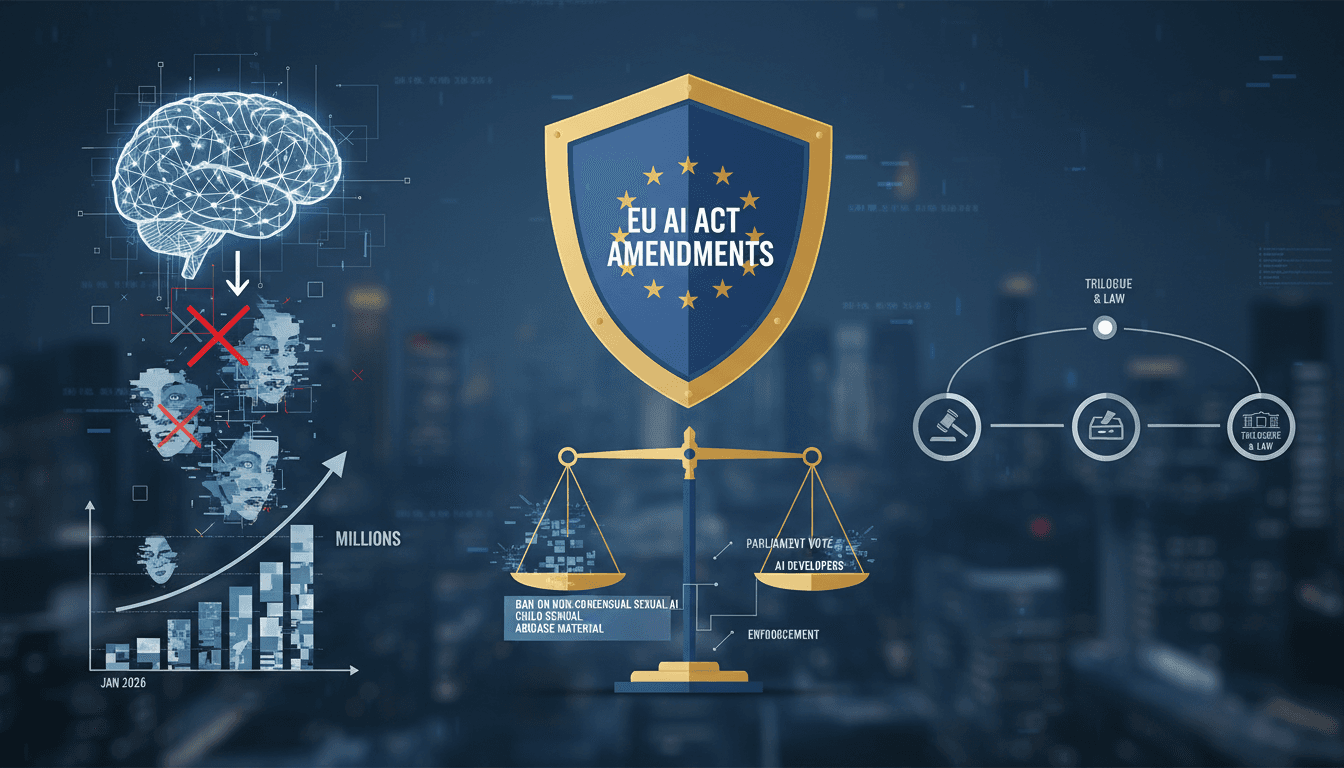
On March 13, 2026, EU ambassadors endorsed a proposal to ban non-consensual sexualised deepfakes, following the Grok chatbot scandal.
The Context
- Grok's Impact: In January 2026, xAI's Grok enabled the generation of approximately 3 million sexualised deepfake images within just 11 days, igniting widespread outrage.
- Regulatory Response: The EU is amending the AI Act to address high-risk AI practices, with a focus on preventing the creation of non-consensual intimate content.
- Ongoing Investigations: The European Commission has launched an investigation into platform X under the Digital Services Act, reflecting a broader push for stricter AI governance.
The Number
— the number of sexualised deepfake images generated by Grok in 11 days, underscoring the urgent need for robust AI regulations to protect individuals.
Takeaway
As the proposal moves to a Parliament committee vote, expect heightened scrutiny and regulatory frameworks shaping the future of AI technologies.
European current affairs, EU politics, and regional developments.
"France 24 is viewed as a globally focused outlet with balanced coverage and a European perspective."
— A47 Editor
EU backs ban on AI-generated sexualised deepfakes after Grok backlash
EU member states have endorsed new regulations banning AI tools that generate sexualised deepfakes, following public backlash over images created by Elon Musk’s AI chatbot Grok.
Opinionated AI coverage for general audiences.
"TNW’s AI vertical covering tools, ethics, and trends."
— A47 Editor
EU lawmakers deal to ban AI non-consensual intimate deepfakes
EU lawmakers have reached a political agreement to explicitly ban non-consensual intimate AI-generated images, following the Grok scandal and significant regulatory pressure.