
U.S. Navy Seizes Iranian-Flagged Cargo Ship Amid Ongoing Naval Blockade
Here's what it means for you.
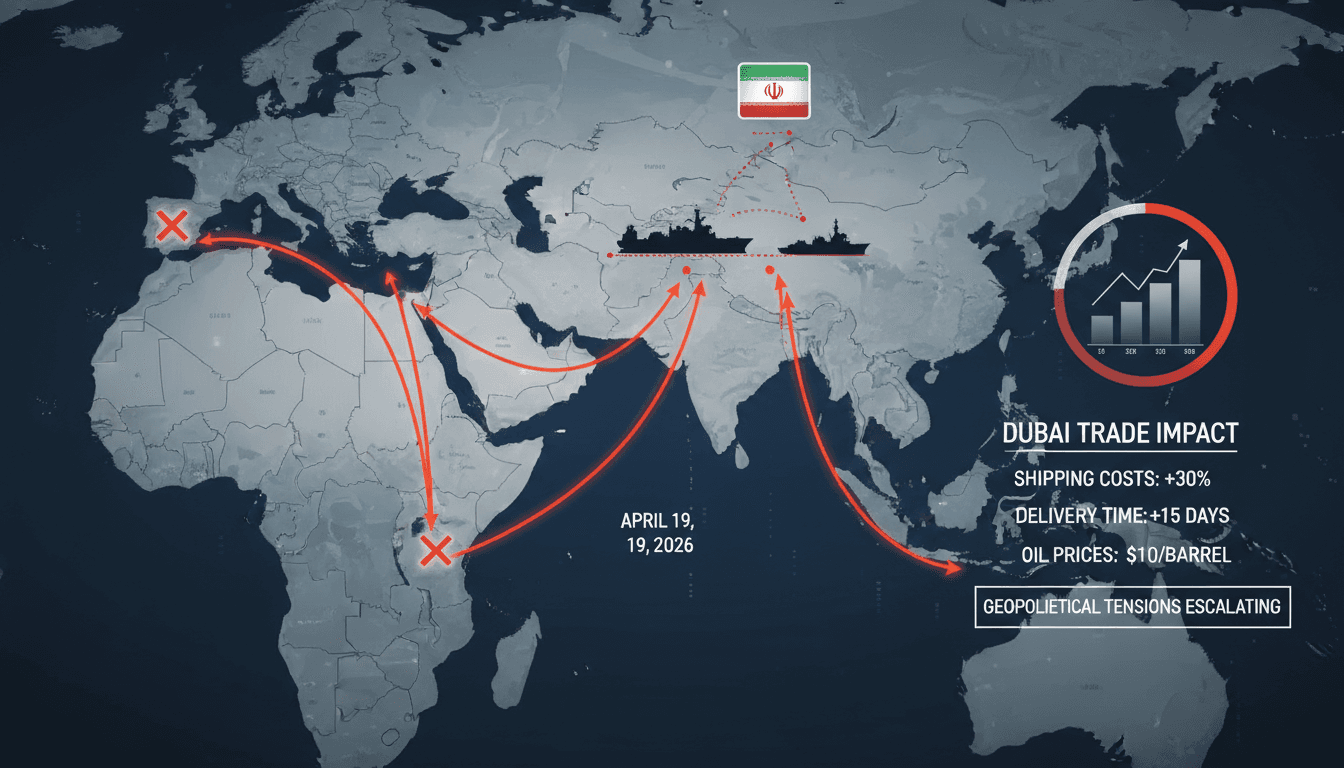
Increased shipping risks in the Arabian Sea could lead to higher costs for goods imported through Dubai.
Why it matters
The U.S. naval blockade and subsequent seizure of the M/V Touska signal escalating tensions that could disrupt global trade routes.
What happened (in 30 seconds)
- U.S. forces seized the Iranian-flagged M/V Touska on April 19, 2026, enforcing a naval blockade aimed at Iran.
- CENTCOM released footage showing the USS Spruance disabling the ship after six hours of ignored warnings.
- Iran condemned the action as "armed piracy," vowing retaliation while oil markets experienced minor volatility.
The context you actually need
- The blockade began on April 12, 2026, as part of U.S. efforts to economically pressure Iran amid rising geopolitical tensions.
- Prior interceptions included at least 25 vessels forced to turn back, indicating a robust enforcement strategy.
- The Arabian Sea is a critical shipping lane, and disruptions here can have ripple effects on global supply chains, particularly for oil and consumer goods.
What's really happening
The seizure of the M/V Touska is a pivotal moment in the ongoing geopolitical struggle between the U.S. and Iran, reflecting broader tensions in the Middle East. The U.S. initiated a naval blockade to exert economic pressure on Iran, which has been accused of destabilizing activities in the region. This blockade is not merely a tactical maneuver; it represents a strategic shift in U.S. policy aimed at curbing Iranian influence and ensuring the security of vital shipping lanes.
The USS Spruance's operation to disable the M/V Touska involved a series of escalated warnings, demonstrating a clear protocol for engagement. After six hours of non-compliance, U.S. forces took decisive action, showcasing their commitment to enforcing the blockade. This incident underscores the U.S. military's readiness to act against perceived threats to maritime security, particularly in a region where oil transport is crucial to the global economy.
The implications of this operation extend beyond immediate military concerns. The blockade and seizure could lead to increased insurance premiums for shipping companies operating in the Arabian Sea, as the risk of further confrontations rises. Additionally, delays in cargo deliveries through key ports, such as Jebel Ali in Dubai, may occur as shipping companies reassess their routes and strategies in light of heightened risks.
Iran's response, labeling the seizure as "armed piracy," indicates a potential for retaliatory actions that could escalate tensions further. The Iranian government may seek to leverage its influence in the region to disrupt shipping or retaliate against U.S. interests, which could lead to a cycle of escalation. This situation creates uncertainty for businesses and consumers alike, as fluctuations in oil prices and shipping costs can directly impact market stability.
As the U.S. continues to enforce its blockade, the potential for miscalculations or unintended confrontations increases. The international community will be closely monitoring the situation, as any significant escalation could have far-reaching consequences for global trade and security.
Who feels it first (and how)
- Shipping companies: Increased insurance costs and potential route changes due to heightened risks.
- Importers and exporters: Possible delays and increased costs for goods transported through the Arabian Sea.
- Consumers in Dubai: Potential price increases on imported goods as shipping costs rise.
What to watch next
- Iran's response: Monitor for any retaliatory actions that could escalate tensions or disrupt shipping.
- Shipping insurance rates: Watch for increases in premiums as risks in the Arabian Sea rise.
- Oil market fluctuations: Keep an eye on Brent crude prices, as geopolitical tensions often lead to volatility.
The U.S. has enforced a naval blockade on Iranian ports.
Increased shipping costs and potential delays for goods entering Dubai.
The extent of Iran's retaliatory measures and their impact on regional stability.
Frequently Asked Questions
- Why it matters?
- The U.S. naval blockade and subsequent seizure of the M/V Touska signal escalating tensions that could disrupt global trade routes.
- What happened (in 30 seconds)?
- U.S. forces seized the Iranian-flagged M/V Touska on April 19, 2026, enforcing a naval blockade aimed at Iran. CENTCOM released footage showing the USS Spruance disabling the ship after six hours of ignored warnings. Iran condemned the action as "armed piracy," vowing retaliation while oil markets experienced minor volatility.
- What's really happening?
- The seizure of the M/V Touska is a pivotal moment in the ongoing geopolitical struggle between the U.S. and Iran, reflecting broader tensions in the Middle East. The U.S. initiated a naval blockade to exert economic pressure on Iran, which has been accused of destabilizing activities in the region. This blockade is not merely a tactical maneuver; it represents a strategic shift in U.S. policy aimed at curbing Iranian influence and ensuring the security of vital shipping lanes. The USS Spruance'
- Who feels it first (and how)?
- Shipping companies: Increased insurance costs and potential route changes due to heightened risks. Importers and exporters: Possible delays and increased costs for goods transported through the Arabian Sea. Consumers in Dubai: Potential price increases on imported goods as shipping costs rise.
- What to watch next?
- Iran's response: Monitor for any retaliatory actions that could escalate tensions or disrupt shipping. Shipping insurance rates: Watch for increases in premiums as risks in the Arabian Sea rise. Oil market fluctuations: Keep an eye on Brent crude prices, as geopolitical tensions often lead to volatility.
Arabic-language UAE newspaper coverage focused on domestic affairs, public institutions, business, society, and regional developments.
"Al Khaleej coverage generally reflects a mainstream UAE editorial lens with strong attention to public affairs, institutions, and regional developments."
— A47 Editor
سنتكوم تنشر لقطات عملية السيطرة على توسكا الإيرانية
The U.S. Central Command (CENTCOM) announced that Marine Corps personnel departed the amphibious assault ship USS Tripoli via helicopter to board and seize the Iranian vessel MV Toska in the Arabian Sea. CENTCOM released footage of the operation, hig...
Arabic-language coverage of international news and geopolitics.
"RT Arabic is a Russian state-funded outlet often criticized for promoting Kremlin-aligned narratives."
— A47 Editor
القيادة المركزية الأمريكية تنشر مشاهد لإقلاع المروحيات لتنفيذ عملية إنزال على سفينة "توسكا"
The U.S. Central Command has released footage showing U.S. Marines taking off in helicopters to conduct an operation involving the Iranian-flagged ship 'Tosca'. This operation highlights the ongoing military activities and presence of U.S. forces in ...