
U.S. PCE Inflation Rises 0.4% Amid Escalating Iran Conflict
Here's what it means for you.
Rising inflation and geopolitical tensions could impact your cost of living and investment strategies.
Why it matters
Persistent inflation in the U.S. is a critical indicator of economic stability, influencing global markets and consumer behavior.
What happened (in 30 seconds)
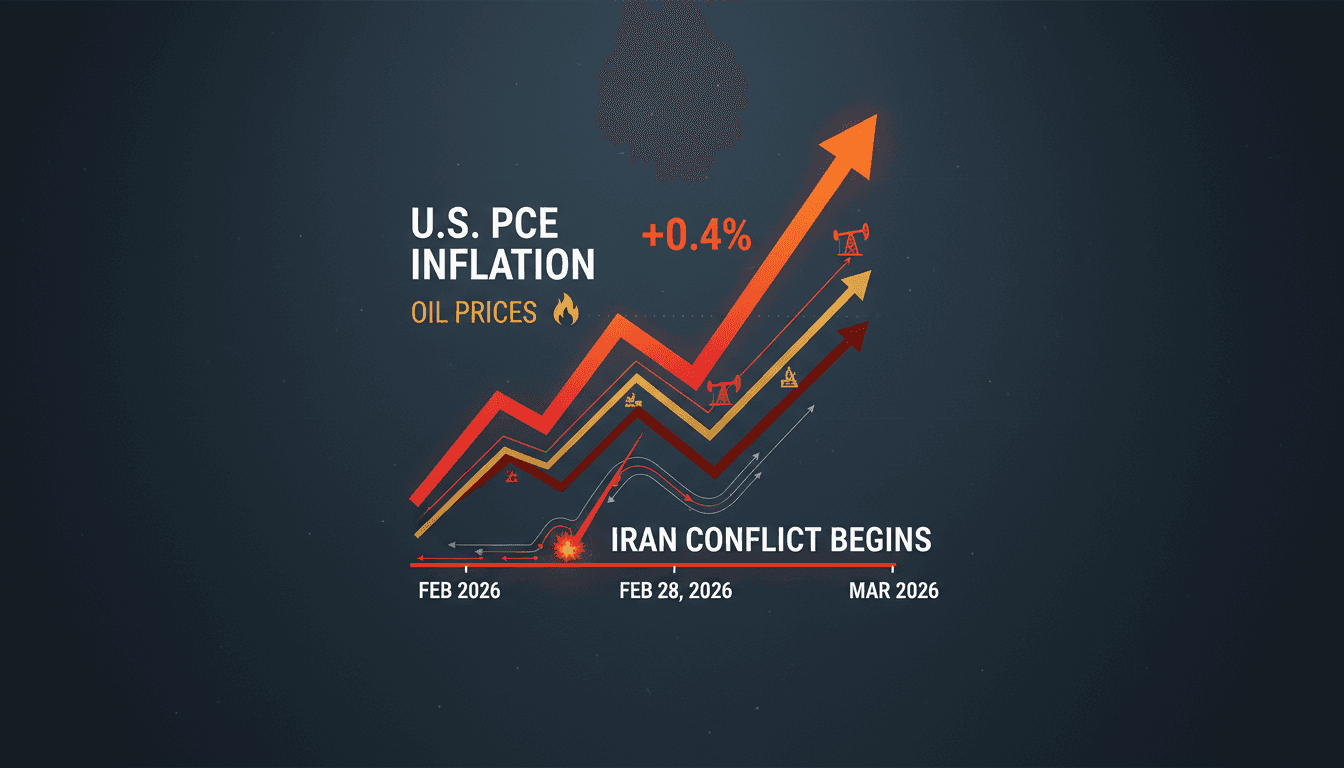
- U.S. inflation rose: February 2026 saw a 0.4% monthly increase in the personal consumption expenditures (PCE) price index, up from 0.3% in January.
- Iran War began: On February 28, 2026, U.S. and Israeli forces launched airstrikes on Iran, escalating military conflict in the region.
- Economic fallout: The conflict has led to rising oil prices and increased inflationary pressures, with Brent crude exceeding $120 per barrel.
The context you actually need
- Inflation trends: U.S. inflation has remained above the Federal Reserve's 2% target for five years, with core PCE hovering around 3% entering 2026.
- Geopolitical tensions: Prior conflicts, including the June 2025 Twelve-Day War between Israel and Iran, have set the stage for the current escalation.
- Market reactions: The Federal Reserve anticipates that war-induced oil price spikes will further elevate inflation and delay potential interest rate cuts.
What's really happening
The recent data from the U.S. Bureau of Economic Analysis reveals a persistent inflation trend, with the PCE price index reflecting a 0.4% increase in February 2026. This uptick marks a continuation of inflationary pressures that have plagued the U.S. economy since the post-pandemic recovery phase. The core PCE, which excludes volatile food and energy prices, also registered a 0.4% increase, maintaining an annual rate of 3%. This indicates that inflation is not only stubborn but also broad-based, affecting various sectors of the economy.
The backdrop to this inflationary environment is a series of geopolitical tensions, notably the military conflict between the U.S. and Iran. Following a series of proxy conflicts and Iran's advancements in nuclear capabilities, the situation escalated dramatically with the launch of Operation Epic Fury on February 27, 2026. This operation targeted key Iranian military infrastructure, leading to a swift retaliation from Iran, which included missile strikes on Israel and Gulf states.
The conflict has significant implications for global oil markets, particularly as disruptions in the Strait of Hormuz have begun. This vital shipping route is crucial for oil transportation, and any interruptions can lead to spikes in oil prices. Following the onset of hostilities, Brent crude oil prices surged past $120 per barrel, exacerbating inflationary pressures not just in the U.S. but globally. The Federal Reserve's minutes from March indicate that officials are bracing for these war-induced spikes to prolong inflation, complicating monetary policy decisions.
Moreover, the economic fallout is not limited to the U.S. The Gulf states, including the UAE and Saudi Arabia, have reported increased military readiness and have declared force majeure on oil refineries, further constraining supply. As the conflict continues, the potential for further escalation remains high, with ongoing skirmishes reported even after a fragile ceasefire was negotiated.
Who feels it first (and how)
- Consumers: Rising prices for goods and services, particularly in energy and food sectors.
- Investors: Increased market volatility and potential shifts in investment strategies due to geopolitical risks.
- Businesses: Higher operational costs and supply chain disruptions affecting profitability.
- Middle-income households: Greater strain on budgets as inflation outpaces wage growth.
What to watch next
- Oil prices: Monitor Brent crude prices as they are likely to remain volatile due to ongoing conflict and supply disruptions.
- Federal Reserve actions: Watch for signals from the Fed regarding interest rate adjustments in response to inflation and economic conditions.
- Geopolitical developments: Stay informed on ceasefire negotiations and military actions in the Middle East, as these will directly impact global markets.
Inflation is currently above the Federal Reserve's target, with ongoing price pressures.
Continued volatility in oil prices and potential delays in interest rate cuts by the Federal Reserve.
The long-term impact of the Iran War on global supply chains and economic stability.
Frequently Asked Questions
- Why it matters?
- Persistent inflation in the U.S. is a critical indicator of economic stability, influencing global markets and consumer behavior.
- What happened (in 30 seconds)?
- U.S. inflation rose: February 2026 saw a 0.4% monthly increase in the personal consumption expenditures (PCE) price index, up from 0.3% in January. Iran War began: On February 28, 2026, U.S. and Israeli forces launched airstrikes on Iran, escalating military conflict in the region. Economic fallout: The conflict has led to rising oil prices and increased inflationary pressures, with Brent crude exceeding $120 per barrel.
- What's really happening?
- The recent data from the U.S. Bureau of Economic Analysis reveals a persistent inflation trend, with the PCE price index reflecting a 0.4% increase in February 2026. This uptick marks a continuation of inflationary pressures that have plagued the U.S. economy since the post-pandemic recovery phase. The core PCE, which excludes volatile food and energy prices, also registered a 0.4% increase, maintaining an annual rate of 3%. This indicates that inflation is not only stubborn but also broad-based
- Who feels it first (and how)?
- Consumers: Rising prices for goods and services, particularly in energy and food sectors. Investors: Increased market volatility and potential shifts in investment strategies due to geopolitical risks. Businesses: Higher operational costs and supply chain disruptions affecting profitability. Middle-income households: Greater strain on budgets as inflation outpaces wage growth.
- What to watch next?
- Oil prices: Monitor Brent crude prices as they are likely to remain volatile due to ongoing conflict and supply disruptions. Federal Reserve actions: Watch for signals from the Fed regarding interest rate adjustments in response to inflation and economic conditions. Geopolitical developments: Stay informed on ceasefire negotiations and military actions in the Middle East, as these will directly impact global markets.
Social/economic commentary and analysis relevant to business and markets.
"WSJ blends data-driven economic insight with commentary on policy and society."
— A47 Editor
Fed’s Preferred Inflation Metric Was Stubborn Before Iran War
The Federal Reserve's preferred inflation metric showed persistent price increases in February, indicating that inflation was already a concern before the onset of the Iran war. This trend suggests that inflationary pressures were building, complicat...
Business, investment, entrepreneurship, leadership, and innovation.
"Forbes is known for its coverage of business leaders, market trends, and entrepreneurial ventures with a pro-business editorial stance."
— A47 Editor
Key Inflation Gauge Improved Ahead Of Iran War—But Incomes Fell
The Federal Reserve is closely monitoring the economic implications of the ongoing conflict in the Middle East, particularly the war in Iran, as recent reports indicate an improvement in key inflation gauges despite a decline in incomes.