
Israeli and Iranian military actions disrupt Middle East oil supplies and elevate global gas prices
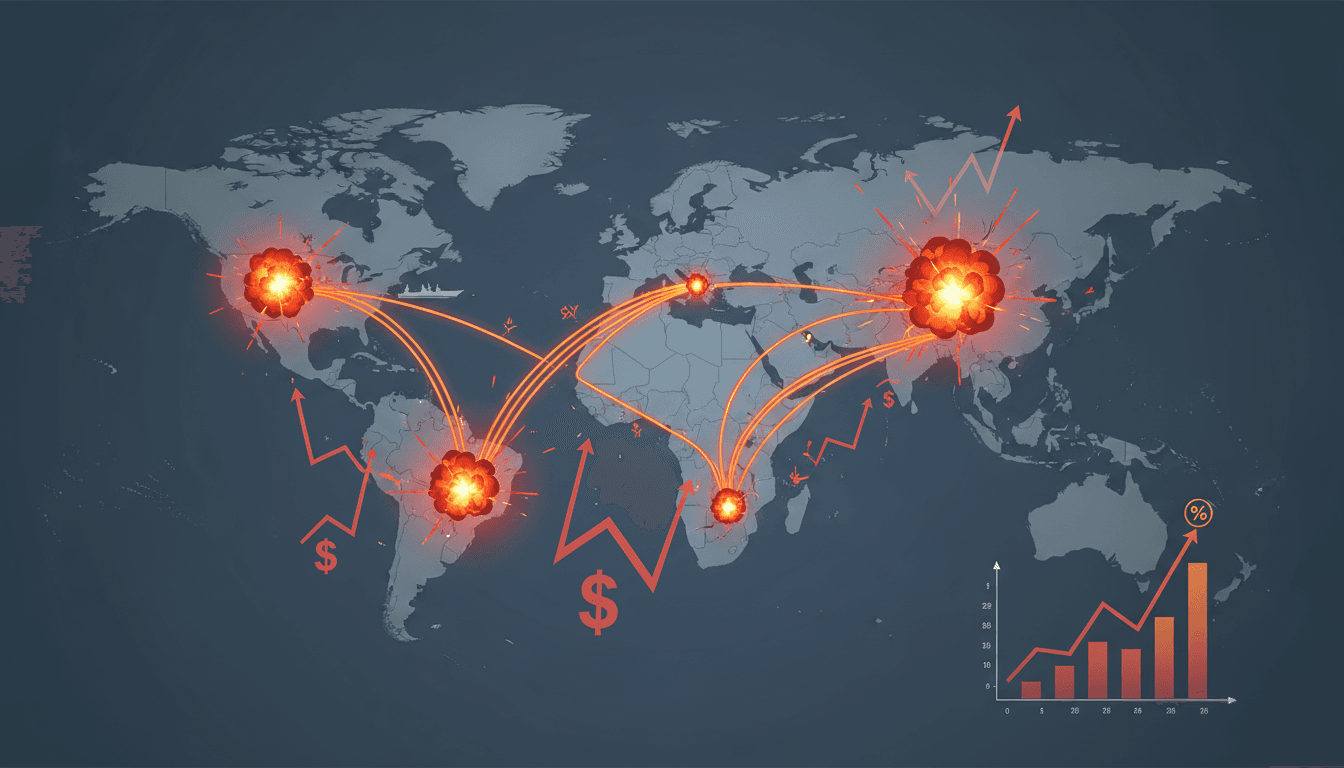
Here's what it means for you.
Rising gas prices and supply chain disruptions are likely to impact your commuting costs and overall economic stability.
Why it matters
The escalation of conflict in the Persian Gulf directly threatens global oil supplies, influencing prices and economic conditions worldwide.
What happened (in 30 seconds)
- March 18, 2026: Israeli airstrikes target Iran's South Pars gasfield, disrupting one of the world's largest natural gas reserves.
- March 19, 2026: Iran retaliates with missile strikes on Qatari and Saudi energy facilities, further escalating tensions.
- March 20, 2026: U.S. gasoline prices surge to $3.88 per gallon, reflecting a 30% increase since the onset of hostilities.
The context you actually need
- Late February 2026: Initial U.S. and Israeli strikes on Iranian military targets mark the beginning of open conflict amid nuclear activity disputes.
- Early March 2026: Iran responds with attacks on Saudi and Qatari energy infrastructure, raising fears of supply disruptions in the Strait of Hormuz.
- March 2026: Ongoing military actions lead to significant damage to energy facilities, pushing global oil prices above $110 per barrel.
What's really happening
The recent airstrikes and missile attacks in the Persian Gulf are a culmination of escalating tensions rooted in geopolitical disputes over Iran's nuclear ambitions and its support for proxy militias in the region. The conflict began in late February 2026 when U.S. and Israeli forces launched targeted strikes against Iranian military installations. This preemptive action was intended to curb Iran's military capabilities but instead triggered a series of retaliatory strikes from Iran, which targeted critical energy infrastructure in Saudi Arabia and Qatar, vital for global oil supplies.
The South Pars gasfield, targeted by Israel, is not only a key asset for Iran but also a significant player in the global energy market. The destruction of such facilities raises immediate concerns about supply shortages, particularly as the Strait of Hormuz—a critical chokepoint for oil transport—faces increased military activity and threats. As a result, oil prices surged, with benchmarks exceeding $110 per barrel, while U.S. gasoline prices reached an average of $3.88 per gallon, marking a 30% increase since the conflict began.
The implications of these events extend beyond immediate price hikes. Countries reliant on oil imports, particularly in Europe and Asia, are likely to experience inflationary pressures as energy costs rise. Additionally, the conflict has prompted the U.S. to deploy 2,200 Marines to secure navigation through the Strait of Hormuz, indicating a commitment to maintaining open trade routes despite the volatility. This military presence underscores the strategic importance of the region and the lengths to which the U.S. will go to protect its interests and those of its allies.
As the situation evolves, the interconnectedness of global energy markets means that disruptions in the Gulf will reverberate worldwide, affecting everything from transportation costs to consumer prices. The ongoing conflict not only threatens regional stability but also poses risks to global economic growth, as higher energy prices can dampen consumer spending and investment.
Who feels it first (and how)
- Consumers: Higher gasoline prices directly impact daily commuting and travel costs.
- Businesses: Companies reliant on oil and gas may face increased operational costs, affecting pricing strategies.
- Investors: Market volatility could lead to declines in major indices, impacting investment portfolios.
- Governments: Increased energy prices may prompt economic policy adjustments and public dissatisfaction.
What to watch next
- Military Developments: Monitor U.S. and allied military movements in the Persian Gulf, as increased presence may stabilize or further escalate tensions.
- Oil Price Trends: Keep an eye on global oil prices; sustained increases could lead to broader economic impacts and inflationary pressures.
- Diplomatic Efforts: Watch for any diplomatic initiatives aimed at de-escalating the conflict, as successful negotiations could stabilize markets.
Global oil prices have surged above $110 per barrel due to the conflict.
Continued military actions will further disrupt energy supplies and elevate prices.
The long-term geopolitical implications of this conflict remain uncertain, particularly regarding U.S.-Iran relations.
Frequently Asked Questions
- Why it matters?
- The escalation of conflict in the Persian Gulf directly threatens global oil supplies, influencing prices and economic conditions worldwide.
- What happened (in 30 seconds)?
- March 18, 2026: Israeli airstrikes target Iran's South Pars gasfield, disrupting one of the world's largest natural gas reserves. March 19, 2026: Iran retaliates with missile strikes on Qatari and Saudi energy facilities, further escalating tensions. March 20, 2026: U.S. gasoline prices surge to $3.88 per gallon, reflecting a 30% increase since the onset of hostilities.
- What's really happening?
- The recent airstrikes and missile attacks in the Persian Gulf are a culmination of escalating tensions rooted in geopolitical disputes over Iran's nuclear ambitions and its support for proxy militias in the region. The conflict began in late February 2026 when U.S. and Israeli forces launched targeted strikes against Iranian military installations. This preemptive action was intended to curb Iran's military capabilities but instead triggered a series of retaliatory strikes from Iran, which targe
- Who feels it first (and how)?
- Consumers: Higher gasoline prices directly impact daily commuting and travel costs. Businesses: Companies reliant on oil and gas may face increased operational costs, affecting pricing strategies. Investors: Market volatility could lead to declines in major indices, impacting investment portfolios. Governments: Increased energy prices may prompt economic policy adjustments and public dissatisfaction.
- What to watch next?
- Military Developments: Monitor U.S. and allied military movements in the Persian Gulf, as increased presence may stabilize or further escalate tensions. Oil Price Trends: Keep an eye on global oil prices; sustained increases could lead to broader economic impacts and inflationary pressures. Diplomatic Efforts: Watch for any diplomatic initiatives aimed at de-escalating the conflict, as successful negotiations could stabilize markets.
Focused political reporting and governmental affairs.
"NBC News is a mainstream media outlet known for comprehensive national and international news coverage with a centrist to slightly left-leaning editorial tone."
— A47 Editor
Attacks on Middle East Oil Fields Send Gas Prices Soaring
Iran's oil fields continue to burn following an Israeli attack, prompting Iran to retaliate against oil facilities, which has led to soaring gas prices in the U.S. The United States is deploying at least 2,200 marines to the Middle East to secure the...
International stories from NPR’s global desk.
"NPR is an American public media organization known for thoughtful reporting and a slightly left-leaning editorial tone."
— A47 Editor
Global oil and energy prices are reeling as the war in the Middle East escalates
The ongoing conflict between Israel and Iran has escalated significantly, with Israel conducting airstrikes on Iran's South Pars gas field, the world's largest natural gas field. This military action has prompted Iran to retaliate with missile strike...
Global markets, investing, and macroeconomics from a premier financial newsroom.
"Bloomberg is respected for in-depth financial reporting and data-driven analysis."
— A47 Editor
Israel Will Not Strike Iranian Energy Sites After Trump Rebuke
Israel has announced it will cease targeting Iranian energy infrastructure following a recent attack on an Iranian gas field, which led to retaliatory strikes across the Middle East and a surge in oil and gas prices. This decision comes after Preside...