
UK Hosts Virtual Summit of 40 Nations to Demand Reopening of Strait of Hormuz
Here's what it means for you.
If you rely on global shipping or energy markets, the ongoing blockade of the Strait of Hormuz could lead to increased costs and supply chain disruptions.
Why it matters
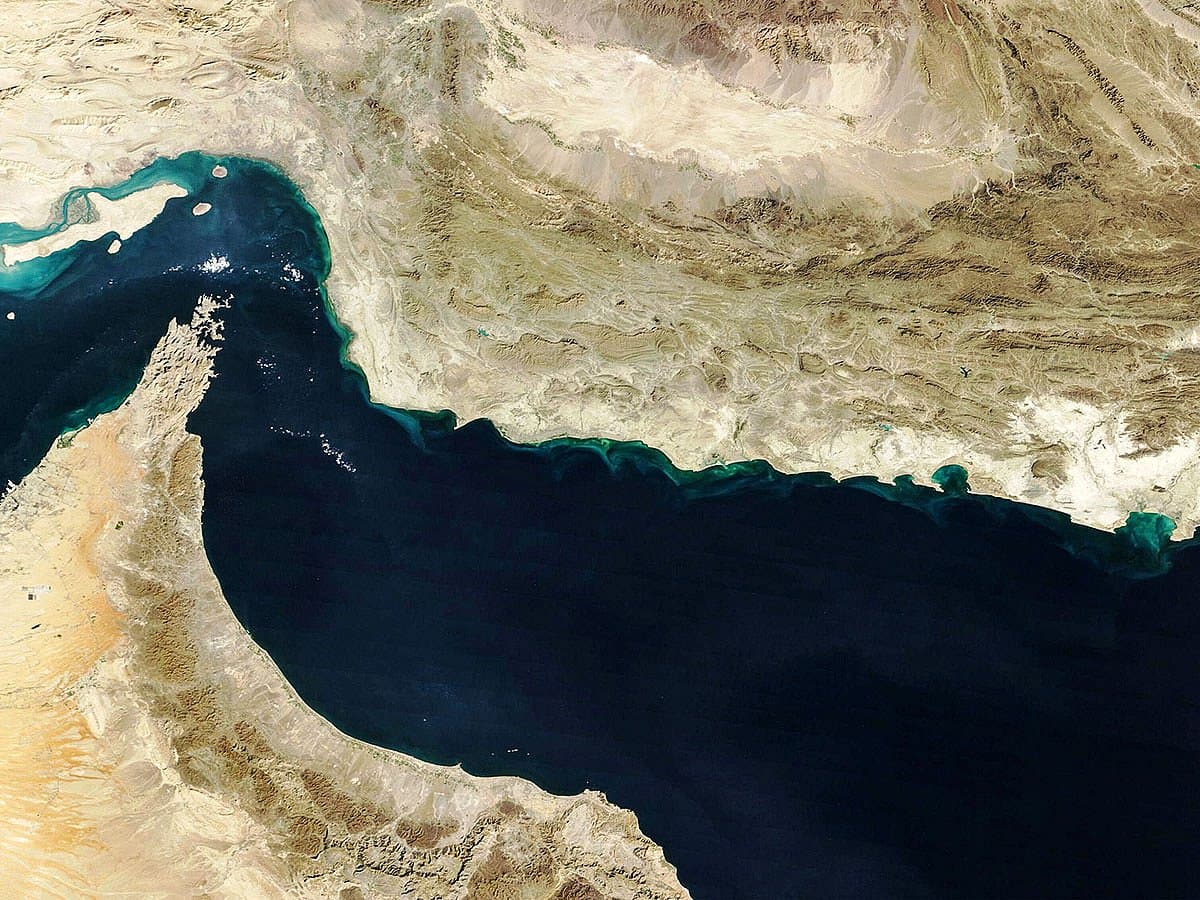
The Strait of Hormuz is a critical chokepoint for global oil and gas supplies, affecting energy prices and economic stability worldwide.
What happened (in 30 seconds)
- On April 2, 2026, UK Foreign Secretary Yvette Cooper hosted a virtual summit with foreign ministers from around 40 countries to demand the reopening of the Strait of Hormuz.
- Iran's blockade, initiated in response to US-Israeli airstrikes, has severely disrupted shipping, causing oil prices to surge and threatening food security.
- Military and diplomatic strategies are being discussed to secure safe passage through the strait, which handles approximately 20% of global seaborne oil trade.
The context you actually need
- The Strait of Hormuz is vital for global energy, with about 20 million barrels of oil passing through daily, representing 20% of the world's seaborne oil trade.
- The blockade began after the US-Israel airstrikes on Iran on February 28, 2026, which killed Iran's Supreme Leader and escalated tensions in the region.
- Rising energy prices have already led to Brent crude oil peaking at $166 per barrel, impacting global markets and increasing costs for consumers.
What's really happening
The recent virtual summit organized by the UK marks a significant escalation in the international response to Iran's blockade of the Strait of Hormuz. This blockade, initiated in late February 2026 following the US-Israel airstrikes on Iran, has led to a dramatic decrease in maritime traffic—down by 70%—and has raised alarms about global energy security. The Strait of Hormuz is not just a regional concern; it is a pivotal artery for global oil and gas supplies, with around 20% of the world's oil passing through it daily.
As the blockade continues, countries are feeling the pinch. Oil prices have surged, with Brent crude reaching over $166 per barrel, leading to increased production cuts by Gulf states and a ripple effect on global supply chains. Fertilizer shortages are also emerging, threatening food security as urea prices have surged by 50%. The UK-led summit aimed to unify international efforts against Iran's actions, emphasizing the need for immediate reopening of the strait without conditions.
The discussions at the summit included military coordination and economic sanctions, indicating a multifaceted approach to the crisis. The UK and its allies are considering military options to ensure safe passage through the strait, while also advocating for economic measures against Iran. The situation remains fluid, with sporadic attacks on vessels and ongoing discussions at the UN Security Council.
Iran's response has been dismissive of Western demands, allowing limited passage for select nations and humanitarian aid while maintaining its blockade against US allies. This geopolitical tension is likely to escalate further, as the US has threatened infrastructure strikes if the blockade is not lifted. The implications for global markets are significant, as volatility in oil prices is expected to continue, affecting everything from transportation costs to consumer prices.
In summary, the blockade of the Strait of Hormuz is not just a regional issue; it has far-reaching consequences for global energy markets, food security, and international relations. The UK summit is a critical step in rallying international support to address this crisis, but the path forward remains fraught with challenges.
Who feels it first (and how)
- Energy companies: Increased operational costs and supply chain disruptions will impact profitability.
- Consumers: Higher fuel prices will lead to increased costs for goods and services.
- Agricultural sectors: Fertilizer shortages will affect crop yields and food prices.
- Shipping industries: Disruptions in maritime traffic will lead to delays and increased shipping costs.
- Governments: Economic instability may prompt political pressure and policy changes.
What to watch next
- Military developments: Watch for any military actions taken by the UK or its allies to secure the Strait of Hormuz, as this could escalate tensions further.
- Oil price fluctuations: Monitor Brent crude prices for signs of volatility, which could indicate market reactions to ongoing geopolitical developments.
- Diplomatic negotiations: Keep an eye on UN Security Council discussions and any new sanctions or agreements that may emerge from the summit's outcomes.
The Strait of Hormuz is critical for global oil supply, with 20% of seaborne oil trade passing through it.
Continued military and economic pressure from the UK and allied nations to reopen the strait.
The long-term impact on global energy prices and food security as the situation evolves.
Frequently Asked Questions
- Why it matters?
- The Strait of Hormuz is a critical chokepoint for global oil and gas supplies, affecting energy prices and economic stability worldwide.
- What happened (in 30 seconds)?
- On April 2, 2026, UK Foreign Secretary Yvette Cooper hosted a virtual summit with foreign ministers from around 40 countries to demand the reopening of the Strait of Hormuz. Iran's blockade, initiated in response to US-Israeli airstrikes, has severely disrupted shipping, causing oil prices to surge and threatening food security. Military and diplomatic strategies are being discussed to secure safe passage through the strait, which handles approximately 20% of global seaborne oil trade.
- What's really happening?
- The recent virtual summit organized by the UK marks a significant escalation in the international response to Iran's blockade of the Strait of Hormuz. This blockade, initiated in late February 2026 following the US-Israel airstrikes on Iran, has led to a dramatic decrease in maritime traffic—down by 70%—and has raised alarms about global energy security. The Strait of Hormuz is not just a regional concern; it is a pivotal artery for global oil and gas supplies, with around 20% of the world's oil
- Who feels it first (and how)?
- Energy companies: Increased operational costs and supply chain disruptions will impact profitability. Consumers: Higher fuel prices will lead to increased costs for goods and services. Agricultural sectors: Fertilizer shortages will affect crop yields and food prices. Shipping industries: Disruptions in maritime traffic will lead to delays and increased shipping costs. Governments: Economic instability may prompt political pressure and policy changes.
- What to watch next?
- Military developments: Watch for any military actions taken by the UK or its allies to secure the Strait of Hormuz, as this could escalate tensions further. Oil price fluctuations: Monitor Brent crude prices for signs of volatility, which could indicate market reactions to ongoing geopolitical developments. Diplomatic negotiations: Keep an eye on UN Security Council discussions and any new sanctions or agreements that may emerge from the summit's outcomes.
UAE-based newspaper covering Gulf politics, society, and international developments.
"Gulf News is one of the UAE’s most prominent English-language publications."
— A47 Editor
UK convenes 40 countries to demand 'immediate and unconditional reopening' of Hormuz
The UK has convened a meeting with representatives from 40 countries to demand the immediate and unconditional reopening of the Strait of Hormuz, a critical maritime route for global oil transport, amid rising tensions with Iran. This initiative refl...
A curated Gulf News feed featuring major stories across news, business, opinion, and lifestyle.
"Gulf News is a major UAE newspaper whose featured stories feed reflects a broad editorial mix shaped for a Gulf audience."
— A47 Editor
UK convenes 40 countries to demand 'immediate and unconditional reopening' of Hormuz
The UK has convened a meeting with representatives from 40 countries to demand the immediate and unconditional reopening of the Strait of Hormuz, a critical maritime route for global oil transport, amid rising tensions with Iran. This initiative refl...
Regional coverage and analysis focused on politics, diplomacy, and business across the Middle East.
"Al-Monitor is known for analytical reporting on Middle East politics and policy developments."
— A47 Editor
UK-led Hormuz talks demand 'immediate' reopening of Hormuz
A UK-led meeting involving around 40 countries concluded with a call for the immediate and unconditional reopening of the Strait of Hormuz, a crucial maritime route for global trade, amid ongoing tensions with Iran. British Foreign Minister Yvette Co...
UAE-based English-language newspaper covering regional politics, economics, and global affairs.
"The National reflects Emirati policy perspectives while maintaining international editorial standards."
— A47 Editor
UK conference insists on free access to Strait of Hormuz
A recent UK conference emphasized the necessity of ensuring free access to the Strait of Hormuz, a vital maritime route for global oil transport, amid escalating tensions in the region. The meeting involved representatives from around 40 countries, h...