
International Maritime Organization Condemns Iran's Proposed Tolls on Strait of Hormuz
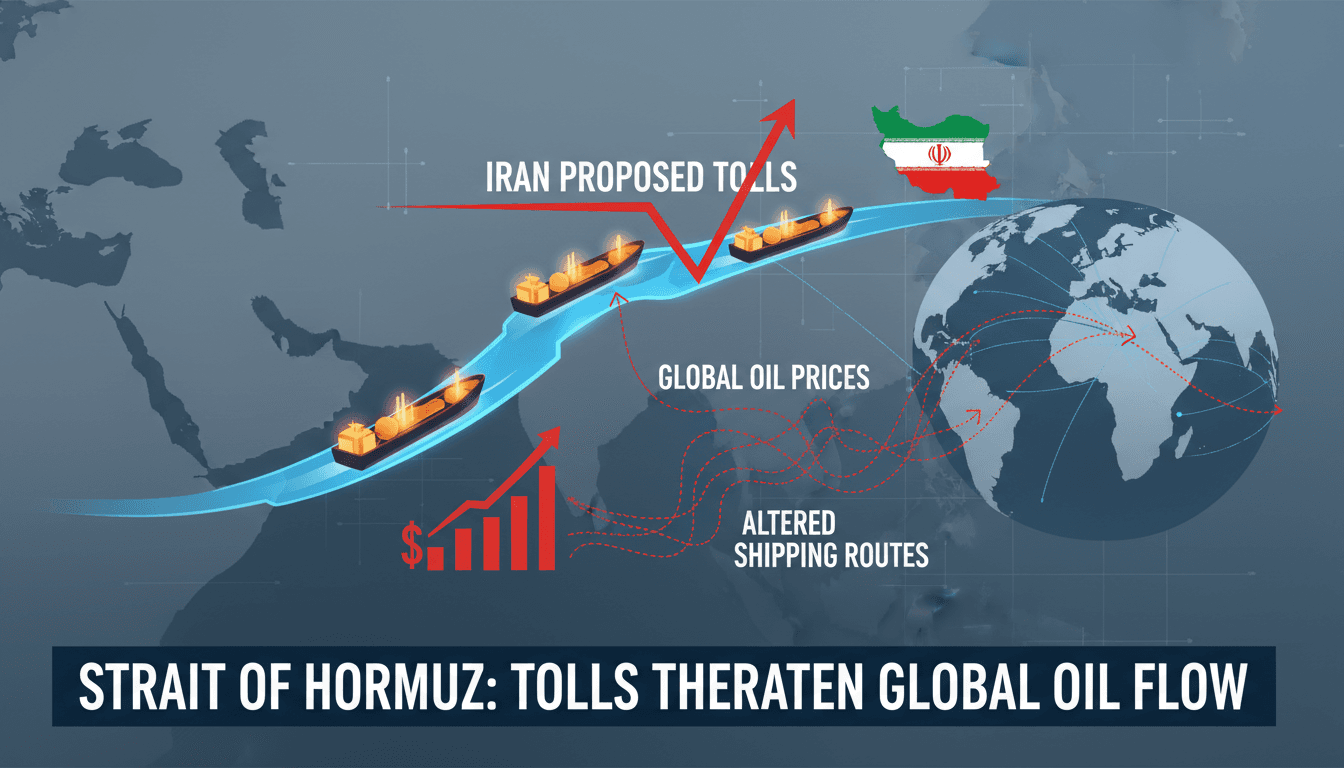
Here's what it means for you.
If you rely on global oil markets, the proposed tolls could significantly impact prices and shipping costs.
Why it matters
This situation threatens to disrupt a critical maritime route that facilitates 20% of the world's oil supply.
What happened (in 30 seconds)
- On April 9, 2026, the International Maritime Organization (IMO) warned that Iran's proposal to impose tolls on vessels in the Strait of Hormuz sets a dangerous precedent.
- Iran's toll proposal emerged during ceasefire negotiations following regional conflict, aiming to offset war damages.
- Global reactions include outright rejection from the EU and Oman, with rising oil prices nearing $100/barrel amid shipping backlogs.
The context you actually need
- The Strait of Hormuz is a vital chokepoint for global oil trade, with 21 million barrels transiting daily before the conflict.
- International maritime law, specifically UNCLOS Article 26, prohibits transit passage fees in international straits, raising legal concerns over Iran's proposal.
- Recent conflicts in the Middle East have already disrupted supply chains, leading to heightened scrutiny over any new tolls that could exacerbate the situation.
What's really happening
The Strait of Hormuz, a narrow waterway between Iran and Oman, is crucial for global energy security, facilitating the transit of approximately 20% of the world's oil supply. The recent conflict in the Middle East, particularly involving Iran, the United States, and Israel, led to the strait's temporary closure, stranding vessels and disrupting supply chains. As part of ceasefire negotiations, Iran proposed imposing tolls on vessels transiting this critical chokepoint to recover war damages, prompting a strong response from the International Maritime Organization (IMO).
On April 9, 2026, IMO Secretary-General Arsenio Dominguez publicly condemned the tolls as a "dangerous precedent," emphasizing that they lack international legitimacy and safety assurances. The IMO is actively coordinating with various states, including the United Kingdom, to develop demining and transit protocols aimed at restoring pre-conflict operations. The organization’s efforts reflect a commitment to uphold international maritime law and ensure safe passage through the strait.
Iranian state media has framed the toll imposition as a necessary condition for reopening the strait, but this stance has faced significant backlash. Oman has affirmed that no transit fees are permissible under international agreements, while the European Union and Greek Prime Minister Kyriakos Mitsotakis have also rejected the proposal. The U.S. has suggested an alternative approach, proposing U.S.-managed tolls, which further complicates the situation.
As tensions rise, oil prices have surged, nearing $100 per barrel, driven by a backlog of approximately 230 vessels waiting to transit the strait. This scenario not only threatens to destabilize oil markets but also raises questions about the future of international maritime law and the potential for other nations to follow Iran's lead in imposing similar tolls.
Who feels it first (and how)
- Shipping companies: Increased operational costs due to potential tolls and delays.
- Oil producers: Higher prices could impact profit margins and market dynamics.
- Consumers: Rising oil prices may lead to increased costs for goods and services.
- Middle Eastern nations: Regional stability could be threatened, affecting trade and security.
What to watch next
- International negotiations: Watch for developments in diplomatic talks aimed at resolving the toll issue, as they will influence market stability.
- Oil price fluctuations: Monitor oil prices for signs of volatility as the situation evolves, which could affect global economic conditions.
- Maritime law discussions: Pay attention to any changes or proposals regarding international maritime law that may arise from this situation.
The Strait of Hormuz is a critical route for global oil supply, handling 20% of seaborne oil trade.
Continued international opposition to Iran's toll proposal will persist, impacting diplomatic relations.
The long-term implications for international maritime law and potential precedents set by Iran's actions remain uncertain.
Frequently Asked Questions
- Why it matters?
- This situation threatens to disrupt a critical maritime route that facilitates 20% of the world's oil supply.
- What happened (in 30 seconds)?
- On April 9, 2026, the International Maritime Organization (IMO) warned that Iran's proposal to impose tolls on vessels in the Strait of Hormuz sets a dangerous precedent. Iran's toll proposal emerged during ceasefire negotiations following regional conflict, aiming to offset war damages. Global reactions include outright rejection from the EU and Oman, with rising oil prices nearing $100/barrel amid shipping backlogs.
- What's really happening?
- The Strait of Hormuz, a narrow waterway between Iran and Oman, is crucial for global energy security, facilitating the transit of approximately 20% of the world's oil supply. The recent conflict in the Middle East, particularly involving Iran, the United States, and Israel, led to the strait's temporary closure, stranding vessels and disrupting supply chains. As part of ceasefire negotiations, Iran proposed imposing tolls on vessels transiting this critical chokepoint to recover war damages, pro
- Who feels it first (and how)?
- Shipping companies: Increased operational costs due to potential tolls and delays. Oil producers: Higher prices could impact profit margins and market dynamics. Consumers: Rising oil prices may lead to increased costs for goods and services. Middle Eastern nations: Regional stability could be threatened, affecting trade and security.
- What to watch next?
- International negotiations: Watch for developments in diplomatic talks aimed at resolving the toll issue, as they will influence market stability. Oil price fluctuations: Monitor oil prices for signs of volatility as the situation evolves, which could affect global economic conditions. Maritime law discussions: Pay attention to any changes or proposals regarding international maritime law that may arise from this situation.
Arabic-language UAE newspaper coverage focused on domestic affairs, public institutions, business, society, and regional developments.
"Al Khaleej coverage generally reflects a mainstream UAE editorial lens with strong attention to public affairs, institutions, and regional developments."
— A47 Editor
منظمة بحرية دولية: فرض رسوم على عبور «هرمز» سيشكل «سابقة خطرة»
The International Maritime Organization stated that imposing fees on ships passing through the strategic Strait of Hormuz would set a dangerous precedent, urging nations not to obstruct freedom of navigation. This statement follows Iranian officials'...
Regional coverage and analysis focused on politics, diplomacy, and business across the Middle East.
"Al-Monitor is known for analytical reporting on Middle East politics and policy developments."
— A47 Editor
A toll for using Hormuz would be a 'dangerous precedent', UN's ship agency says
The UN's shipping agency has warned that imposing a toll on vessels passing through the Strait of Hormuz would set a dangerous precedent for international maritime law, emphasizing the importance of maintaining freedom of navigation. This statement f...