
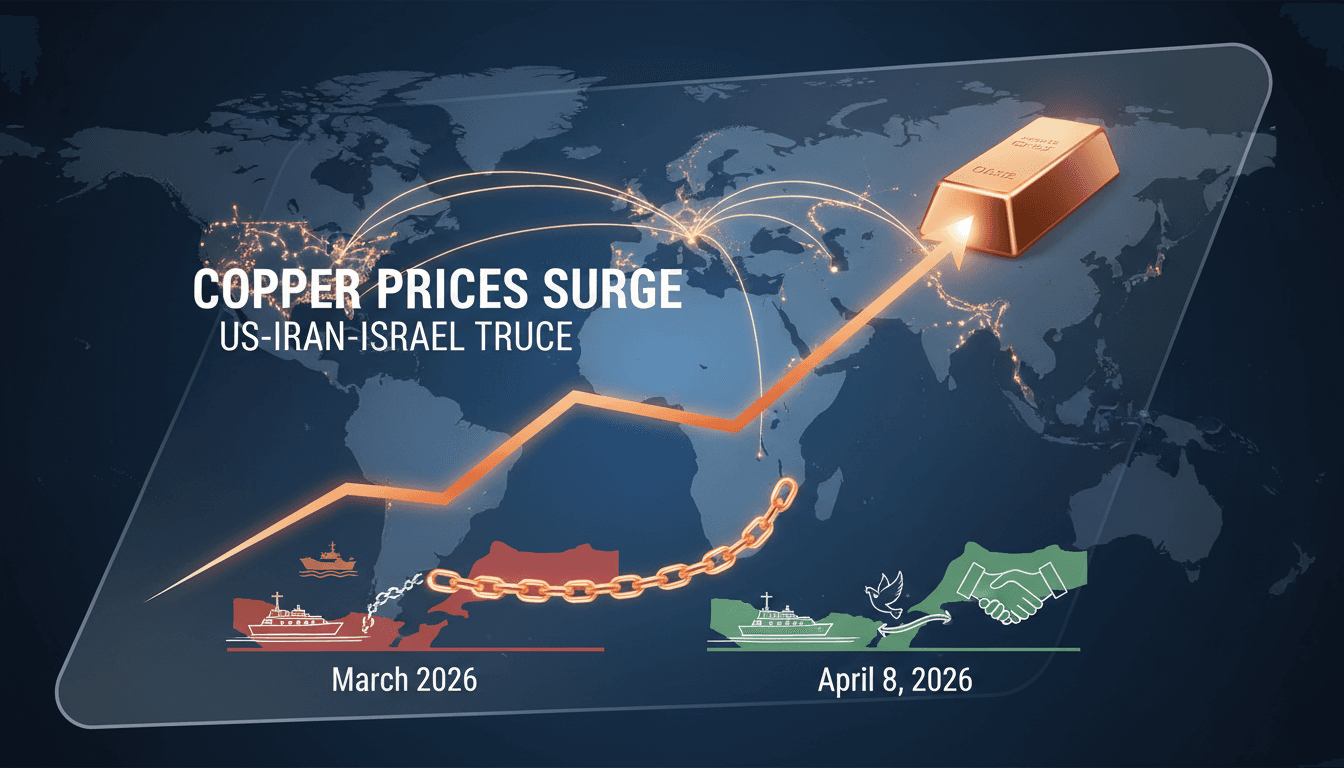
Copper Prices Surge Following US-Iran-Israel Truce in Strait of Hormuz
Here's what it means for you.
If you’re involved in commodities trading or energy sectors, the recent uptick in copper prices could impact your costs and investment strategies.
Why it matters
The truce in the Strait of Hormuz has alleviated significant supply chain fears, impacting global commodity prices and trade dynamics.
What happened (in 30 seconds)
- Copper prices rose to a three-week high of approximately $5.67 per pound on the London Metal Exchange, gaining 2.9% on April 8, 2026.
- A two-week ceasefire was brokered by Pakistan, allowing Iran to reopen the Strait of Hormuz, which had been closed since late February amid escalating tensions.
- Supply chain concerns eased, leading to a rally in base metals, including aluminum, as market sentiment improved.
The context you actually need
- The Strait of Hormuz is a critical maritime passage for global oil and gas shipments, making its accessibility vital for energy markets.
- The ongoing US-Iran war had previously led to significant disruptions, including attacks on merchant vessels and soaring energy prices, peaking at $144 per barrel for Brent crude.
- The truce's implications extend beyond copper; it signals potential shifts in geopolitical alliances and trade routes in the Gulf region.
What's really happening
The recent surge in copper prices is primarily driven by the reopening of the Strait of Hormuz following a two-week ceasefire between Iran, the United States, and Israel. This truce, brokered by Pakistan, is significant as it alleviates fears of supply disruptions that had plagued the market since the onset of the US-Iran conflict in late February 2026.
The conflict escalated rapidly after US and Israeli strikes on Iran, which prompted Iran to close the Strait, a vital artery for global trade. The closure led to a series of retaliatory actions by Iran, including attacks on merchant vessels, which heightened fears of a broader energy crisis. As a result, Brent crude prices soared, and the market for energy-intensive metals like copper and aluminum faced severe pressures due to increased shipping costs and supply vulnerabilities.
The truce announced on April 7, 2026, marked a pivotal moment in this crisis. By agreeing to a temporary reopening of the Strait, Iran has signaled a willingness to ease tensions, at least temporarily. This has led to an immediate positive response in the commodities market, with copper prices rising sharply as traders reacted to the reduced risk of supply chain disruptions. The 2.9% intraday gain on the London Metal Exchange is a clear indicator of this sentiment shift.
However, while the truce provides short-term relief, it does not resolve the underlying issues, particularly regarding Iran's nuclear ambitions and its regional influence. Analysts caution that while markets may experience a reprieve, the geopolitical landscape remains fraught with uncertainty. The UAE and other Gulf Cooperation Council (GCC) states are pushing for permanent guarantees regarding access to the Strait, reflecting ongoing distrust towards Iran.
In summary, the copper price rally is a direct response to the easing of immediate supply chain fears, but the long-term implications of the US-Iran conflict remain unresolved, and market participants should remain vigilant.
Who feels it first (and how)
- Commodity Traders: Immediate impacts on trading strategies and pricing models.
- Manufacturers of Metal Products: Changes in production costs due to fluctuating metal prices.
- Energy Sector Companies: Adjustments in operational costs and supply chain logistics.
- Consumers in the UAE: Potential changes in fuel prices and availability due to regional tensions.
What to watch next
- Iran's Compliance with the Truce: Monitoring whether Iran adheres to the ceasefire terms will be crucial in assessing future market stability.
- Geopolitical Developments: Watch for any shifts in US-Iran relations or further escalations that could impact trade routes and energy prices.
- Commodity Price Trends: Keep an eye on copper and aluminum prices for signs of sustained recovery or volatility as the situation evolves.
Copper prices have surged due to the truce, reaching a three-week high.
Continued fluctuations in commodity prices as geopolitical tensions evolve.
The long-term stability of the ceasefire and its impact on broader US-Iran relations.
Frequently Asked Questions
- Why it matters?
- The truce in the Strait of Hormuz has alleviated significant supply chain fears, impacting global commodity prices and trade dynamics.
- What happened (in 30 seconds)?
- Copper prices rose to a three-week high of approximately $5.67 per pound on the London Metal Exchange, gaining 2.9% on April 8, 2026. A two-week ceasefire was brokered by Pakistan, allowing Iran to reopen the Strait of Hormuz, which had been closed since late February amid escalating tensions. Supply chain concerns eased, leading to a rally in base metals, including aluminum, as market sentiment improved.
- What's really happening?
- The recent surge in copper prices is primarily driven by the reopening of the Strait of Hormuz following a two-week ceasefire between Iran, the United States, and Israel. This truce, brokered by Pakistan, is significant as it alleviates fears of supply disruptions that had plagued the market since the onset of the US-Iran conflict in late February 2026. The conflict escalated rapidly after US and Israeli strikes on Iran, which prompted Iran to close the Strait, a vital artery for global trade.
- Who feels it first (and how)?
- Commodity Traders: Immediate impacts on trading strategies and pricing models. Manufacturers of Metal Products: Changes in production costs due to fluctuating metal prices. Energy Sector Companies: Adjustments in operational costs and supply chain logistics. Consumers in the UAE: Potential changes in fuel prices and availability due to regional tensions.
- What to watch next?
- Iran's Compliance with the Truce: Monitoring whether Iran adheres to the ceasefire terms will be crucial in assessing future market stability. Geopolitical Developments: Watch for any shifts in US-Iran relations or further escalations that could impact trade routes and energy prices. Commodity Price Trends: Keep an eye on copper and aluminum prices for signs of sustained recovery or volatility as the situation evolves.
Oil, metals, and agriculture: supply/demand headlines, OPEC chatter, inventories, and price action.
"Solid tape for energy and metals traders tracking macro and micro catalysts."
— A47 Editor
Gold prices settle higher after U.S. and Iran agree to ceasefire
Gold prices have settled higher following the announcement of a two-week ceasefire agreement between the U.S. and Iran, aimed at reducing military tensions in the region. This development has led to a surge in gold and silver prices, with silver reac...
Global markets, investing, and macroeconomics from a premier financial newsroom.
"Bloomberg is respected for in-depth financial reporting and data-driven analysis."
— A47 Editor
Copper Hits Three-Week High as Iran Ceasefire Lifts Sentiment
Copper prices surged to a three-week high following the announcement of a temporary ceasefire between the US and Iran, which includes the reopening of the strategically important Strait of Hormuz. This agreement aims to alleviate concerns regarding i...
Arabic-language UAE newspaper coverage focused on domestic affairs, public institutions, business, society, and regional developments.
"Al Khaleej coverage generally reflects a mainstream UAE editorial lens with strong attention to public affairs, institutions, and regional developments."
— A47 Editor
الذهب يقود موجة انتعاش في أسعار المعادن النفيسة
Gold continued its gains on Wednesday as markets reassessed short-term risks following U.S. President Donald Trump's approval to suspend bombings and attacks on Iran for two weeks, alleviating inflation concerns linked to rising energy prices.
Bitcoin news, technical analysis, and forecasts across crypto markets.
"NewsBTC covers Bitcoin news, technical analysis, and forecasts across crypto markets and major blockchain projects."
— A47 Editor
Bitcoin Price Breaks $72,000 After US-Iran Ceasefire — What Comes Next?
Bitcoin's price surged to over $72,000 following President Donald Trump's announcement of a two-week ceasefire with Iran, which was influenced by discussions with Pakistani leaders. This announcement led to a significant increase in cryptocurrency ma...